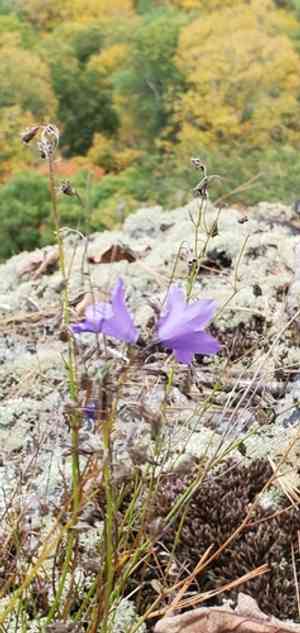
Campanula intercedens (Campanula intercedens)
Also known as: Bellflower, Clustered Bellflower
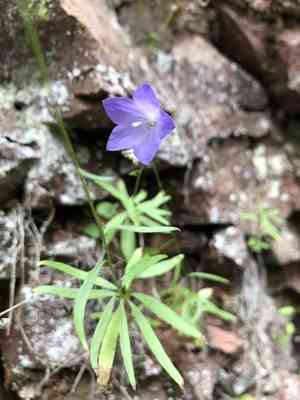
Campanula intercedens is characterized by its striking bell-shaped flowers, which range in color from vivid blue to purple, hanging elegantly from erect stems. The plant features a basal rosette of foliage and narrow, lanceolate leaves, adapted to thrive in well-drained, rocky soils typically found in alpine environments. These morphological traits, including moisture-conserving leaves and a structure suited to cooler climates, enable Campanula intercedens to flourish in its rugged yet delicate natural habitat.
In This Article
Attributes of Campanula intercedens
Lifespan
Perennial
Plant Type
Herb
Plant Height
10-30 cm
Spread
15-25 cm
Leaf Color
Green
Flower Size
2-3 cm
Flower Color
Blue or Violet
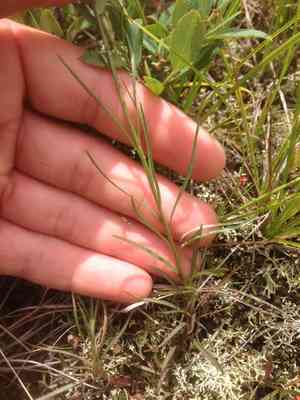
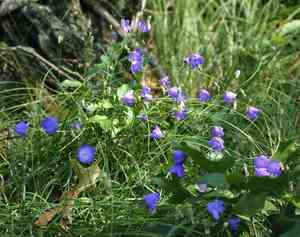
Images of Campanula intercedens

Quickly Identify Campanula intercedens
1
Identifiable by its clustered, bell-shaped flowers that are often blue to violet in color. The plant has slender, erect stems and lanceolate leaves.
Scientific Classification of Campanula intercedens
Phylum
Vascular plants
Class
Dicotyledons
Order
Asterales
Family
Bellflower
Genus
Bellflowers
Species
Campanula intercedens
Planting and Growing of Campanula intercedens
Care Difficulty
Moderate
Watering Schedule
Every 3 days
Sunlight Requirements
Partial sun
Sunshine Duration
4-8 hours
Ideal Temperature
60-75℉
Soil Type
Potting Mix, Peat Mix
Soil pH
6.5-7.5
Fertilizer Type
Balanced
Pruning Season
Spring, Summer
Pruning Area
Branches, Leaves
Pruning Frequency
2 times a year
Repotting Season
Spring
Pot Type
Plastic, Ceramic
 How to Water Campanula intercedens?
The recommended watering amount for Campanula intercedens is about 250 milliliters per session. The principle is to ensure the soil is evenly moist but not waterlogged. It's crucial to let the top inch of soil dry out between waterings, as this species prefers moderate moisture levels.
What are the symptoms of an underwatered Campanula intercedens?
›
What should I do if my Campanula intercedens is not getting enough water?
›
What are the symptoms of an overwatered Campanula intercedens?
›
How to save an overwatered Campanula intercedens?
›
 What Are the Sunlight Requirements for Campanula intercedens?
Partial sun or dappled shade is ideal for Campanula intercedens. This range provides enough light for photosynthesis while protecting it from potential sun damage, enhancing the plant's growth and flowering capabilities.
How much sunlight does Campanula intercedens prefer?
›
What adjustments can be made to achieve ideal lighting?
›
What benefits does ideal sunlight provide?
›
 What Is the Ideal Temperature Range for Campanula intercedens?
The ideal temperature range for growing Campanula intercedens is between 60°F and 75°F. This temperature range ensures optimal growth and blooming. It provides a comfortable environment that mimics the plant's natural habitat, allowing it to thrive without the stress of temperatures that are too hot or too cold.
 What Soil is Best for Campanula intercedens?
Campanula intercedens thrives best in well-drained soil, which prevents water from accumulating around the roots. This characteristic is crucial for avoiding root rot and ensuring the plant's vigorous growth. An abundance of organic matter in the soil supports optimal growth by providing essential nutrients. This encourages lush foliage and robust flowering, making the plant flourish beautifully. While the soil should drain well, it should also retain enough moisture to sustain the plant during dry periods. This balance supports continuous and healthy growth.
 How to Fertilize Campanula intercedens?
For Campanula intercedens, it's crucial to maintain balanced soil nutrients without overloading. Use about 1/2 strength of liquid fertilizer twice a month during the growing season, and approximately one tablespoon of slow-release granules per application thrice a year.
 How to Prune Campanula intercedens?
Start by identifying any dead, damaged, or diseased stems. These should be removed first as they can hamper the plant's growth and overall health. Cut them back to the base or to a healthy bud to promote regrowth. After removing the unhealthy parts, focus on shaping the plant. Trim back any overgrown branches to maintain a compact, bushy form. This not only keeps the plant attractive but also encourages better air circulation within the foliage. To encourage more blooms, trim off spent flowers regularly. This process, known as deadheading, redirects the plant’s energy from seed production to new growth, resulting in more prolific flowering over the season.
 How to Propagate Campanula intercedens plant?
1
To prepare for propagation, first select a well-draining potting mixture. A blend of peat moss and perlite or sand is ideal to provide aeration and moisture retention. Fill your seedling trays or pots with the mixture, leaving some space at the top. Water the medium lightly to ensure it's evenly moist but not soggy before planting seeds or cuttings.
2
When propagating Campanula intercedens from seeds, sprinkle the seeds evenly over the surface of the moist potting medium. Gently press the seeds into the soil but do not cover them completely, as they require light for germination. This ensures that as many seeds as possible germinate, taking advantage of available light and moisture.
3
For cutting propagation, select healthy stems from the Campanula intercedens plant. Cut a piece approximately 4-5 inches long below a leaf node. Remove the leaves from the bottom half of the cutting to focus energy on root development. Dip the cut end in rooting hormone powder to promote faster rooting, and place the cutting into the prepared medium.
 How to Repot Campanula intercedens plant?
1
Look for signs such as roots growing out of the drainage holes, soil that dries out too quickly, or stunted growth. These are clear indicators that it's time to repot your Campanula intercedens. Ideally, repot during early spring or early summer when the plant is gearing up for its growth phase.
2
Select a pot that is slightly larger than the current one, with ample drainage holes to prevent root rot. The right pot ensures the roots have space to grow, promotes healthy airflow, and aids in preventing waterlogged soil, allowing the plant to thrive in its new environment.
3
Opt for a well-draining potting mix, preferably one with added perlite or sand to enhance aeration. This type of soil ensures that excess water can escape easily, reducing the risk of root rot and providing the ideal environment for your plant's roots to expand and absorb nutrients efficiently.
Learn More About Campanula intercedens Diseases
Anthracnose
Bacterial Leaf Spot
Bacterial Soft Rot
Bacterial Wilt
Black Spot
Chemical Injury
Crown Gall
Cyst Nematode
Damping-off
Downy Mildew
Drought Stress
Fusarium Wilt
Gray Mold
Leaf Curl
Leaf Spot
Mosaic
Nutrient Deficiency
Nutrient Toxicity
Powdery Mildew
Root Rot
Root-knot Nematode
Rusts
Sooty Mold
Spider Mites
Temperature Stress
Thrips Damage
White Mold



