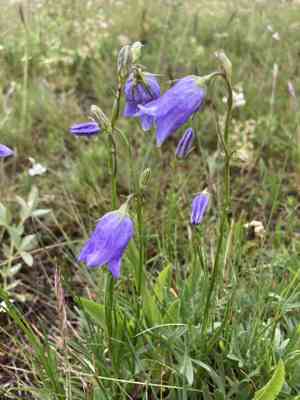
Campanula alaskana (Campanula alaskana)
Also known as: Alaska Bellflower
Campanula alaskana is a flowering plant species in the Campanulaceae family, native to northwestern North America, including the Aleutian Islands, Alaska, Yukon, British Columbia, and Washington state. Asa Gray initially described it in 1886 as a variety of Campanula rotundifolia, namely Campanula rotundifolia var. alaskana. It was later recognized as a distinct species by William Wright in 1918.
In This Article
Attributes of Campanula alaskana
Lifespan
Perennial
Plant Type
Herb
Plant Height
30-60 cm
Spread
20-40 cm
Leaf Color
Green
Flower Size
2-3 cm
Flower Color
Blue, Violet
Images of Campanula alaskana
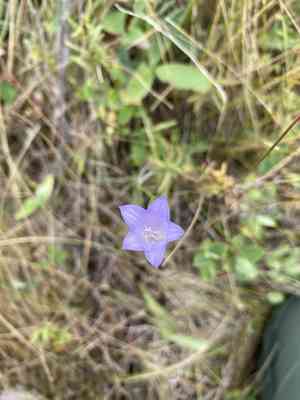
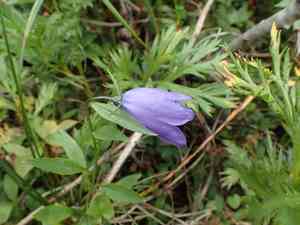
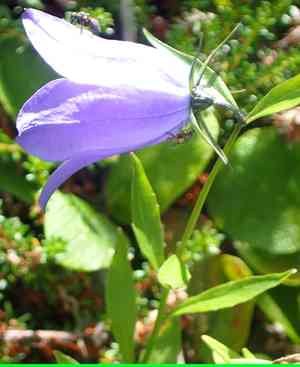
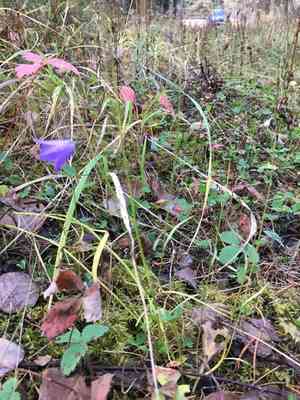
Quickly Identify Campanula alaskana
1
The plant can be identified by its bell-shaped, blue to violet flowers that typically bloom in the summer. Leaves are typically lanceolate and finely toothed, and it grows in well-drained soil often found in alpine and subalpine environments.
Scientific Classification of Campanula alaskana
Phylum
Vascular plants
Class
Dicotyledons
Order
Asterales
Family
Bellflower
Genus
Bellflowers
Species
Campanula alaskana
Planting and Growing of Campanula alaskana
Care Difficulty
Moderate
Watering Schedule
Every 4 days
Sunlight Requirements
Partial sun
Sunshine Duration
6-12 hours
Ideal Temperature
60-70℉
Soil Type
Potting Mix, Peat Mix
Soil pH
6.5-7.5
Fertilizer Type
Balanced
Pruning Season
Spring, Summer
Pruning Area
Branches, Leaves
Pruning Frequency
2 times a year
Repotting Season
Spring
Pot Type
Plastic, Terracotta
 How to Water Campanula alaskana?
For Campanula alaskana, it’s essential to water thoroughly but not excessively, keeping the soil evenly moist. Watering should be enough to saturate the soil to about 200 milliliters each time, ensuring roots can absorb the necessary moisture without drowning.
What are the symptoms of an underwatered Campanula alaskana?
›
What should I do if my Campanula alaskana is not getting enough water?
›
What are the symptoms of an overwatered Campanula alaskana?
›
How to save an overwatered Campanula alaskana?
›
 What Are the Sunlight Requirements for Campanula alaskana?
Campanula alaskana thrives in partial sunlight, ideally basking in 3 to 6 hours of indirect sunlight daily. This balance promotes healthy growth and vibrant flowering without the risk of leaf scorch or dehydration.
What is the ideal light condition?
›
How to achieve the ideal light condition?
›
What are the benefits of ideal lighting conditions?
›
 What Is the Ideal Temperature Range for Campanula alaskana?
The ideal temperature range for growing Campanula alaskana is between 60°F and 70°F. This range provides optimal conditions for growth, helping the plant to thrive and produce vibrant flowers.
 What Soil is Best for Campanula alaskana?
Campanula alaskana thrives in soil that allows for excellent drainage. Good drainage prevents water from stagnating, which helps avoid root rot and other related diseases, ensuring healthy plant growth. This plant prefers soil that is rich in organic matter, which provides essential nutrients for its growth. Nutrient-rich soil supports robust blooming and enhances the overall plant vigor. While drainage is important, retaining some moisture is crucial for Campanula alaskana. This balance ensures the plant remains hydrated, supporting healthy foliage and flower development.
 How to Fertilize Campanula alaskana?
For Campanula alaskana, it's crucial to use a balanced 10-10-10 fertilizer. When using liquid fertilizer, mix it at half the recommended strength to avoid burning the roots. For slow-release fertilizers, sprinkle about a tablespoon around the base of the plant, ensuring the granules don't directly touch the stems.
 How to Prune Campanula alaskana?
Begin by identifying any dead or damaged stems and branches. Remove these by cutting them back to the nearest healthy bud or base. This process helps direct the plant's energy toward new growth. Trim back any spent or fading flowers to the next healthy set of leaves. This encourages Campanula alaskana to produce new blooms, extending its flowering season significantly and maintaining a neat appearance. Cut back any stems that disrupt the plant's overall shape and symmetry. Focus on maintaining a rounded, bushy form, which not only enhances ornamental appeal but also supports better airflow through the plant, reducing mildew risks.
 How to Propagate Campanula alaskana plant?
1
Start by sowing the seeds in a seed tray filled with a seed-starting mix. Ensure the seeds are not buried too deep; a light dusting of soil should suffice.
2
Select healthy stems and use sharp pruning shears to cut a section about 4-6 inches long. Remove leaves from the lower half before planting in soil.
3
For division propagation, carefully dig around the plant, lift it out, and split the root clump into smaller sections. Ensure each section has healthy roots before replanting.
 How to Repot Campanula alaskana plant?
1
Repot Campanula alaskana when its roots start to show through the drainage holes or when the plant appears top-heavy and growth is stunted. Spring and early summer provide optimal conditions as the plant awakens and actively grows, enabling it to adjust to new soil conditions more effectively.
2
Select a pot that is one size larger than the current pot to provide extra space for root growth without overwhelming the plant. Ensure the pot has drainage holes to prevent water accumulation, which can cause root rot, and offer stability to support vertical growth.
3
Opt for a lightweight, well-draining potting mix enriched with organic matter to retain moisture without waterlogging. This helps prevent root rot by allowing excess water to escape while providing nutrients that support healthy growth and vibrant blooms.



