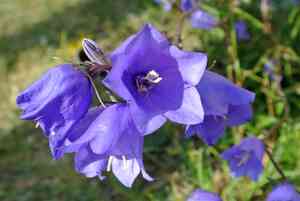
Bellflowers (Campanula) (Campanula)
Also known as: Bellflower, Bluebell
Bellflowers, scientifically known as Campanula, are a diverse group of flowering plants characterized by their distinctive bell-shaped blooms. They primarily display shades of blue, purple, white, and pink. Here are some notable features and advantages of adding bellflowers to your garden:
1. **Diverse Varieties**: With numerous species available, bellflowers can suit different garden aesthetics and requirements.
2. **Extended Bloom Time**: Many varieties offer a prolonged blooming period from late spring through early fall, adding persistent color to your garden.
3. **Pollinator Friendly**: These flowers attract beneficial insects like bees and butterflies, aiding in the pollination of other plants.
4. **Easy Care**: Bellflowers are generally low-maintenance, making them an excellent choice for both novice and experienced gardeners.
5. **Versatile Planting Options**: They thrive in various settings, including borders, rockeries, and containers.
6. **Hardiness**: Many bellflower species are resilient, thriving in various climates and soil types.
7. **Wildlife Resistant**: They are typically resistant to deer and rabbits, reducing the risk of pest damage.
By incorporating bellflowers into your garden, you can enjoy their vibrant blooms and the ecological benefits they bring, all with relatively little effort.
Attributes of Bellflowers (Campanula)
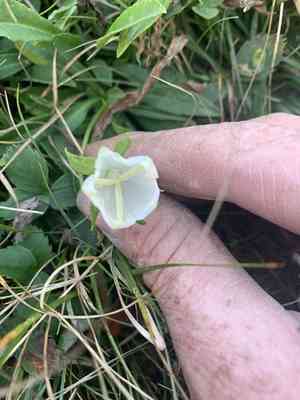
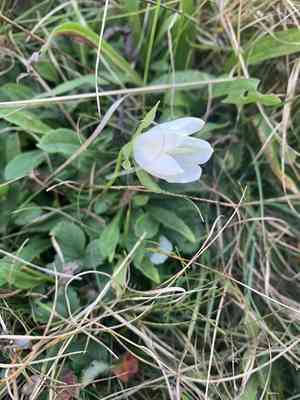
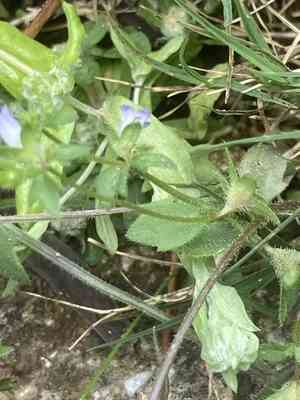
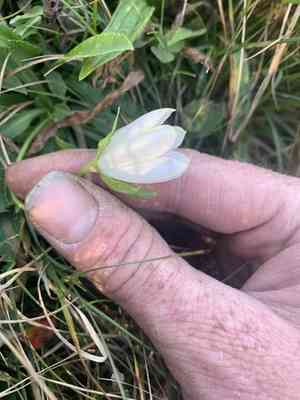
Images of Bellflowers (Campanula)
 How to Water Bellflowers (Campanula)?
  What Are the Sunlight Requirements for Bellflowers (Campanula)?
  What Is the Ideal Temperature Range for Bellflowers (Campanula)?
  What Soil is Best for Bellflowers (Campanula)?
  How to Fertilize Bellflowers (Campanula)?
  How to Prune Bellflowers (Campanula)?
  How to Propagate Bellflowers (Campanula) plant?
 How to Repot Bellflowers (Campanula) plant?

