
Tea (Camellia sinensis)
Also known as: Tea Plant, Tea Tree, Assam Tea, Black Tea, White Tea, Chai, Teaplant, Matcha, Tea Leaf
The leaves of Camellia sinensis are utilized to produce various types of tea, including green, black, and oolong tea. This evergreen shrub, which features small, fragrant white flowers that bloom in the fall, thrives in full sun with well-drained, slightly acidic, sandy soil. Tea leaves can begin to be harvested after the plant reaches three years of age.
In This Article
Attributes of Tea
Lifespan
Perennial
Plant Type
Shrub
Plant Height
1.2 m to 1.8 m
Spread
1.2 m to 1.8 m
Leaf Color
Green
Flower Size
2.5 cm to 8 cm
Flower Color
White
Images of Tea
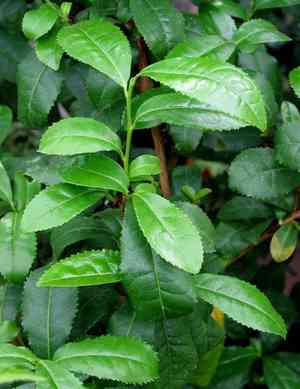
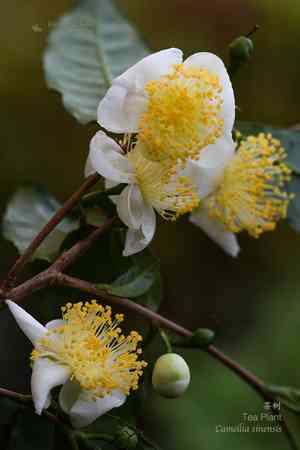
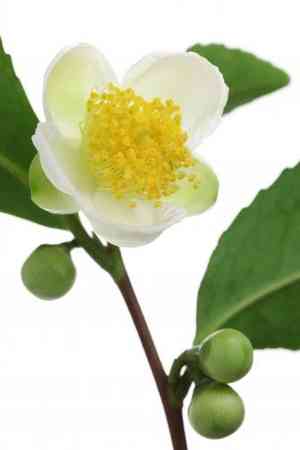
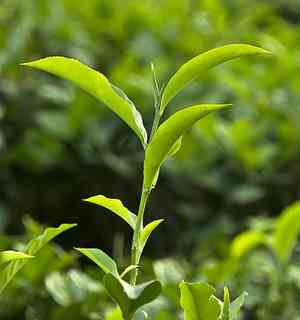
Quickly Identify Tea
1
Dark green leaves with serrated margins vary between 2-5 inches (5-12.7 cm).
2
Fragrant white or pink-tinged flowers with 7-8 petals bloom in fall to winter.
3
3-lobed dark brown fruit cracks to reveal 3 substantial seeds after 12 months.
4
Evergreen shrub/tree can reach 15-20 feet (4.5-6 meters) with glossy leaves.
5
Hardy to Zone 6, tea produces vibrant green capsules that ripen to dark brown.
Scientific Classification of Tea
Phylum
Vascular plants
Class
Dicotyledons
Order
Heathers and allies
Family
Tea
Genus
Camellias
Species
Tea
Planting and Growing of Tea
Care Difficulty
Moderate
Watering Schedule
Every 4 days
Sunlight Requirements
Partial sun
Sunshine Duration
6-10 hours
Ideal Temperature
60-70℉
Soil Type
Potting Mix, Peat Mix
Soil pH
5-6.5
Fertilizer Type
Balanced
Pruning Season
Spring, Summer
Pruning Area
Branches, Leaves
Pruning Frequency
2 times a year
Repotting Season
Spring
Pot Type
Plastic, Ceramic
 How to Water Tea?
Camellia sinensis prefers consistently moist soil but not waterlogged conditions. Watering should soak the root zone without leaving standing water. The amount can vary based on soil type and climate, but typically around 500 ml per session is sufficient to keep the plant happy and healthy.
What are the symptoms of an underwatered Tea?
›
What should I do if my Tea is not getting enough water?
›
What are the symptoms of an overwatered Tea?
›
How to save an overwatered Tea?
›
 What Are the Sunlight Requirements for Tea?
Camellia sinensis grows best with partial sun exposure, which ideally translates to 4-6 hours of filtered or indirect sunlight daily. This moderate light level promotes healthy growth without causing stress.
More About Sunlight Requirements Techniques→
How much sunlight does Camellia sinensis need?
›
What are the best solutions for obtaining ideal light conditions for Camellia sinensis?
›
What are the benefits of providing ideal lighting to Camellia sinensis?
›
 What Is the Ideal Temperature Range for Tea?
The ideal temperature range for growing Camellia sinensis is between 60°F and 70°F. Within this range, the plant can thrive and produce the best quality leaves. Temperatures in this range promote optimal photosynthesis and overall growth. Maintaining this range helps avoid stress that could lead to diseases or reduced productivity.
 What Soil is Best for Tea?
Camellia sinensis thrives in nutrient-rich soil that provides essential elements like nitrogen, potassium, and phosphorus. These nutrients promote healthy growth, lush foliage, and abundant flowering. Ensuring your soil is rich in organic matter can significantly benefit the plant’s vitality. Well-drained soil is crucial to prevent waterlogging, which can lead to root rot. Camellia sinensis prefers conditions where excess water rapidly percolates away, ensuring roots remain aerated and healthy. This improves nutrient uptake and photosynthesis efficiency. While drainage is essential, the soil should retain enough moisture to sustain the plant in between watering. Balanced moisture is key to support the tea plant’s growth and flavor profile in leaves, making it superior for tea production.
 How to Fertilize Tea?
For Camellia sinensis, a balanced fertilizer with equal nitrogen, phosphorus, and potassium (NPK 10-10-10) is recommended. Depending on the plant size, 1 to 2 teaspoons per gallon of water can be used if liquid, while for granular fertilizers, around 1 cup per mature plant is ideal. Adjust the amount slightly based on specific plant needs and soil conditions.
 How to Prune Tea?
Begin by identifying and removing dead or diseased branches. Cut these back to the base to redirect the plant's energy to healthy growth. Trim branches to maintain a desirable shape, usually a rounded form for Camellia sinensis. This helps in managing plant size and also encourages a dense growth. Identify densely packed regions and thin them out. This improves air flow and light penetration, reducing the risk of fungal infections and encouraging leaf production.
More About Pruning Techniques→
 How to Propagate Tea plant?
1
Collect seeds from mature Camellia sinensis plants in late autumn. Ensure seeds are fully matured and have a dark color. Perform a viability test by placing the seeds in water; viable seeds will sink.
2
Select healthy branches for cuttings in late spring. Cut 4-5 inch sections from the growing tip, ensuring there are at least two sets of leaves. Remove any flowers or buds to direct energy towards root development.
3
Dig around the base of the Camellia sinensis to expose the roots. Carefully separate the root clump into smaller sections with at least one new shoot or bud per section, and replant immediately to prevent drying out.
 How to Repot Tea plant?
1
Camellia sinensis should be repotted when you notice roots protruding from the drainage holes or if the plant seems to be growing slower than usual. If the leaves start to yellow or the plant becomes root-bound, it's a strong indication it's time for a bigger pot. These signs are usually more noticeable at the beginning of the growing season, which is the ideal time to repot.
2
Choose a pot that is about 2 inches larger in diameter than the current one for Camellia sinensis. Ensure it has good drainage holes to prevent waterlogging. The larger space allows roots to spread comfortably, promoting better growth and health. Avoid overly large pots as they can retain excess moisture, leading to root rot.
3
Select well-draining, acidic soil rich in organic material for repotting Camellia sinensis. This type of soil mimics its natural environment, ensuring adequate nutrient availability and optimal root oxygenation. Acidic compounds maintain the desired pH level, enhancing nutrient uptake efficiency and fostering robust plant growth.
Learn More About Tea Diseases
Anthracnose
Bacterial Leaf Spot
Bacterial Soft Rot
Bacterial Wilt
Chemical Injury
Crown Gall
Cyst Nematode
Damping-off
Downy Mildew
Drought Stress
Fusarium Wilt
Gray Mold
Leaf Spot
Mosaic
Nutrient Deficiency
Nutrient Toxicity
Powdery Mildew
Root Rot
Root-knot Nematode
Rusts
Sooty Mold
Spider Mites
Temperature Stress
Thrips Damage
White Mold



