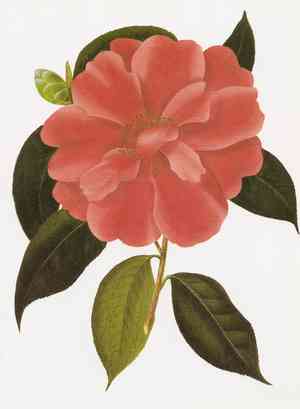
Camellias (Camellia) (Camellia)
Also known as: Tea Plant, Tea Flower
Certainly! Here's a revised version:
Camellias are a diverse group of flowering plants with significant commercial and cultural value. For instance, the Tea plant (Camellia sinensis) is renowned for its leaves, which are essential for producing various types of tea. Additionally, some camellias serve culinary purposes, such as Camellia oleifera, which is known for its seeds that yield tea seed oil. Many camellia species are also prized for their ornamental value, boasting large and attractive flowers that enhance garden aesthetics.
In This Article
Attributes of Camellias (Camellia)
Lifespan
Perennial
Plant Height
4.5 m
Spread
2.5 m
Leaf Color
Dark green
Flower Size
5 to 15 cm
Flower Color
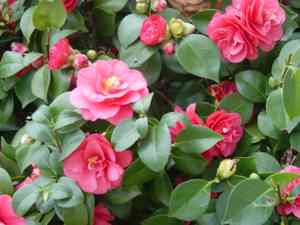
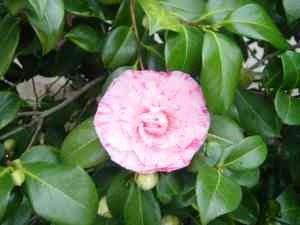
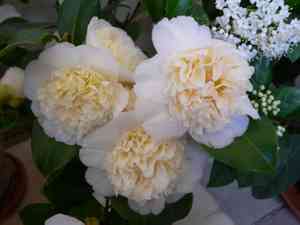
White, pink, red, yellow
Images of Camellias (Camellia)
Quickly Identify Camellias (Camellia)
1
To identify Camellia, look for its glossy, leathery leaves and large, conspicuous flowers, which can range in color from white to pink and red. The flower structure features numerous stamens, and the leaves are usually arranged alternately.
Scientific Classification of Camellias (Camellia)
Phylum
Magnoliophyta
Class
Magnoliopsida
Order
Ericales
Family
Theaceae
Genus
Camellia
Planting and Growing of Camellias (Camellia)
Care Difficulty
Moderate
Watering Schedule
Every 2 days
Sunlight Requirements
Partial sun
Sunshine Duration
6-10 hours
Ideal Temperature
60-70℉
Soil Type
Potting Mix, Peat Mix
Soil pH
6-6.5
Fertilizer Type
Balanced
Pruning Season
Spring, Summer
Pruning Area
Branches, Leaves
Pruning Frequency
2 times a year
Repotting Season
Spring
Pot Type
Plastic, Ceramic
 How to Water Camellias (Camellia)?
Camellias require a balance when it comes to watering. The soil should be kept consistently moist but not waterlogged. Each watering session should ensure about 500 ml of water reaches the roots, sufficient for the root system to draw nutrients without causing root rot. This approach helps support the plant’s growth and blooms without overwhelming it.
What are the symptoms of an underwatered Camellias (Camellia)?
›
What should I do if my Camellias (Camellia) is not getting enough water?
›
What are the symptoms of an overwatered Camellias (Camellia)?
›
How to save an overwatered Camellias (Camellia)?
›
 What Are the Sunlight Requirements for Camellias (Camellia)?
Partial sun to full shade is ideal for Camellias, ensuring enough energy for growth and bloom without risking sunburn. These conditions promote vibrant blooms and robust health.
Optimal Sun Exposure
›
Protection from Intense Light
›
Benefits of Ideal Light
›
 What Is the Ideal Temperature Range for Camellias (Camellia)?
The ideal temperature range for camellias is between 60°F and 70°F. This range allows the plant to thrive, promoting healthy growth and development. Within this temperature range, camellias can maintain optimal photosynthesis and nutrient uptake, providing the best conditions for blooming and overall vitality.
 What Soil is Best for Camellias (Camellia)?
Camellias thrive in soils with an acidic pH because it helps them absorb essential nutrients like iron and magnesium more efficiently. This results in healthier growth and vibrant blooms. These plants require well-draining soil to prevent waterlogged roots, which can lead to root rot. Proper drainage ensures the roots are well-aerated and healthy. Enrichment with organic matter such as peat promotes nutrient richness and moisture retention. This soil composition supports robust growth and prolonged flowering periods.
 How to Fertilize Camellias (Camellia)?
When it comes to fertilizing Camellia plants, it's important to provide a balanced approach. Use a fertilizer specifically designed for acid-loving plants, typically containing a 12-4-8 NPK ratio. For liquid fertilizers, apply at a rate of one tablespoon per gallon of water. For slow-release granular fertilizers, scatter them evenly around the plant base, using approximately one cup for every 10 square feet of plant area.
 How to Prune Camellias (Camellia)?
Begin with sharp and clean pruning shears to prevent damage and disease transmission. Bypass pruners are ideal for Camellias as they make cleaner cuts. Focus on dead, diseased, or crossing branches. Removing these will open up the plant, allowing better air circulation and sunlight penetration. Make your cuts at a 45-degree angle above a healthy bud or side branch. This promotes new growth in the desired direction and prevents water pooling on the cut surface.
 How to Propagate Camellias (Camellia) plant?
1
Collect seeds from mature Camellia plants when the seed pods have turned brown and started to crack open. Harvest on a dry day to avoid moisture affecting seed viability.
2
Select semi-hardwood cuttings approximately 4 to 6 inches long with at least two sets of leaves. Cut below a node to maximize rooting potential, and remove the lower set of leaves.
3
For layering, select a low-growing branch, notch it, and pin it to the soil, covering with mulch to maintain moisture until roots develop.
 How to Repot Camellias (Camellia) plant?
1
Camellias signal the need for repotting through root-bound signs, reduced flowering, and slower growth. Spring and early autumn are ideal, as the plant is not in full bloom, minimizing stress. When roots spiral densely around the pot, it's a clear indication.
2
Choose a pot that is just a size larger than the current one, with adequate drainage holes. Camellias thrive in slightly roomy conditions, but excessive space can hold too much moisture, leading to root rot. A pot that matches its rootball ensures optimal watering.
3
Opt for acidic soil (pH 5.5-6.5) with good drainage, enriched with organic matter like peat moss. This type of soil supports healthy growth and vibrant flowering, mimicking the plant’s natural habitat conditions. Avoid heavy or alkaline soil to prevent stress.

