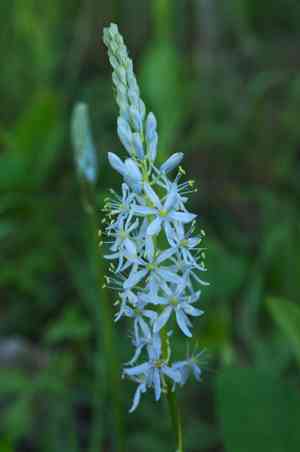
Atlantic camas (Camassia scilloides)
Also known as: Wild hyacinth, Eastern Camas Lily
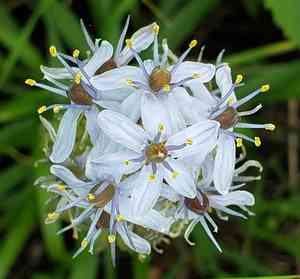
Atlantic camas, also known as wild hyacinth, belongs to the lily family and features star-shaped, bluish-purple flowers. The edible bulbs can be tricky to identify and may be easily mistaken for the toxic bulbs of Zigadenus elegans, also known as death camas. These toxic counterparts typically have white flowers and can pose a significant risk if misidentified. Always ensure accurate identification through reliable sources and practice sustainable foraging to avoid ecological disruption and potential legal issues.
In This Article
Attributes of Atlantic camas
Lifespan
Perennial
Plant Type
Herb
Plant Height
30 cm to 91 cm
Spread
30 cm to 60 cm
Leaf Color
Green
Flower Size
2.5 cm
Flower Color
White Blue Green Purple Lavender
Images of Atlantic camas
Quickly Identify Atlantic camas
1
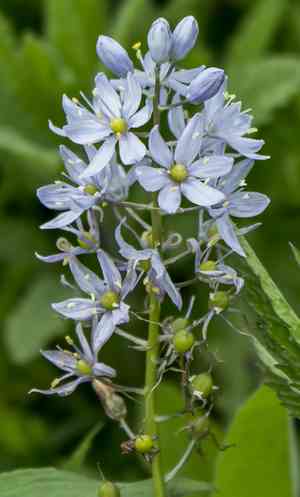
Pale blue, pink, or white flowers with bright yellow stamens and star-shaped petals.
2
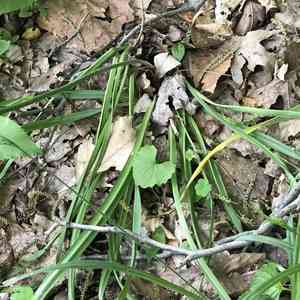
Linear, grass-like leaves in a basal rosette, 5-15 inches (12.7-38 cm) long.
3
Slender stem, 2-3 feet (60-90 cm) tall, unbranched, light to medium green.
4
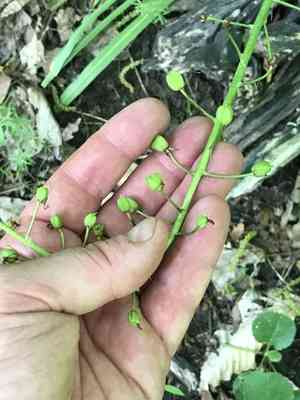
Compact seed capsules, 1/3 inch (0.85 cm), with three chambers and black lustrous seeds.
5
Flowers bloom in April and May on a 2-foot (60 cm) high flowering stalk.
Scientific Classification of Atlantic camas
Phylum
Vascular plants
Class
Monocotyledons
Order
Asparagales
Family
Asparagus
Genus
Camas
Species
Atlantic camas
Planting and Growing of Atlantic camas
Care Difficulty
Easy
Watering Schedule
Every 2 days
Sunlight Requirements
Partial sun
Sunshine Duration
6-10 hours
Ideal Temperature
60-75℉
Soil Type
Potting Mix, Peat Mix
Soil pH
6.5-7.5
Fertilizer Type
Balanced
Pruning Season
Spring, Summer
Pruning Area
Branches, Leaves
Pruning Frequency
2 times a year
Repotting Season
Spring
Pot Type
Plastic, Ceramic
 How to Water Atlantic camas?
Camassia scilloides prefers to be watered thoroughly but infrequently. Water deeply so that the water reaches the roots, ensuring the soil is moist but not waterlogged.
What are the symptoms of an underwatered Atlantic camas?
›
What should I do if my Atlantic camas is not getting enough water?
›
What are the symptoms of an overwatered Atlantic camas?
›
How to save an overwatered Atlantic camas?
›
 What Are the Sunlight Requirements for Atlantic camas?
Camassia scilloides flourishes best in partial sun to full sun, ideally receiving 6 to 8 hours of filtered sunlight. This range supports robust growth and blossoming, encouraging a healthy life cycle and vivid floral displays.
More About Sunlight Requirements Techniques→
What are the optimal sunlight hours for Camassia scilloides?
›
How can Camassia scilloides achieve its ideal sunlight exposure?
›
What are the benefits that Camassia scilloides gains from ideal sunlight exposure?
›
 What Is the Ideal Temperature Range for Atlantic camas?
Camassia scilloides thrives in temperatures ranging from 60°F to 75°F, providing an optimal environment for growth and development. Maintaining this temperature ensures the best conditions for photosynthesis and nutrient uptake, enhancing the plant's overall health and flowering potential.
 What Soil is Best for Atlantic camas?
Camassia scilloides thrives in well-drained soils which help prevent waterlogging. Well-drained soils enable robust root development, ensuring the plant's overall health and vibrancy. This plant prefers soils with moderate moisture. Consistent moisture without saturation is key to supporting its growth cycle, especially during the flowering phase. The addition of organic matter such as compost enriches the soil, enhancing nutrient availability which supports robust blooms and lush foliage.
 How to Fertilize Atlantic camas?
For Camassia scilloides, it is important to use fertilizers sparingly as they are native plants accustomed to nutrient-poor soils. A general-purpose fertilizer at a dilution of half the recommended strength should suffice. When using liquid fertilizers, aim for approximately one tablespoon per gallon of water.
 How to Prune Atlantic camas?
For Camassia scilloides, it’s best to commence pruning right after the flowering period ends. Carefully snip off the spent flowers to redirect energy towards root and bulb development, ensuring robust blooms in the next season. Inspect the plant for any dead, yellowing, or damaged leaves and carefully remove them. This process enhances the plant's aesthetic appeal and prevents pests and diseases from exploiting weakened foliage. To encourage bushier growth, occasionally thin out crowded sections and shape the plant. Focus on opening up the center for better sunlight penetration and airflow, which are vital for the plant’s overall vigor and flower production.
More About Pruning Techniques→
 How to Propagate Atlantic camas plant?
1
Collect seeds in late summer and store them in a cool and dry place. Before planting in early spring, soak seeds in lukewarm water for 24 hours to break dormancy and enhance germination.
2
Use well-drained soil in seed trays. It should be rich in organic matter to provide essential nutrients for young seedlings. Ensure that the trays have drainage holes to prevent waterlogging.
3
Plant seeds or bulb divisions in designated areas, maintaining appropriate spacing. After planting, water gently to avoid disturbing the soil or washing away seeds, maintaining consistent moisture.
 How to Repot Atlantic camas plant?
1
Camassia scilloides typically needs repotting when its roots start growing out of drainage holes or the soil seems compacted. A clear sign is if water takes longer to seep through after watering. Repotting is best done in Spring or Autumn, ensuring the plant has ample time to adjust to its new pot before it starts its active growth.
2
Select a pot that is 2-3 inches larger in diameter than the current one and ensures proper drainage. A breathable material like terracotta provides an advantage as it allows excess moisture to evaporate, preventing root rot. This choice ensures the roots have space to grow and drainage prevents waterlogging.
3
Selecting a well-drained sandy loam soil mimics the plant's natural habitat, ensuring optimal growth. It should be loose and crumbly, allowing for good aeration and drainage. Such soil helps prevent soggy roots, reducing the risk of fungal infections.



