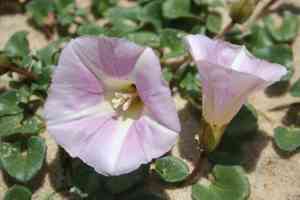
Bindweeds (Calystegia) (Calystegia)
Also known as: False bindweeds
Morning glory, from the genus *Ipomoea*, is a climbing plant known for its long, slender vines. It is popular for its striking, trumpet-shaped flowers and is often grown for decorative purposes. However, certain species can be invasive, spreading rapidly and sometimes becoming a nuisance by self-seeding outside cultivated areas.
In This Article
Attributes of Bindweeds (Calystegia)
Lifespan
Perennial
Plant Height
0.5 to 3 meters
Spread
Variable, expansive
Leaf Color
Green
Flower Size
3 to 6 centimeters
Flower Color
White, Pink
Images of Bindweeds (Calystegia)
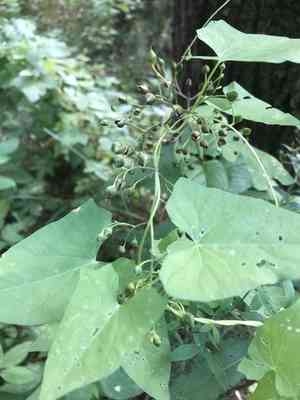
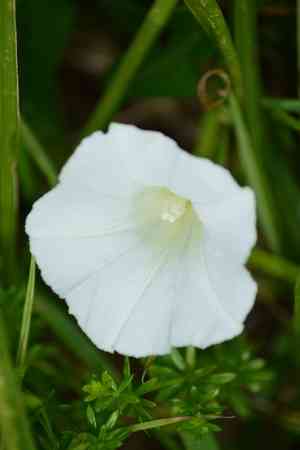
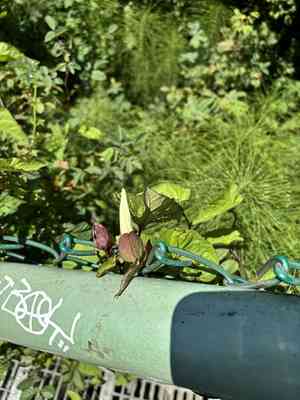
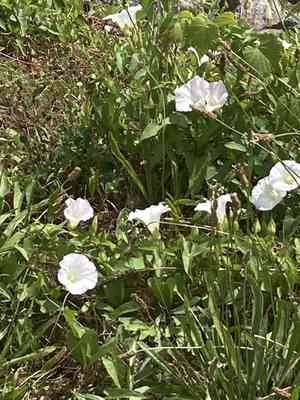
Quickly Identify Bindweeds (Calystegia)
1
Calystegia can be identified by its twining habit and heart-shaped leaves. The flowers are funnel-shaped, usually white or pink, and they typically bloom in the morning. The plant’s extensive root system and rapid growth are also key identifiers.
Scientific Classification of Bindweeds (Calystegia)
Phylum
Magnoliophyta
Class
Magnoliopsida
Order
Solanales
Family
Convolvulaceae
Genus
Calystegia
Planting and Growing of Bindweeds (Calystegia)
Care Difficulty
Moderate
Watering Schedule
Every 4 days
Sunlight Requirements
Full sun
Sunshine Duration
6-10 hours
Ideal Temperature
60-77℉
Soil Type
Potting Mix, Peat Mix
Soil pH
6.5-7.5
Fertilizer Type
Balanced
Pruning Season
Spring, Summer
Pruning Area
Branches, Leaves
Pruning Frequency
2 times a year
Repotting Season
Spring
Pot Type
Plastic, Ceramic
 How to Water Bindweeds (Calystegia)?
When watering Calystegia, aim to keep the soil consistently moist but not waterlogged. The plant appreciates about 250 ml of water at each watering session to ensure that the roots have enough moisture, reaching a depth of around 2-3 inches in the soil. This amount prevents the roots from drying out while avoiding excess water that could lead to root rot.
What are the symptoms of an underwatered Bindweeds (Calystegia)?
›
What should I do if my Bindweeds (Calystegia) is not getting enough water?
›
What are the symptoms of an overwatered Bindweeds (Calystegia)?
›
How to save an overwatered Bindweeds (Calystegia)?
›
 What Are the Sunlight Requirements for Bindweeds (Calystegia)?
Calystegia's ideal light range includes full to partial sun, ensuring the plant receives adequate energy for photosynthesis. Proper lighting promotes healthy, vigorous growth and abundant flowering, enhancing both its beauty and overall health.
What is the ideal lighting for Calystegia?
›
How to achieve ideal lighting conditions for Calystegia?
›
Benefits of providing optimal light for Calystegia?
›
 What Is the Ideal Temperature Range for Bindweeds (Calystegia)?
The ideal temperature range for Calystegia growth is between 60°F and 77°F. This range supports healthy photosynthesis and growth. Within this range, the plant will thrive, exhibit lush foliage, and produce vibrant blooms. It is crucial to maintain consistent temperatures to avoid stress and ensure optimal health.
 What Soil is Best for Bindweeds (Calystegia)?
Calystegia prefers well-drained soil that retains some moisture. This balance is crucial because too much water can lead to root rot, but insufficient moisture may cause wilting. A loamy soil retains enough moisture while allowing excess water to drain away, thus preventing waterlogging. Fertile soils with a good nutrient profile support the vigorous growth of Calystegia. Enriched soils ensure that the plant receives adequate nutrients to produce lush foliage and vibrant blooms. Regular mulching can help maintain soil fertility and structure beneficial for these perennial climbers. Loamy and sandy loam soils provide excellent aeration, allowing roots to breathe and facilitating nutrient uptake. This aeration improves root health and function, encouraging prolific growth and flowering. Aerated soil also supports beneficial microbial activity that enhances soil health.
 How to Fertilize Bindweeds (Calystegia)?
For Calystegia, it's crucial to use a balanced fertilizer to avoid nutrient imbalance. Typically, a 10-10-10 NPK ratio is suitable. When applying liquid fertilizer, dilute it to half strength to prevent overfeeding. With slow-release fertilizers, follow the package instructions but aim for around one tablespoon per square foot.
 How to Prune Bindweeds (Calystegia)?
Before you begin, ensure that your pruning tools are sharp and disinfected to prevent the spread of diseases. Wear gloves to protect your hands from potential thorns and irritants. Identifying the parts of the plant that need pruning is essential for effective maintenance. Start by removing any dead or damaged stems at their base to encourage healthy growth. Thin out congested areas to promote better air circulation and sunlight penetration. Trim back the plant to control its size and shape, but avoid cutting more than a third of the plant at once to prevent stress.
 How to Propagate Bindweeds (Calystegia) plant?
1
Fill seed trays with a suitable potting mix and sow seeds on the surface. Cover with a thin layer of soil, water lightly, and place in a warm, sunny location. Keep the soil moist at all times until germination occurs.
2
Select healthy stems from the parent plant and cut them using pruning shears. Each cutting should be around 10 cm long with several nodes. Dip the cut end in rooting hormone to aid in root development.
3
Carefully dig up a mature plant during early spring and divide it into multiple smaller sections using a sharp spade. Each section should have roots and shoots for successful replanting. Replant divisions promptly to avoid drying out.
 How to Repot Bindweeds (Calystegia) plant?
1
Calystegia should be repotted when you notice that roots are growing out of the drainage holes or the plant is becoming root-bound, as these are clear indications it needs more space. Additionally, slow growth or reduced blooming can also signal the need for a new pot. Spring and autumn are the optimal times for repotting, as it allows the plant to establish in the cooler seasons, avoiding the heat stress of summer and the growth dormancy of winter.
2
Select a pot that is at least 2-3 inches larger in diameter than the current one to accommodate root growth. Ensure the pot has adequate drainage holes to prevent waterlogging, which can lead to root rot. Choosing a terracotta pot can be beneficial, as it allows for better air exchange and moisture evaporation, helping to maintain an ideal moisture level for the plant.
3
A well-draining potting mix prevents water from stagnating at the roots, which is crucial to prevent root rot. Incorporate perlite or sand into the mix to enhance drainage. A nutrient-rich mix supports healthy growth and encourages blooming, providing the plant with essential nutrients it needs to thrive.
Toxicity
Ingestion, Dermal contact
WARNING
The judgment on toxicity and danger is for reference only. We DO NOT GUARANTEE any accuracy of such judgment. Therefore, you SHALL NOT rely on such judgment. It is IMPORTANT TO SEEK PROFESSIONAL ADVICE in advance when necessary.
Learn More About Bindweeds (Calystegia) Diseases
Anthracnose
Bacterial Leaf Spot
Bacterial Wilt
Chemical Injury
Crown Gall
Cyst Nematode
Damping-off
Downy Mildew
Drought Stress
Fusarium Wilt
Gray Mold
Leaf Curl
Leaf Spot
Mosaic
Nutrient Deficiency
Nutrient Toxicity
Powdery Mildew
Root Rot
Root-knot Nematode
Rusts
Sooty Mold
Spider Mites
Temperature Stress
Thrips Damage
White Mold

