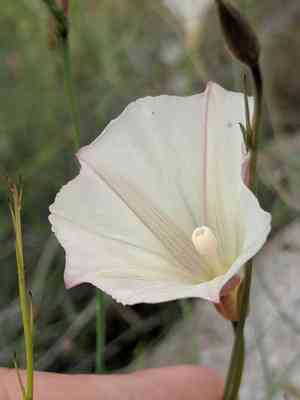
Paiute false bindweed (Calystegia longipes)
Also known as: Long-Stemmed Bindweed
Paiute false bindweed (Calystegia atriplicifolia) is a perennial vine that excels in various environments due to several adaptive characteristics. Its deep root system allows it to tap into water and nutrients from deeper soil layers, making it highly drought-tolerant. The plant's climbing and sprawling nature helps it compete effectively for sunlight by growing over other vegetation. Additionally, the resilient seeds of Paiute false bindweed can remain dormant yet viable for long periods, ensuring successful germination even after unfavorable conditions. These attributes collectively enable the plant to flourish in a wide range of habitats.
In This Article
Attributes of Paiute false bindweed
Lifespan
Perennial
Plant Type
Vine, Herb
Plant Height
30-150 cm
Spread
Variable; as a vine, it spreads more horizontally than vertically
Leaf Color
Green
Flower Size
2-7 cm
Flower Color
White to pale pink
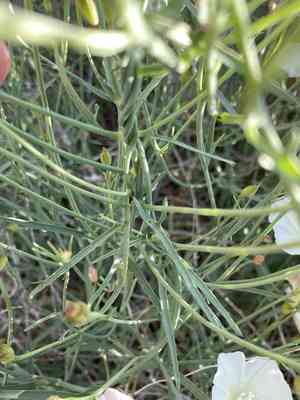
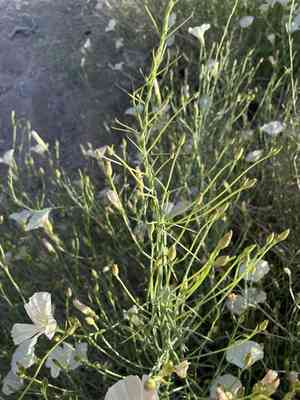
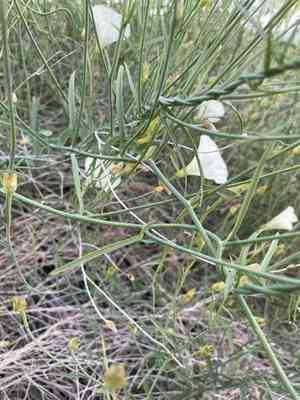
Images of Paiute false bindweed
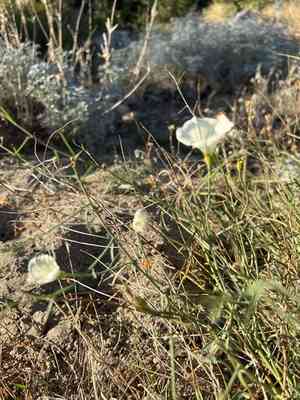
Quickly Identify Paiute false bindweed
1
Look for a twining vine with heart-shaped leaves and large, funnel-shaped flowers, typically white or pink. The plant often grows in disturbed areas or open spaces, climbing over other vegetation.
Scientific Classification of Paiute false bindweed
Phylum
Vascular plants
Class
Dicotyledons
Order
Solanales
Family
Morning-glory
Genus
Bindweeds
Species
Paiute false bindweed
Planting and Growing of Paiute false bindweed
Care Difficulty
Easy
Watering Schedule
Every 3 days
Sunlight Requirements
Full sun
Sunshine Duration
6-10 hours
Ideal Temperature
65-75℉
Soil Type
Potting Mix, Peat Mix
Soil pH
6.5-7.5
Fertilizer Type
Balanced
Pruning Season
Spring, Summer
Pruning Area
Branches, Leaves
Pruning Frequency
2 times a year
Repotting Season
Spring
Pot Type
Plastic, Terracotta
 How to Water Paiute false bindweed?
When watering Calystegia longipes, aim to thoroughly moisten the soil to a depth of about two inches, ensuring that it never stays soggy or overly dry. This amount allows for even moisture distribution without waterlogging the roots.
What are the symptoms of an underwatered Paiute false bindweed?
›
What should I do if my Paiute false bindweed is not getting enough water?
›
What are the symptoms of an overwatered Paiute false bindweed?
›
How to save an overwatered Paiute false bindweed?
›
 What Are the Sunlight Requirements for Paiute false bindweed?
Calystegia longipes prefers full sun to partial sun conditions. Ideal lighting encourages robust growth, optimal flowering, and strong, healthy foliage.
What is the preferred amount of light for Calystegia longipes?
›
How can you achieve ideal lighting for Calystegia longipes?
›
What benefits do ideal lighting conditions offer to Calystegia longipes?
›
 What Is the Ideal Temperature Range for Paiute false bindweed?
For Calystegia longipes to thrive, maintaining an ambient temperature between 65°F and 75°F is optimal. This range allows for robust growth and blooming, ensuring the plant receives the right amount of warmth for metabolic functions.
 What Soil is Best for Paiute false bindweed?
Calystegia longipes thrives in well-draining soils. Good drainage prevents root rot and allows roots to access oxygen more efficiently, promoting vigorous growth and overall plant health. Nutrient-rich soil is essential for the healthy growth of Calystegia longipes. It provides the necessary elements the plant needs for robust foliage and flowering, ensuring lush and vibrant appearance. A light soil texture helps this plant expand its root system easily. It leads to better nutrient uptake and stronger plant support, maximizing its lignification potential.
 How to Fertilize Paiute false bindweed?
Calystegia longipes requires careful measurement when it comes to fertilization. For liquid fertilizer, use a balanced 10-10-10 NPK formula diluted to half strength. Apply about 250 milliliters per plant. Slow-release granules should be scattered thinly over the soil surface, approximately one tablespoon per square foot.
 How to Prune Paiute false bindweed?
Begin by removing any dead or diseased stems. Next, cut back overgrown shoots to maintain the desired size and shape of the plant. Ensure that you make your cuts just above a leaf node or bud to encourage new growth. Regularly step back to assess the shape and ensure evenness. The best time to prune Calystegia longipes is in spring after the last frost has passed and in summer to shape the plant. Doing so helps in managing the plant's growth more effectively and promotes healthier and more vigorous blooms.
More About Pruning Techniques→
 How to Propagate Paiute false bindweed plant?
1
Use a well-draining soil mix, combining peat moss and perlite in equal parts. This will provide a balanced environment for root development and prevent waterlogging.
2
Select healthy stems from the parent plant and cut them at a 45-degree angle just below a node. Each cutting should be around 4-6 inches long to ensure they have enough material to root.
3
Insert the cuttings into the soil with at least two nodes buried. If planting seeds, sow them lightly and cover with a thin layer of soil. Water gently to settle the soil.
 How to Repot Paiute false bindweed plant?
1
Calystegia longipes shows it's time for repotting when growth seems stunted, roots emerge from drainage holes, or soil dries out too quickly. These signs indicate that the plant's roots need more space to thrive.
2
Select a pot that is 1-2 inches larger in diameter than the current one. Ensure it has drainage holes to prevent waterlogging. A slightly larger pot encourages healthy root growth without risking excessive moisture retention.
3
Opt for a loamy, well-draining soil mix. This combination ensures ample aeration and nutrient retention, supporting robust growth while preventing root rot through adequate drainage.
Learn More About Paiute false bindweed Diseases
Anthracnose
Bacterial Leaf Spot
Bacterial Wilt
Chemical Injury
Crown Gall
Cyst Nematode
Damping-off
Downy Mildew
Drought Stress
Fusarium Wilt
Gray Mold
Leaf Curl
Leaf Spot
Mosaic
Nutrient Deficiency
Nutrient Toxicity
Powdery Mildew
Root Rot
Root-knot Nematode
Rusts
Sooty Mold
Spider Mites
Temperature Stress
Thrips Damage
White Mold



