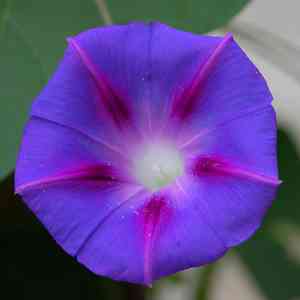
Nightblooming false bindweed (Calystegia atriplicifolia)
Also known as: Silver Bindweed, Atriplice-Leaved Bindweed
The Beach Morning Glory (Ipomoea pes-caprae) is a resilient perennial vine that flourishes in sandy soils and coastal regions. It spreads or climbs using its twining stems, showcasing large, heart-shaped leaves. The plant is distinguished by its vibrant, trumpet-shaped flowers, typically in shades of pink to white, which attract numerous pollinators. The foliage often blends with its dune surroundings, offering a degree of natural camouflage.
In This Article
Attributes of Nightblooming false bindweed
Lifespan
Perennial
Plant Height
20 cm to 46 cm
Spread
N/A
Leaf Color
Ash-gray
Flower Size
4 - 5 cm
Flower Color
White or pale pink
Images of Nightblooming false bindweed
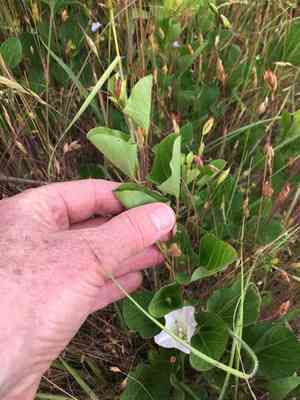
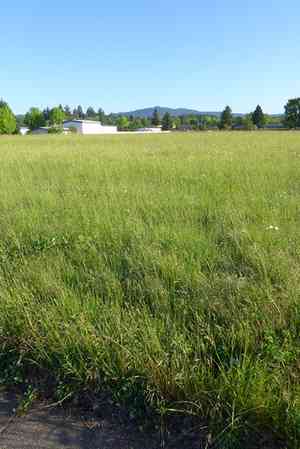
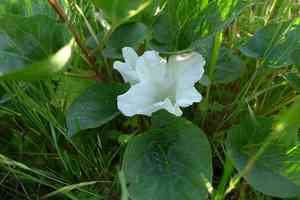
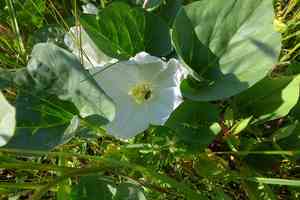
Quickly Identify Nightblooming false bindweed
1
To identify Calystegia atriplicifolia, look for its white or pale pink funnel-shaped flowers and triangular, ash-gray leaves with a wrinkled texture. The plant is a climber and typically entangles itself around fences or other supports.
Scientific Classification of Nightblooming false bindweed
Phylum
Vascular plants
Class
Dicotyledons
Order
Solanales
Family
Morning-glory
Genus
Bindweeds
Species
Nightblooming false bindweed
Planting and Growing of Nightblooming false bindweed
Care Difficulty
Moderate
Watering Schedule
Every 4 days
Sunlight Requirements
Partial sun
Sunshine Duration
4-8 hours
Ideal Temperature
60-75℉
Soil Type
Potting Mix, Peat Mix
Soil pH
6.5-7.5
Fertilizer Type
Balanced
Pruning Season
Spring, Summer
Pruning Area
Branches, Leaves
Pruning Frequency
2 times a year
Repotting Season
Spring
Pot Type
Plastic, Ceramic
 How to Water Nightblooming false bindweed?
Calystegia atriplicifolia thrives best when you water it thoroughly but infrequently. Each time, provide around 500 ml of water, ensuring the topsoil is moist but never waterlogged. The principle here is to mimic its natural environment where the plant experiences sporadic but generous rainfall; allow the soil surface to dry out between waterings, preventing root rot.
What are the symptoms of an underwatered Nightblooming false bindweed?
›
What should I do if my Nightblooming false bindweed is not getting enough water?
›
What are the symptoms of an overwatered Nightblooming false bindweed?
›
How to save an overwatered Nightblooming false bindweed?
›
 What Are the Sunlight Requirements for Nightblooming false bindweed?
Partial sun conditions, such as morning sunlight with afternoon shade, benefit this plant by promoting vibrant and balanced growth, preventing stress and supporting vigorous flowering.
What is the best light condition for Calystegia atriplicifolia?
›
How to ensure Calystegia atriplicifolia gets ideal lighting?
›
What benefits does ideal lighting provide?
›
 What Is the Ideal Temperature Range for Nightblooming false bindweed?
For optimal growth, Calystegia atriplicifolia thrives best within temperatures ranging from 60°F to 75°F. This range provides an environment that supports robust growth and flowering. Temperatures within this range allow critical biological processes like photosynthesis and respiration to occur effectively, which are crucial for maintaining plant vigor.
 What Soil is Best for Nightblooming false bindweed?
Calystegia atriplicifolia thrives in well-draining soil that prevents waterlogging. This is vital as it helps avoid root rot, ensuring healthy root systems and vigorous growth. This plant favors loamy soil enriched with organic matter. The nutrients available in such soil fertilize the plant, promoting lush foliage and abundant flowering. The soil should retain moderate moisture to keep the plant hydrated without being overly wet. This balance helps sustain the plant in dry spells without causing excess dampness.
 How to Fertilize Nightblooming false bindweed?
Calystegia atriplicifolia thrives when provided with moderate fertilization. Ideally, a balanced liquid fertilizer with an N-P-K ratio of 10-10-10 should be diluted to half the recommended strength for use. Over-fertilizing can cause more harm than under-fertilizing, so adhere to the recommended guidelines carefully.
 How to Prune Nightblooming false bindweed?
Start by identifying dead, damaged, or crossing branches. These should be removed first to allow the plant to focus its energy on healthy growth. Make your cuts at a 45-degree angle above a bud to encourage outward growth. Trim the tips of the stems lightly to stimulate new growth and more blooms. This technique, known as deadheading, helps in prolonging the flowering season by directing energy towards producing flowers rather than seeds.
More About Pruning Techniques→
 How to Propagate Nightblooming false bindweed plant?
1
Begin by soaking the seeds in warm water for 24 hours to soften the seed coat. This process aids in faster germination by allowing the seed to absorb moisture more effectively.
2
Select healthy stems and cut sections of at least 5-10 cm long with a sharp, sterilized tool. Remove the lower leaves to allow better soil contact and reduce moisture loss.
3
In early spring or early summer, gently dig up the plant and separate the root ball into smaller sections. Ensure that each section has a good amount of roots attached for a successful division.
 How to Repot Nightblooming false bindweed plant?
1
Observe when Calystegia atriplicifolia appears root-bound, with roots emerging from the drainage holes or circling the pot. Repot when growth slows or soil drains poorly, usually every couple of years.
2
Select a pot that is 2-3 inches larger in diameter than the current one to provide extra space for growth. Opt for clay or plastic pots with ample drainage holes to prevent waterlogging and promote healthy root development.
3
Choose a well-draining loamy mix enriched with organic matter, which retains adequate moisture while allowing excess water to escape. Such soil prevents root rot and offers nutrients crucial for optimal plant growth.
Learn More About Nightblooming false bindweed Diseases
Anthracnose
Bacterial Leaf Spot
Bacterial Wilt
Crown Gall
Cyst Nematode
Damping-off
Downy Mildew
Drought Stress
Fusarium Wilt
Gray Mold
Leaf Curl
Leaf Spot
Mosaic
Nutrient Deficiency
Nutrient Toxicity
Powdery Mildew
Root Rot
Root-knot Nematode
Rusts
Sooty Mold
Spider Mites
Temperature Stress
Thrips Damage
White Mold
Chemical Injury



