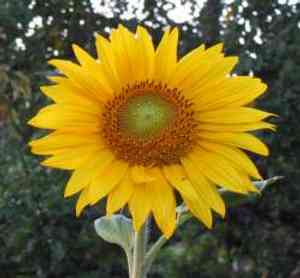
Straggler daisy (Calyptocarpus vialis)
Also known as: Lawnflower, Prostrate lawnflower
Creeping Jenny (Lysimachia nummularia) is a low-growing ground cover that thrives in shaded areas and can endure moderate foot traffic. This plant features bright yellow flowers and blooms from spring through fall. In regions without frost, it may even flower year-round, providing a vibrant, sunny yellow display.
In This Article
Attributes of Straggler daisy
Lifespan
Perennial, Annual, Biennial
Plant Type
Herb
Plant Height
15 cm to 30 cm
Spread
15 cm to 30 cm
Leaf Color
Green
Flower Size
4 mm to 8 mm
Flower Color
Yellow
Images of Straggler daisy
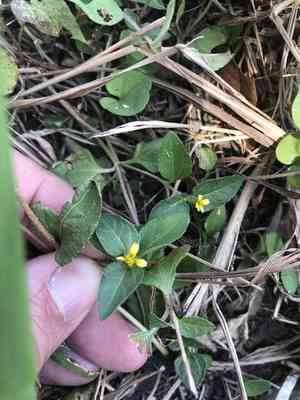
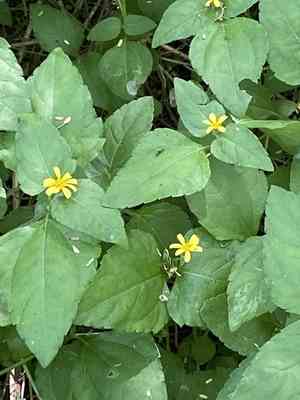
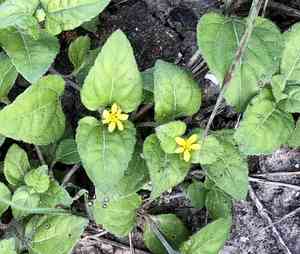
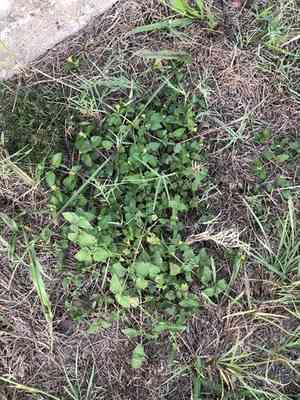
Quickly Identify Straggler daisy
1
Small, ovate to deltoid leaves with serrated edges, up to 3 inches (7.5 cm) long.
2
Yellow, daisy-like flowers with tubular florets, 0.2 inches (5 mm) in diameter.
3
Dry achene fruit with a bristled crown for wind dispersal after flowering.
4
Slender green stem with fine red stripes, covered in stiff hairs, up to 0.12 inches (3 mm) thick.
Scientific Classification of Straggler daisy
Phylum
Vascular plants
Class
Dicotyledons
Order
Asterales
Family
Daisy
Genus
Calyptocarpus
Species
Straggler daisy
Planting and Growing of Straggler daisy
Care Difficulty
Easy
Watering Schedule
Every 4 days
Sunlight Requirements
Full sun
Sunshine Duration
6-10 hours
Ideal Temperature
68-86℉
Soil Type
Potting Mix, Peat Mix
Soil pH
6.5-7.5
Fertilizer Type
Balanced
Pruning Season
Spring, Summer
Pruning Area
Branches, Leaves
Pruning Frequency
2 times a year
Repotting Season
Spring
Pot Type
Plastic, Ceramic
 How to Water Straggler daisy?
Calyptocarpus vialis generally requires a moderate amount of water. Ensure the soil is kept moist but not soggy. Water approximately 200 ml per session to allow the moisture to reach the roots effectively, maintaining a balance where the soil is damp yet allowing excess water to drain away.
What are the symptoms of an underwatered Straggler daisy?
›
What should I do if my Straggler daisy is not getting enough water?
›
What are the symptoms of an overwatered Straggler daisy?
›
How to save an overwatered Straggler daisy?
›
 What Are the Sunlight Requirements for Straggler daisy?
This plant thrives in full or partial sunlight, which encourages lush, robust growth and maximizes blooming potential when conditions are ideal.
Optimal sun exposure
›
Shade in the afternoon
›
Filtered sunlight solutions
›
 What Is the Ideal Temperature Range for Straggler daisy?
Calyptocarpus vialis thrives best when maintained in warm environments. The optimal temperature for its growth should be between 68°F and 86°F. This range provides ideal conditions for photosynthesis, nutrient uptake, and overall growth. Keeping the plant within this range ensures that it has enough warmth without the stress of excessive heat, promoting vibrant and healthy development.
 What Soil is Best for Straggler daisy?
Calyptocarpus vialis thrives in well-drained soils where water does not accumulate. This prevents root rot and allows the plant to access nutrients effectively, promoting healthy growth. A nutrient-rich loamy or sandy soil provides the essential minerals and organic matter, fostering vigorous growth and bright green foliage in Calyptocarpus vialis. While this plant prefers well-drained conditions, soil that can retain enough moisture without being waterlogged supports its thriving, especially during drier periods.
 How to Fertilize Straggler daisy?
For Calyptocarpus vialis, a moderate amount of fertilizer is recommended. Use liquid fertilizer mixed to half its strength, about 10-15 ml per liter of water, to prevent overfeeding, since this plant is not a heavy feeder.
 How to Prune Straggler daisy?
Begin by inspecting your Calyptocarpus vialis for any diseased, damaged, or dead leaves and stems. Using sanitized pruning shears, make clean cuts at the base of these affected areas to promote healthy regrowth. Trim back any wayward or overly lengthy stems to maintain the plant's shape and encourage denser growth. Focus on thinning rather than shearing, which helps improve air circulation around the plant and reduces the risk of fungal infections. Aim to cut back up to one-third of the plant's volume, which is generally sufficient to maintain its health without causing undue shock.
 How to Propagate Straggler daisy plant?
1
Collect mature seeds and soak them in water for 24 hours to break dormancy. This enhances the chances of germination by mimicking natural conditions.
2
Fill the seed tray with seed-starting mix and evenly distribute seeds on top, covering them lightly with soil. Moistening the soil helps in promoting seed germination.
3
Select healthy stems and cut 6-inch segments using sterile scissors. Dip in rooting hormone to encourage root growth before planting in a well-draining mix.
 How to Repot Straggler daisy plant?
1
Calyptocarpus vialis shows signs of needing repotting when its roots begin to grow through the drainage holes or if the plant becomes root-bound. Additionally, if growth appears stunted or the soil compacts easily, it's a signal it’s time to repot. The best seasons for this task are spring and summer, as the plant is in its active growing phase, which facilitates easier recovery.
2
Select a pot that is one size larger than the current one and ensure it has sufficient drainage holes. A pot that's too large can retain excess moisture, causing root rot, while a pot that's too small will restrict root growth. The material can vary, but terracotta is excellent as it allows the soil to breathe and prevents overwatering issues.
3
A well-draining potting mix is essential for Calyptocarpus vialis. This type of soil prevents water from accumulating around the roots, reducing the risk of fungal problems and root rot. Mixing organic matter like compost can enhance nutrient availability and promote healthy growth.
Learn More About Straggler daisy Diseases
Anthracnose
Bacterial Leaf Spot
Bacterial Soft Rot
Bacterial Wilt
Chemical Injury
Crown Gall
Cyst Nematode
Damping-off
Downy Mildew
Drought Stress
Fusarium Wilt
Gray Mold
Leaf Spot
Mosaic
Nutrient Deficiency
Nutrient Toxicity
Powdery Mildew
Root Rot
Root-knot Nematode
Rusts
Sooty Mold
Spider Mites
Temperature Stress
Thrips Damage
White Mold



