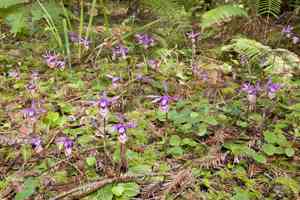
Calypso orchid (Calypso bulbosa)
Also known as: Western Fairy Slipper, Calypso, Fairyslipper Orchid, Venus's slipper
The calypso orchid (Calypso bulbosa) gets its name from the Greek word "Calypso," which means "she who conceals." This is an apt name since the orchid thrives hidden beneath the shade of tall pines and other forest trees. Interestingly, the plant deceives bees by mimicking nectar-producing structures, although it actually produces no nectar, tricking the bees into thinking they will find food.
In This Article
Attributes of Calypso orchid
Lifespan
Perennial
Plant Type
Herb
Plant Height
10 cm to 14 cm
Spread
10 cm
Leaf Color
Green
Flower Size
3 cm to 4 cm
Flower Color
White Purple Yellow Red
Images of Calypso orchid
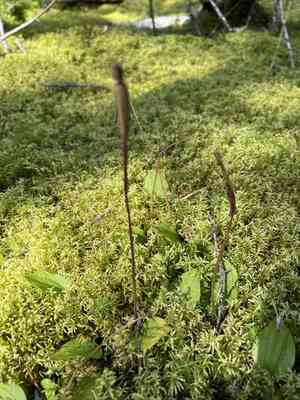
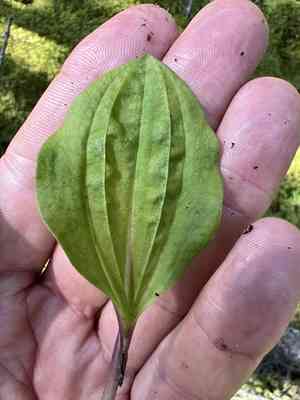
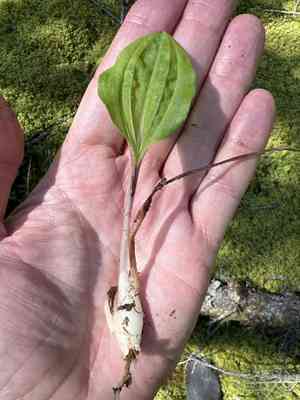
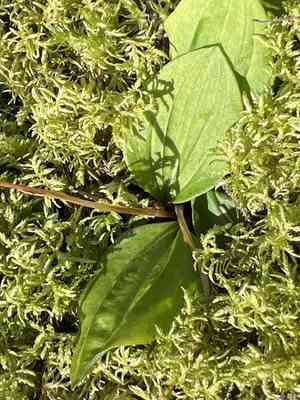
Quickly Identify Calypso orchid
1
Look for its singular flower on a leafless stalk, which is about 10-25cm tall. The flower is pink to purplish, with a bulb-like base and a slipper-shaped lip marked with white, yellow, and various shades of purple.
Scientific Classification of Calypso orchid
Phylum
Vascular plants
Class
Monocotyledons
Order
Asparagales
Family
Orchid
Genus
Fairy slipper
Species
Calypso orchid
Planting and Growing of Calypso orchid
Care Difficulty
Hard
Watering Schedule
Every 2 days
Sunlight Requirements
Full shade
Sunshine Duration
4-8 hours
Ideal Temperature
55-70℉
Soil Type
Potting Mix, Peat Mix
Soil pH
4.5-6.5
Fertilizer Type
Balanced
Pruning Season
Spring, Summer
Pruning Area
Branches, Leaves
Pruning Frequency
2 times a year
Repotting Season
Spring
Pot Type
Plastic, Ceramic
 How to Water Calypso orchid?
Calypso bulbosa thrives in moisture-rich environments. Watering should be enough to moisten the root system but avoid waterlogging. Approximately 100ml per session ensures the soil remains slightly damp without being overly soaked.
What are the symptoms of an underwatered Calypso orchid?
›
What should I do if my Calypso orchid is not getting enough water?
›
What are the symptoms of an overwatered Calypso orchid?
›
How to save an overwatered Calypso orchid?
›
 What Are the Sunlight Requirements for Calypso orchid?
Partial shade is ideal for Calypso bulbosa. This condition allows the plant to thrive akin to its natural habitat, promoting robust growth and vibrant blooms.
More About Sunlight Requirements Techniques→
What is the ideal light for Calypso bulbosa?
›
How to obtain ideal light conditions for Calypso bulbosa?
›
What are the benefits of ideal lighting for Calypso bulbosa?
›
 What Is the Ideal Temperature Range for Calypso orchid?
Calypso bulbosa thrives best between 55°F and 70°F. This range supports optimal growth and flowering conditions. The temperature ensures adequate warmth without the risk of overheating or chilling, facilitating healthy development of flowers and foliage.
 What Soil is Best for Calypso orchid?
Calypso bulbosa thrives in soil that retains moisture well without becoming waterlogged. Proper moisture levels help maintain the plant's delicate root system, ensuring healthy growth and vibrant blooms. The soil must be well-aerated to facilitate gas exchange for Calypso bulbosa roots. This quality promotes root health by preventing rot and disease, enabling better nutrient uptake for the plant. A nutrient-rich soil base supports the nutritional needs of Calypso bulbosa, leading to robust plant development. Essential nutrients like nitrogen, phosphorus, and potassium are crucial for flower production and overall vitality.
 How to Fertilize Calypso orchid?
Calypso bulbosa, known for its delicate roots, requires minimal fertilization. When applying liquid fertilizer, a diluted quarter-strength solution is sufficient to avoid overwhelming the roots. For slow-release fertilizers, a light sprinkle ensuring it doesn't touch the plant directly is recommended.
 How to Prune Calypso orchid?
Carefully examine your Calypso bulbosa and identify any dead or yellowing leaves and wilted flowers. Focus mainly on the removal of these areas to encourage healthy growth. This process not only improves the plant's appearance but also aids in disease prevention. When pruning, make clean cuts close to the base of dead stems and leaves. Ensure your cuts are clean and straight to promote quicker healing. Be cautious not to cut the healthy green parts unless necessary to avoid unnecessary stress on the plant. After pruning, water your Calypso bulbosa thoroughly and consider applying a gentle, balanced fertilizer. This helps to support recovery and encourages robust growth. Ensure the plant is situated in a suitable environment to minimize stress during the post-pruning phase.
More About Pruning Techniques→
 How to Propagate Calypso orchid plant?
1
Gather seeds from mature Calypso bulbosa plants during late spring. Ensure the seeds are ripe, and avoid bruised or underdeveloped ones. Once collected, let them dry in a cool, dry place before sowing.
2
Prepare seed trays with a well-draining medium. Sow the seeds on the surface of the substrate, pressing them gently to ensure good soil contact. Do not cover seeds with soil as they require light exposure to germinate.
3
Place seed trays under indirect sunlight and maintain a temperature of around 15-20°C. Keep the medium consistently moist but not waterlogged. Germination can take several weeks, so patience is key.
 How to Repot Calypso orchid plant?
1
Calypso bulbosa signals it's time for repotting when the plant becomes root-bound, showing roots emerging from the drainage holes, or when the soil appears exhausted and compacted. Optimal repotting occurs in spring or autumn when the plant is less active, allowing it to establish better in its new environment.
2
Select a pot no more than 2 inches larger than the current one with sufficient drainage holes. This ensures proper aeration and prevents root rot, providing an environment conducive to healthy root development. Smaller pots encourage quicker drying of the medium, aligning with the water-sensitive nature of Calypso bulbosa.
3
Opt for a well-draining orchid mix that replicates the forest floor conditions. This should include bark, perlite, and some sphagnum moss which together maintain moisture while allowing air circulation crucial for the delicate roots of Calypso bulbosa.
Learn More About Calypso orchid Diseases
Anthracnose
Bacterial Leaf Spot
Bacterial Soft Rot
Bacterial Wilt
Black Spot
Chemical Injury
Crown Gall
Cyst Nematode
Damping-off
Downy Mildew
Drought Stress
Fusarium Wilt
Gray Mold
Leaf Curl
Leaf Spot
Mosaic
Nutrient Deficiency
Nutrient Toxicity
Powdery Mildew
Root Rot
Root-knot Nematode
Rusts
Sooty Mold
Spider Mites
Temperature Stress
Thrips Damage
White Mold



