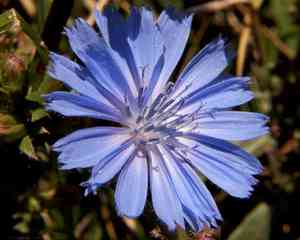
Tackstems (Calycoseris) (Calycoseris)
Also known as: Tackstem, Calico-cactus, Desert chicory
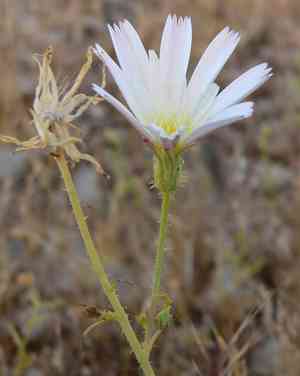
Tackstems is a genus comprising two species of annual wildflowers belonging to the daisy family. These plants are indigenous to the deserts of the southwestern United States and northwestern Mexico. A defining feature of Tackstems is the presence of tack-shaped glandular hairs on their upper stems and bracts.
In This Article
Attributes of Tackstems (Calycoseris)
Lifespan
Perennial
Plant Height
10-30 cm
Spread
Not applicable
Leaf Color
Green
Flower Size
2-3 cm
Flower Color
White, Pale yellow
Images of Tackstems (Calycoseris)
Quickly Identify Tackstems (Calycoseris)
1
Calycoseris can be identified by their thin, wiry stems, small, deeply lobed leaves, and white to pale yellow daisy-like flowers. They typically bloom in early spring and can be found in open sandy or gravelly areas in deserts.
Scientific Classification of Tackstems (Calycoseris)
Phylum
Magnoliophyta
Class
Magnoliopsida
Order
Asterales
Family
Asteraceae
Genus
Calycoseris
Planting and Growing of Tackstems (Calycoseris)
Care Difficulty
Moderate
Watering Schedule
Every 2 days
Sunlight Requirements
Full sun
Sunshine Duration
10-14 hours
Ideal Temperature
65-75℉
Soil Type
Potting Mix, Peat Mix
Soil pH
6.5-7.5
Fertilizer Type
Balanced
Pruning Season
Spring, Summer
Pruning Area
Branches, Leaves
Pruning Frequency
2 times a year
Repotting Season
Spring
Pot Type
Plastic, Ceramic
 How to Water Tackstems (Calycoseris)?
When watering Calycoseris, ensure each session delivers approximately 250 milliliters. The goal is to thoroughly moisten the soil without causing waterlogged conditions. Use this amount as a guide, adjusting slightly for pot dimensions and weather conditions.
What are the symptoms of an underwatered Tackstems (Calycoseris)?
›
What should I do if my Tackstems (Calycoseris) is not getting enough water?
›
What are the symptoms of an overwatered Tackstems (Calycoseris)?
›
How to save an overwatered Tackstems (Calycoseris)?
›
 What Are the Sunlight Requirements for Tackstems (Calycoseris)?
Calycoseris thrives best under full sun conditions. Access to open sunlight enhances flowering, promotes robust growth, and ensures dense, vibrant foliage, mimicking its native habitat.
What is the ideal lighting condition?
›
What solutions exist for achieving ideal lighting?
›
What benefits come from ideal lighting?
›
 What Is the Ideal Temperature Range for Tackstems (Calycoseris)?
Calycoseris thrives best in a temperature range of 65-75°F. This range allows for optimal photosynthesis and growth, enabling the plant to flourish. Consistent exposure to these temperatures ensures vigorous flowering and strengthens the plant's resilience against pests and diseases.
 What Soil is Best for Tackstems (Calycoseris)?
Calycoseris thrives in sandy soils that provide excellent drainage. The porous nature of sandy soil prevents waterlogging, a condition that can be detrimental to this plant's growth. Such soil promotes healthy root development and ensures the plant receives enough oxygen, crucial for its survival. This plant prefers soil with low to moderate nutrient content, reflecting its natural habitat. Over-fertilization can lead to excess foliage at the expense of blooms. Therefore, a light, sparse approach to feeding ensures that growth remains balanced and ecologically sustainable. Calycoseris prefers a well-aerated soil structure that allows roots to breathe and prevents suffocation. Such conditions improve root health and enhance the plant’s overall vitality, leading to vibrant blooms and robust growth throughout its lifecycle.
 How to Fertilize Tackstems (Calycoseris)?
Calycoseris plants thrive with moderate amounts of nutrients. It's recommended to apply liquid fertilizer at half the strength of whatever is indicated for typical houseplants. This helps ensure that the plant gets the needed nutrients without the risk of overfeeding.
 How to Prune Tackstems (Calycoseris)?
Begin by cleaning your pruning shears with alcohol to ensure no diseases are transferred. Identify and remove any dead or damaged stems first. Trim back overgrown branches to maintain the shape and encourage bushiness. Make cuts at a 45-degree angle just above healthy leaf nodes. Gently pinch or snip off faded blooms using your fingertips or a pair of sharp scissors. This process, known as deadheading, will stimulate the plant to produce new flowers, ensuring the plant's continuous floral display throughout its growing season.
 How to Propagate Tackstems (Calycoseris) plant?
1
Fill seedling trays with sterilized potting mix. Ensure the mix is lightly moist but not waterlogged to provide a conducive setting for seed germination.
2
Scatter Calycoseris seeds evenly over the surface of the soil. Lightly press them into the soil but do not cover them entirely as they require light to germinate.
3
Regularly mist the soil to keep it moist but not wet. Monitor the trays daily for moisture levels, ensuring that the seeds do not dry out.
 How to Repot Tackstems (Calycoseris) plant?
1
Calycoseris should be repotted when you notice the roots starting to circle inside the pot or poking out from the drainage holes. This usually happens every two years, indicating that the plant needs more space to grow and thrive. Keep an eye on soil depletion or compaction as these can be signs that repotting is due. Always choose the beginning of spring or autumn to ensure the plant isn't stressed by extreme temperatures during its transition.
2
Select a pot that is one size larger than the current one and has adequate drainage holes. Clay pots are often preferred as they allow better air circulation and help prevent root rot. A well-fitting pot will help the plant to establish quickly, reduce waterlogging risks, and support healthy root development. The new pot should be proportionate to the plant's current size without being too large to avoid excessive moisture retention.
3
Opt for a well-draining sandy mix that is light and airy. This type of soil closely mimics the plant’s natural habitat, allowing for effective drainage and root growth. A good soil mix enhances water management, prevents root rot, and encourages healthy development by providing the essential mineral support for Calycoseris. Avoid dense soils, as they can retain too much water and suffocate the roots.
Learn More About Tackstems (Calycoseris) Diseases
Bacterial Leaf Spot
Bacterial Soft Rot
Bacterial Wilt
Chemical Injury
Crown Gall
Cyst Nematode
Damping-off
Downy Mildew
Drought Stress
Fusarium Wilt
Gray Mold
Leaf Spot
Mosaic
Nutrient Deficiency
Nutrient Toxicity
Powdery Mildew
Root Rot
Root-knot Nematode
Rusts
Sooty Mold
Spider Mites
Temperature Stress
Thrips Damage
White Mold

