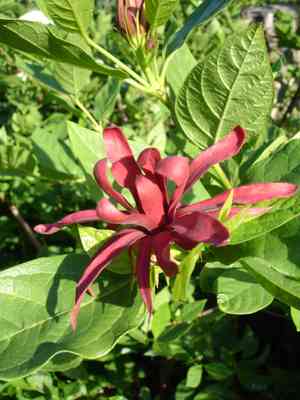
Sweetshrub (Calycanthus) (Calycanthus)
Also known as: allspice, strawberry bush, sweet betsy, sweet booby
Calycanthus, commonly known as sweetshrub, comprises a genus of small deciduous trees or shrubs often grown for their aromatic bark and fragrant, appealing flowers. These plants are popular in temperate regions and come in various hybrids and cultivars. Notably, beetles primarily pollinate these species, drawn to unique structures within the flowers.
In This Article
Attributes of Sweetshrub (Calycanthus)
Lifespan
Perennial
Plant Height
6 to 9 feet
Spread
5 to 8 feet
Leaf Color
Green
Flower Size
2 to 3 inches
Flower Color
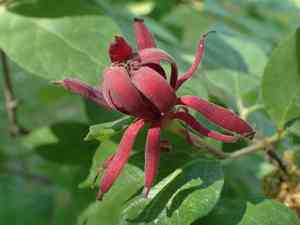
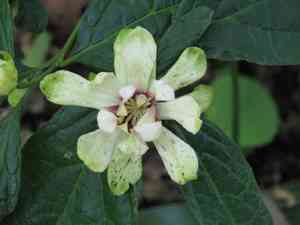
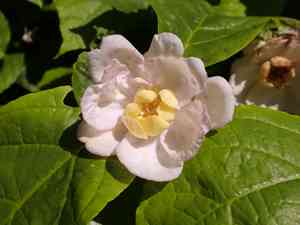
Maroon-brown, occasionally yellow or red
Images of Sweetshrub (Calycanthus)
Quickly Identify Sweetshrub (Calycanthus)
1
Calycanthus can be identified by its showy, spicy-scented flowers with numerous overlapping petals, its aromatic leaves which release a sweet scent when crushed, and its unique, urn-shaped fruit.
Scientific Classification of Sweetshrub (Calycanthus)
Phylum
Magnoliophyta
Class
Magnoliopsida
Order
Laurales
Family
Calycanthaceae
Genus
Calycanthus
Planting and Growing of Sweetshrub (Calycanthus)
Care Difficulty
Easy
Watering Schedule
Every 4 days
Sunlight Requirements
Full sun
Sunshine Duration
4-8 hours
Ideal Temperature
60-75℉
Soil Type
Potting Mix, Peat Mix
Soil pH
6.5-7.5
Fertilizer Type
Balanced
Pruning Season
Spring, Summer
Pruning Area
Branches, Leaves
Pruning Frequency
2 times a year
Repotting Season
Spring
Pot Type
Plastic, Ceramic
 How to Water Sweetshrub (Calycanthus)?
Calycanthus requires about 500 ml of water each time you water it, ensuring the soil is evenly moist but not waterlogged. It's crucial to allow the top inch of soil to dry out between waterings to replicate its natural conditions and prevent root rot.
What are the symptoms of an underwatered Sweetshrub (Calycanthus)?
›
What should I do if my Sweetshrub (Calycanthus) is not getting enough water?
›
What are the symptoms of an overwatered Sweetshrub (Calycanthus)?
›
How to save an overwatered Sweetshrub (Calycanthus)?
›
 What Are the Sunlight Requirements for Sweetshrub (Calycanthus)?
Calycanthus prospers in full or partial sun environments. Ideal light conditions lead to more vibrant, full blooms and healthier foliage, enhancing the plant's ornamental qualities.
How much sunlight is ideal for Calycanthus?
›
What are the solutions to provide ideal light (full or partial sun)?
›
What are the benefits of ideal lighting for Calycanthus?
›
 What Is the Ideal Temperature Range for Sweetshrub (Calycanthus)?
The ideal temperature range for Calycanthus covers 60°F to 75°F. Such temperatures ensure optimal growth and blooming. Within this range, the plant's physiological processes, like photosynthesis and nutrient absorption, operate seamlessly, promoting healthy plant development.
 What Soil is Best for Sweetshrub (Calycanthus)?
Calycanthus thrives in well-draining soil, preventing root rot by allowing excess water to percolate away. This type of soil ensures the plant receives adequate moisture without sitting in waterlogged conditions. Incorporating organic matter enhances soil fertility, providing essential nutrients for Calycanthus to flourish. Organic-rich soils also improve soil structure and water retention, supporting robust plant growth. While Calycanthus prefers moist soil, it's crucial to avoid overly saturated conditions. Balanced soil moisture supports healthy root development and prevents drought stress without contributing to waterlogging.
 How to Fertilize Sweetshrub (Calycanthus)?
Calycanthus thrives with a balanced approach to fertilization. For liquid fertilizers, use about half the recommended strength every two weeks. For slow-release granules, follow the manufacturer's instructions precisely, ensuring not to overdo it. Moderate feeding ensures the plant remains vibrant and healthy.
 How to Prune Sweetshrub (Calycanthus)?
Begin by inspecting the shrub for any dead, damaged, or diseased wood. Use sharp, clean pruning shears to remove these sections, cutting back to healthy wood. Prune to maintain an open, airy structure, removing any crossing branches. This helps in encouraging sunlight penetration and better air circulation within the plant. After flowering, cut some of the oldest stems back to the ground. This stimulates the growth of new, vigorous shoots, which results in a well-shaped and denser plant.
 How to Propagate Sweetshrub (Calycanthus) plant?
1
Collect seeds in autumn when they've matured. Stratify them by placing them in moist sand and storing them in the fridge for about 60 days before planting in early spring.
2
Choose healthy, semi-hardwood cuttings about 4-6 inches long. Make sure to cut just below a node and remove the leaves from the lower half of the cutting.
3
This is typically done in early spring. Carefully dig up the parent plant and separate the root clumps, ensuring each division has at least one shoot and a portion of the root system.
 How to Repot Sweetshrub (Calycanthus) plant?
1
Calycanthus should be repotted when its roots begin to circle the pot, indicating root-bound conditions. Additionally, if water drains too quickly or the growth appears stunted, it's time to consider repotting. Typically, this occurs every 2-3 years.
2
Choose a pot that is 1-2 inches wider in diameter than the current one. Clay pots are ideal as they allow excess moisture to evaporate, preventing overwatering issues. Ensure it has drainage holes to avoid waterlogging which can lead to root rot.
3
Opt for rich, well-draining soil that retains some moisture yet allows excess to drain away. A mix of loamy soil with added organic matter mimics its natural understory habitat, promoting better root health and robust growth.

