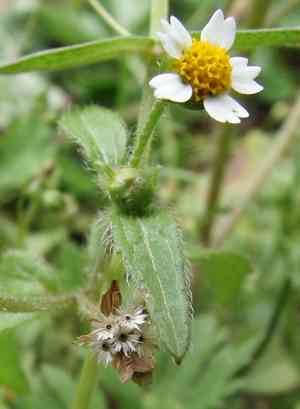
Fremont's western rosinweed (Calycadenia fremontii)
Also known as: Fremont's calycadenia
The plant you're referring to is likely the California aster (Symphyotrichum chilense). This hardy perennial thrives in California's dry grasslands, featuring slender stems and sparse foliage. Its daisy-like flower heads showcase vibrant pink or white ray flowers surrounding yellow disc florets. These blossoms are sun-loving and attract numerous pollinators, contributing significantly to the local ecosystem.
In This Article
Attributes of Fremont's western rosinweed
Lifespan
Annual
Plant Type
Herb
Plant Height
0.1 to 0.5 meters
Spread
N/A for herbaceous plants
Leaf Color
Green
Flower Size
1 to 2 cm
Flower Color
Yellow with red or purple spots
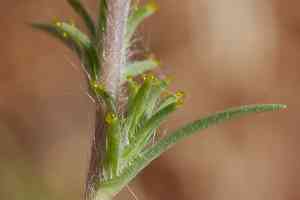
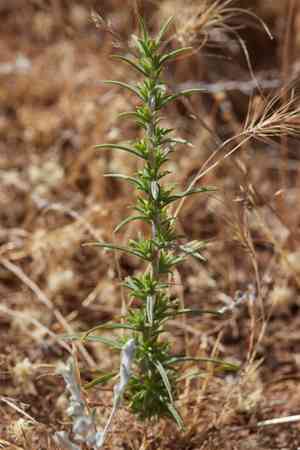
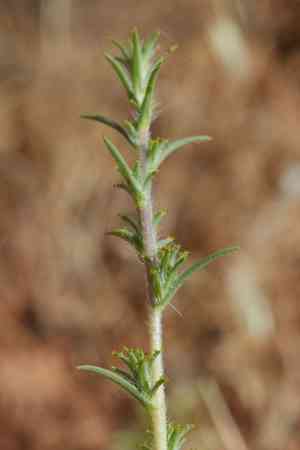
Images of Fremont's western rosinweed
Quickly Identify Fremont's western rosinweed
1
To identify Calycadenia fremontii, look for an annual herb with slender, branching stems and narrow leaves. The yellow flowers often have red or purple spots and are arranged in radiate flower heads.
Scientific Classification of Fremont's western rosinweed
Phylum
Vascular plants
Class
Dicotyledons
Order
Asterales
Family
Daisy
Genus
Calycadenia
Species
Fremont's western rosinweed
Planting and Growing of Fremont's western rosinweed
Care Difficulty
Moderate
Watering Schedule
Every 2 days
Sunlight Requirements
Full sun
Sunshine Duration
4-8 hours
Ideal Temperature
60-75℉
Soil Type
Potting Mix, Peat Mix
Soil pH
6.5-7.5
Fertilizer Type
Balanced
Pruning Season
Spring, Summer
Pruning Area
Branches, Leaves
Pruning Frequency
2 times a year
Repotting Season
Spring
Pot Type
Plastic, Ceramic
 How to Water Fremont's western rosinweed?
Calycadenia fremontii requires a moderate watering regime where you should ensure to moisten the soil evenly. It favors a deep watering approach that allows water to seep into the root zone, about 250 ml of water, enabling the roots to absorb sufficient moisture without leaving standing water in the pot.
What are the symptoms of an underwatered Fremont's western rosinweed?
›
What should I do if my Fremont's western rosinweed is not getting enough water?
›
What are the symptoms of an overwatered Fremont's western rosinweed?
›
How to save an overwatered Fremont's western rosinweed?
›
 What Are the Sunlight Requirements for Fremont's western rosinweed?
Half to full sunlight is ideal. This facilitates a balanced growth environment, promoting photosynthesis processes and flowering, ultimately supporting the plant's overall health and vigor.
What is the ideal sunlight exposure?
›
How can you ensure it gets full sun?
›
What benefits does ideal sunlight offer?
›
 What Is the Ideal Temperature Range for Fremont's western rosinweed?
Calycadenia fremontii thrives in an environment where the temperature range is between 60°F and 75°F. This range allows the plant to carry out optimal photosynthesis and growth. It's essential to maintain these conditions for the plant’s health and development.
 What Soil is Best for Fremont's western rosinweed?
Calycadenia fremontii thrives best in well-drained soils. This type of soil allows water to percolate swiftly, preventing root rot and ensuring oxygen access. A well-drained environment supports robust root development, fueling healthy plant growth and vibrant blooms. The plant benefits from soils rich in essential nutrients, enhancing its vigor and resilience. Fertile soil provides essential minerals that support strong stem growth and flower production, yielding a more aesthetic plant appearance. Soils with moderate organic matter contribute to better water retention and nutrient availability. This quality supports prolonged hydration and a steady nutrient supply, crucial for Calycadenia fremontii during dry spells, ensuring sustained growth.
 How to Fertilize Fremont's western rosinweed?
Calycadenia fremontii should receive a balanced amount of nutrients to support its growth. Liquid fertilizers should be applied at half-strength to avoid nutrient burn while ensuring enough enrichment. During the active growing season, ensure that the roots have good access to essential nutrients.
 How to Prune Fremont's western rosinweed?
First, inspect the plant for any dead or dried branches. Remove these by making cuts at the base of the branch, close to the main stem, to improve air circulation and light penetration. Trim overgrown stems that disrupt the natural shape of the plant. Snip them back to a pair of leaves or a bud to encourage bushier growth and an aesthetically pleasing form. After flowering, prune back flowering stems to promote further blooming. Cut back just above a leaf node to stimulate the growth of additional flowers.
More About Pruning Techniques→
 How to Propagate Fremont's western rosinweed plant?
1
Fill the seed trays with a sterile seed starting mix. This medium provides the right balance of moisture and aeration, helping seeds to germinate effectively without being hindered by pathogens.
2
Place seeds evenly on the surface of the prepared seed trays. Lightly cover them with a fine layer of seed starting mix, which helps retain moisture while allowing light penetration necessary for germination.
3
Choose healthy, non-flowering stems for taking cuttings. Each cutting should be about 4-6 inches long with several nodes. Remove the lower leaves and dip the cut end in rooting hormone to encourage root development.
 How to Repot Fremont's western rosinweed plant?
1
Calycadenia fremontii typically shows signs for repotting when roots begin to grow out of the bottom of the pot or when its growth visibly slows. These signs suggest that the current pot is too cramped or the soil is no longer providing sufficient nutrients for healthy growth.
2
Select a pot that is one size larger than the current one and has enough drainage holes. This ensures the roots have space to spread while preventing waterlogging, which is crucial for preventing root rot and keeping the plant healthy and thriving.
3
Opt for a well-draining mix, ideally containing sand, perlite, or small bark. This composition allows excess water to escape easily, minimizing the risk of root rot and ensuring that Calycadenia fremontii retains access to essential moisture without drowning.


