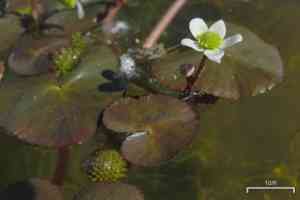
Caltha (Caltha) (Caltha)
Also known as: Marsh Marigold, Kingcup, Cowslip
Caltha plants, such as marsh marigolds, are resilient perennials known for their vibrant yellow or white flowers, often found in clusters. They produce toxic chemicals, making them distasteful and potentially harmful to herbivores. Despite their toxicity to some animals, their blooms attract beneficial pollinators like bees, beetles, and hoverflies. Additionally, the seeds of many Caltha species are adapted for dispersal by water, commonly facilitated by rain.
In This Article
Attributes of Caltha (Caltha)
Lifespan
Perennial
Plant Height
30-60 cm (12-24 inches)
Spread
N/A
Leaf Color
Glossy green
Flower Size
2.5-5 cm (1-2 inches)
Flower Color
Bright yellow
Images of Caltha (Caltha)

Quickly Identify Caltha (Caltha)
1
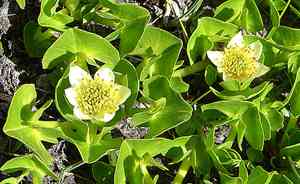
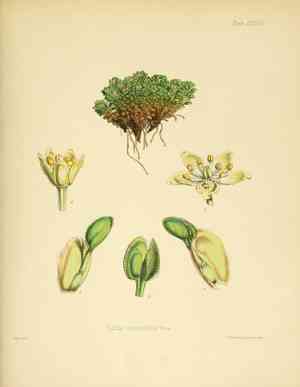
Caltha species can be identified by their bright yellow, buttercup-like flowers and glossy, kidney-shaped leaves. The plants generally grow in moist or wet environments.
Scientific Classification of Caltha (Caltha)
Phylum
Tracheophyta
Class
Magnoliopsida
Order
Ranunculales
Family
Ranunculaceae
Genus
Caltha
Planting and Growing of Caltha (Caltha)
Care Difficulty
Easy
Watering Schedule
Every 4 days
Sunlight Requirements
Full sun
Sunshine Duration
6-10 hours
Ideal Temperature
60-75℉
Soil Type
Potting Mix, Peat Mix
Soil pH
6.5-7.5
Fertilizer Type
Balanced
Pruning Season
Spring, Summer
Pruning Area
Branches, Leaves
Pruning Frequency
2 times a year
Repotting Season
Spring
Pot Type
Plastic, Ceramic
 How to Water Caltha (Caltha)?
For Caltha, the watering quantity should be enough to keep the soil consistently moist but not waterlogged. 250 ml per session is typically sufficient, as this plant thrives in damp conditions. The goal is to mimic its natural wetland habitat by ensuring the soil remains moist at all times.
What are the symptoms of an underwatered Caltha (Caltha)?
›
What should I do if my Caltha (Caltha) is not getting enough water?
›
What are the symptoms of an overwatered Caltha (Caltha)?
›
How to save an overwatered Caltha (Caltha)?
›
 What Are the Sunlight Requirements for Caltha (Caltha)?
Caltha requires partial to full sun. Ideal light ensures robust growth, vibrant green leaves, and increases blooming potential significantly.
What is the ideal lighting solution?
›
How can the ideal light condition be ensured?
›
What benefits do ideal light conditions provide?
›
 What Is the Ideal Temperature Range for Caltha (Caltha)?
Caltha, commonly known as marsh marigold, thrives best in moderate temperatures. The ideal temperature range for cultivating Caltha is between 60°F and 75°F. Within this range, the plant experiences optimal growth and blooming. Temperatures above or below this range may lead to slowed growth or flowering delay. Maintaining consistent temperatures helps ensure healthy foliage and vibrant flowers.
 What Soil is Best for Caltha (Caltha)?
Caltha prefers consistently moist soil. This characteristic ensures the roots are never dry, supporting the plant's lush growth and vibrant blooms, especially important in its natural marsh habitats. A fertile ground rich in organic matter supports Caltha's robust growth. Such nutrient-dense conditions provide the elements needed for lush foliage and healthy flower production, maximizing their aesthetic appeal. While Caltha thrives in moist conditions, it's crucial that the soil does not become waterlogged. Well-draining soils prevent root rot and disease, ensuring the plant remains healthy throughout its lifecycle.
 How to Fertilize Caltha (Caltha)?
Caltha plants should be fertilized in moderation, as over-fertilization can be detrimental. Use a balanced 10-10-10 liquid fertilizer at half the recommended strength during the growing season. For slow-release fertilizers, apply a small amount, around 25 grams per square meter, to avoid nutrient burn.
 How to Prune Caltha (Caltha)?
Begin by removing dead or damaged stems first. This encourages healthy growth and prevents any disease from spreading. Identify the older or excessively dense parts of the plant, and carefully cut them back to a lateral bud or stem, keeping the plant's natural shape intact. While pruning, take the time to inspect the plant for any signs of pest activity or disease. Early detection can help you quickly manage the problem. Check the undersides of leaves and around the stems, as these are common spots for insect activity.
 How to Propagate Caltha (Caltha) plant?
1
Harvest seeds from mature plants when the seedheads turn brown and start to open. This indicates that the seeds are ready for collection. Store them in a cool, dry place until sowing.
2
Use a well-draining seed-starting mix in your tray. Moisten the soil lightly before planting seeds to ensure even moisture levels, which is crucial for seed germination.
3
In early spring, carefully dig up the plant and divide it into smaller clumps. Ensure that each division has a healthy portion of roots attached to support new growth.
 How to Repot Caltha (Caltha) plant?
1
The ideal time to repot Caltha is when the plant starts to outgrow its container, evidenced by roots poking through the drainage holes or when the plant's growth slows significantly. These signs typically occur during early Spring or in Autumn. Repotting during these seasons allows the plant to recover quickly as it is not under the stress of extreme temperatures.
2
Select a pot that is slightly larger than the current one, around 1-2 inches wider in diameter. Ensure the pot has good drainage to prevent waterlogging, which could cause root rot. Terracotta pots are beneficial as they allow soil to breathe and provide a more stable environment for the roots, absorbing excess moisture.
3
Opt for a soil mix that retains moisture yet drains well to avoid sogginess. A mix of peat, perlite, and a bit of sand works well, providing the roots with oxygen and reducing the risk of root diseases. This balance keeps the plant hydrated while ensuring its roots remain healthy.
Toxicity
ingestion of raw parts of the plant
WARNING
The judgment on toxicity and danger is for reference only. We DO NOT GUARANTEE any accuracy of such judgment. Therefore, you SHALL NOT rely on such judgment. It is IMPORTANT TO SEEK PROFESSIONAL ADVICE in advance when necessary.
Learn More About Caltha (Caltha) Diseases
Anthracnose
Bacterial Leaf Spot
Bacterial Soft Rot
Crown Gall
Cyst Nematode
Damping-off
Downy Mildew
Drought Stress
Fusarium Wilt
Gray Mold
Leaf Spot
Mosaic
Nutrient Deficiency
Nutrient Toxicity
Powdery Mildew
Root Rot
Root-knot Nematode
Rusts
Sooty Mold
Spider Mites
Temperature Stress
Thrips Damage
White Mold
Chemical Injury

