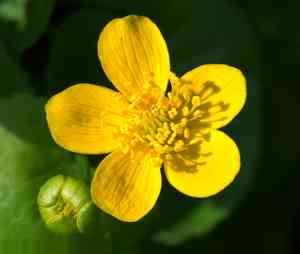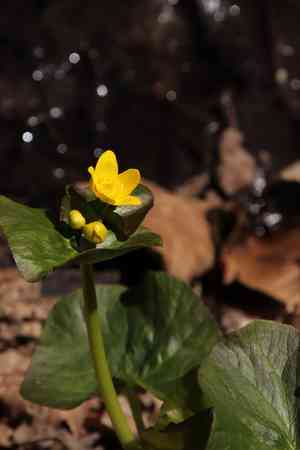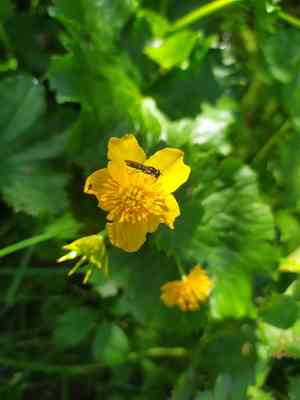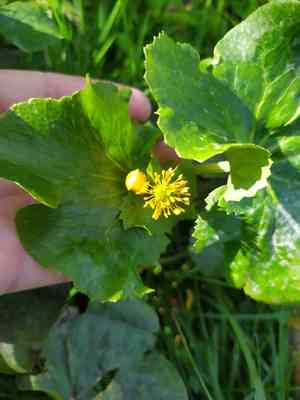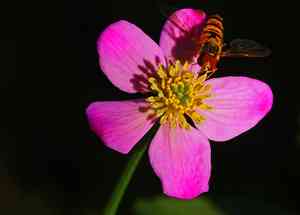
Yellow marsh marigold(Caltha palustris)

Yellow marsh marigold (Caltha palustris)

Also known as: Marsh marigold, May blob, Molly-blob, Boots, Bull flower, Crowfoot, Yellow gowan

The yellow marsh marigold (Caltha palustris) is a perennial wildflower that reaches heights of 30 to 91 cm. Known for its vibrant yellow, buttercup-like flowers, it blooms from spring to summer. This plant thrives in wet environments such as marshes, along streambanks, and in soggy meadows. It attracts pollinators like bees and butterflies and is also favored by grazing livestock. After flowering, its seeds can be harvested for propagation in other suitable wet areas.

Attributes of Yellow marsh marigold

Lifespan
Perennial
Plant Type
Herb
Plant Height
10 cm to 80 cm
Spread
30 cm to 45 cm
Leaf Color
Green
Flower Size
4 cm
Flower Color
Yellow White Gold

PlantJoy - Identify plants with a snap

Identify and diagnose plants, get toxicity alerts, and explore safety guides for all types of fungi.

Try for Free

Images of Yellow marsh marigold

Yellow marsh marigold(Caltha palustris)

Quickly Identify Yellow marsh marigold

1
Bright yellow, cup-shaped flowers with 5-9 petal-like sepals (1-1.5 inches / 2.5-3.8 cm wide).
2
Heart or kidney-shaped, dark green, glossy leaves (3-7 inches / 7.6-17.8 cm wide).
3
Low-growing plant reaching 1-1.5 feet (30-45 cm) with branching rhizomes in wetlands.
4
Distinctive green follicle fruit (0.5-0.8 inches / 1.3-2 cm) that dehisces to disperse seeds.
5
Hollow, hairless stem with glossy, vibrant green color (0.2-0.4 inches / 5-10 mm diameter).

Scientific Classification of Yellow marsh marigold

Phylum
Vascular plants
Class
Dicotyledons
Order
Buttercups, poppies and allies
Family
Buttercup
Genus
Caltha
Species
Yellow marsh marigold

Planting and Growing of Yellow marsh marigold

Care Difficulty
Easy
Watering Schedule
Every 4 days
Sunlight Requirements
Full sun
Sunshine Duration
6-10 hours
Ideal Temperature
60-70℉
Soil Type
Potting Mix, Peat Mix
Soil pH
6.5-7.5
Fertilizer Type
Balanced
Pruning Season
Spring, Summer
Pruning Area
Branches, Leaves
Pruning Frequency
2 times a year
Repotting Season
Spring
Pot Type
Plastic, Ceramic

water icon How to Water Yellow marsh marigold?

Caltha palustris requires a substantial amount of water, approximately 500 ml each time. This plant thrives in marshy environments, so it needs consistently moist soil. Ensure water penetrates deep into the soil, soaking it without waterlogging, allowing the plant to draw moisture through its roots effectively.
What are the symptoms of an underwatered Yellow marsh marigold?
What should I do if my Yellow marsh marigold is not getting enough water?
What are the symptoms of an overwatered Yellow marsh marigold?
How to save an overwatered Yellow marsh marigold?

sunlight icon What Are the Sunlight Requirements for Yellow marsh marigold?

Sunlight Requirements: Full sun, Partial sun
Duration of light: 4 to 6 hours
The ideal light range for Caltha palustris is full sun to partial sun, preferably with 4 to 6 hours of sunlight daily. This range optimizes growth and flowering, enhancing the plant's health.
What type of sunlight does Caltha palustris prefer?
How can you maintain ideal sunlight conditions for Caltha palustris?
What are the benefits of providing ideal lighting for Caltha palustris?
More About Sunlight Requirements Techniques

temperature icon What Is the Ideal Temperature Range for Yellow marsh marigold?

Ideal Temperature: 60 ~ 70℉
The ideal temperature range for growing Caltha palustris is between 60°F and 70°F. This range provides optimal conditions for photosynthesis and growth, ensuring the plant remains vigorous and healthy. Given that these plants are typically found in temperate wetland areas, maintaining a mild to moderate temperature helps replicate their natural habitat. Additionally, it is crucial to maintain a consistent temperature within this range to avoid stress that could lead to undesired plant responses.

soil icon What Soil is Best for Yellow marsh marigold?

Soil type: Loam, Peat soil, Clay soil
Soil PH: 6.5 ~ 7.5
Caltha palustris thrives in soil that retains ample moisture, simulating the marshy environments they naturally grow in. Consistent moisture ensures lush foliage and vibrant blooms, making it a quintessential characteristic in their growth. These plants demand nutrient-rich soil to support their rapid growth. Ample organic matter contributes to strong root development and helps maintain vibrant yellow flowers, thereby enhancing the overall health and aesthetics of the plant. Despite needing moisture, Caltha palustris requires soil with good drainage to prevent root rot. Ensuring a balance between water retention and proper drainage keeps the plant's roots healthy and promotes vigorous growth.

fertilize icon How to Fertilize Yellow marsh marigold?

Fertilizer type: Balanced
For Caltha palustris, a modest amount of fertilizer is ideal. Use approximately 1 teaspoon of liquid fertilizer per gallon of water or a slow-release formula at rates recommended for aquatic plants on the packaging, usually about one tablespoon per plant for solid types. Overly generous amounts should be avoided to prevent root damage.

prune icon How to Prune Yellow marsh marigold?

Pruning Time: Spring, Summer, Autumn
Begin by identifying and removing any stems or leaves that appear brown or wilted, cutting back to healthy growth. This encourages new, robust growth and maintains the plant's aesthetic appeal. Trim around the edges to maintain the plant's preferred mound-like shape. This helps improve air circulation among the foliage, reducing the likelihood of disease development. More About Pruning Techniques

propagate icon How to Propagate Yellow marsh marigold plant?

Propagate Time: Early spring, Spring
1
Harvest seeds from mature Caltha palustris plants in late spring to summer. Ensure the seeds are fully mature and dry before collecting them. Store them in a cool, dry place until ready for planting.
2
Sow seeds in seed trays filled with a well-draining potting mix in early spring. Lightly cover them with soil and maintain a consistent moisture level. Place trays in a warm location with indirect sunlight.
3
In early spring, divide mature Caltha palustris plants using a garden trowel. Gently separate the plants ensuring each section has roots attached. Plant the divisions immediately in prepared soil with good moisture.
More About Propagating Techniques

repot icon How to Repot Yellow marsh marigold plant?

Repotting frequency: Every 2-3 years
1
Caltha palustris should be repotted when you notice signs such as the plant becoming root-bound, water draining too quickly through the pot, or stunted growth. These indicators suggest the plant needs more room to grow, which means it's time for a new pot.
2
Choose a pot slightly larger than the current one, ensuring it has adequate drainage holes. The benefits of this choice include preventing water logging and allowing space for root expansion, which help sustain the plant's health and vitality.
3
Opt for a rich, moisture-retentive soil to suit Caltha palustris's natural habitat. A well-balanced soil mix enhances drainage while retaining necessary moisture, supporting the plant's lush foliage and vibrant blooming.

PlantJoy - Identify plants with a snap

Find the best spots for them to optimize their health, simply using your phone.

Try for Free

Toxicity of Yellow marsh marigold

Is Yellow marsh marigold toxic to humans?

The yellow marsh marigold possesses toxicity for humans upon ingestion, with its toxicity increasing as the plant matures. Each part of the plant (especially the leaves and older sections) harbors protoanemonin, which can lead to moderate illness in humans. Signs of yellow marsh marigold poisoning may include throat burning, vomiting, sanguineous diarrhea, dizziness, fainting spells, and convulsions. It is advisable to handle this plant with caution, as its sap can irritate sensitive skin. Exercise care when walking or hiking through marshy areas and wetlands, as these are its natural habitats.

Is Yellow marsh marigold toxic to cat?

Yellow marsh marigold presents a serious toxicity hazard for cats. If felines accidentally ingest any part of this plant, they might suffer from negative health effects. After consuming yellow marsh marigold, cats can show signs of physical distress or illness, requiring urgent veterinary intervention. Every part of the yellow marsh marigold is toxic, underscoring the importance of vigilance to keep cats away from any segment of the plant. Should poisoning be suspected, it is crucial to rush the cat to a veterinary clinic without delay for appropriate treatment and care.

Is Yellow marsh marigold toxic to dog?

The yellow marsh marigold is recognized as toxic to dogs. This plant poses a poisoning risk if a dog ingests any of its parts, as all components are known to possess toxic characteristics. When a dog consumes yellow marsh marigold, it may display signs such as gastrointestinal distress, vomiting, diarrhea, and potentially more severe reactions, which depend on the quantity ingested. Given the risks linked to yellow marsh marigold, dog owners should be proactive in shielding their pets from contact with or consumption of this plant. Should a dog consume yellow marsh marigold, it is crucial to seek immediate veterinary assistance to ensure the best possible outcome for the animal.

Identify toxic plants for your safety

Learn which plants are harmful to you and your pets, and make informed choices for a safer home!

Try for Free
WARNING
The judgment on toxicity and danger is for reference only. We DO NOT GUARANTEE any accuracy of such judgment. Therefore, you SHALL NOT rely on such judgment. It is IMPORTANT TO SEEK PROFESSIONAL ADVICE in advance when necessary.
More About Toxic Techniques