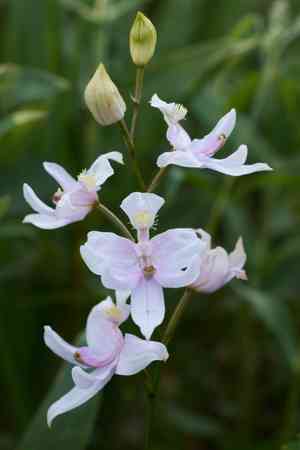
Oklahoma grasspink (Calopogon oklahomensis)
Also known as: Grass-pink orchid
Described by Douglas H. Goldman in 1995, this plant species features flowers that can be white, pink, or purple. It also has a distinctive labellum adorned with yellow hairs at the tip.
In This Article
Attributes of Oklahoma grasspink
Lifespan
Perennial
Plant Type
Herb
Plant Height
10 cm to 36 cm
Spread
N/A (typically, orchids do not have a \'crown\' in the tree sense)
Leaf Color
Green
Flower Size
2-4 cm (0.8-1.6 inches)
Flower Color
Pink
Images of Oklahoma grasspink
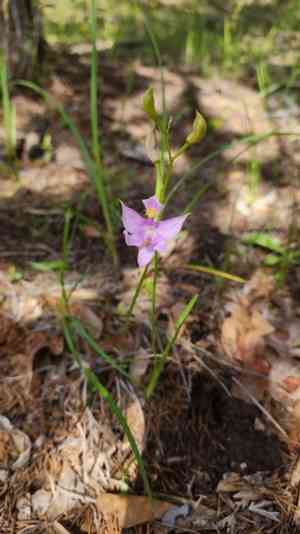
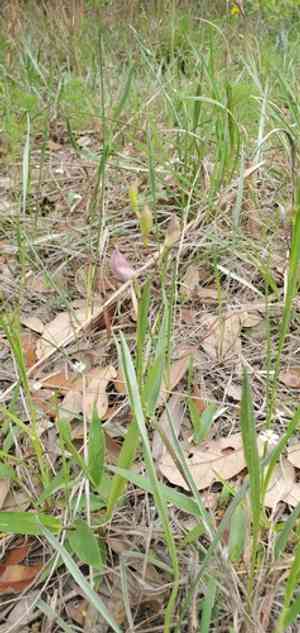
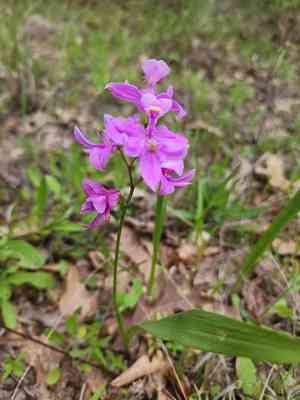
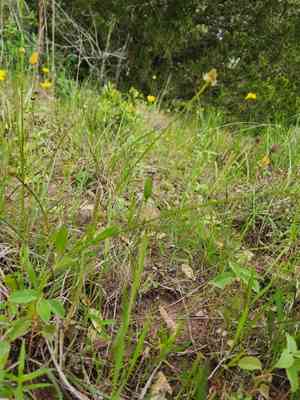
Quickly Identify Oklahoma grasspink
1
Look for grass-like foliage and bright pink flowers with a unique appearance where the labellum (lip) is on top rather than the bottom. The flowers typically bloom in late spring to early summer.
Scientific Classification of Oklahoma grasspink
Phylum
Vascular plants
Class
Monocotyledons
Order
Asparagales
Family
Orchid
Genus
Grass pink
Species
Oklahoma grasspink
Planting and Growing of Oklahoma grasspink
Care Difficulty
Hard
Watering Schedule
Every 3 days
Sunlight Requirements
Full sun
Sunshine Duration
6-10 hours
Ideal Temperature
65-75℉
Soil Type
Potting Mix, Peat Mix
Soil pH
6.5-7.5
Fertilizer Type
Balanced
Pruning Season
Spring, Summer
Pruning Area
Branches, Leaves
Pruning Frequency
2 times a year
Repotting Season
Spring
Pot Type
Plastic, Ceramic
 How to Water Oklahoma grasspink?
For Calopogon oklahomensis, the watering amount should ensure the soil is uniformly moist but not waterlogged. Aim for about 250 ml per watering session to maintain optimal moisture levels.
What are the symptoms of an underwatered Oklahoma grasspink?
›
What should I do if my Oklahoma grasspink is not getting enough water?
›
What are the symptoms of an overwatered Oklahoma grasspink?
›
How to save an overwatered Oklahoma grasspink?
›
 What Are the Sunlight Requirements for Oklahoma grasspink?
Calopogon oklahomensis thrives in full sun conditions, receiving 6-8 hours of direct sunlight. This ensures healthy growth, vibrant flowers, and overall plant vigor.
How much sunlight does Calopogon oklahomensis need?
›
What's the best way to provide ideal light for Calopogon oklahomensis?
›
What happens if Calopogon oklahomensis gets the ideal light?
›
 What Is the Ideal Temperature Range for Oklahoma grasspink?
For optimal growth, Calopogon oklahomensis thrives in a temperature range of 65 to 75°F. Maintaining this range ensures robust plant health and encourages flowering. Temperatures within this range permit optimal photosynthesis and energy efficiency for the plant's physiological processes.
 What Soil is Best for Oklahoma grasspink?
Calopogon oklahomensis thrives in soil that provides excellent drainage, preventing waterlogging which can harm the roots. Proper drainage ensures the roots get enough oxygen, minimizing root rot risk and promoting healthy growth. Rich organic matter is crucial for Calopogon oklahomensis, as it supplies essential nutrients and helps maintain moisture levels. A nutrient-rich medium supports lush foliage and vibrant blooms, making your plant radiant with health. While requiring good drainage, the soil should also retain adequate moisture to support Calopogon oklahomensis' growth needs. Balancing moisture retention ensures the plant does not dry out but remains consistently hydrated, fostering steady growth.
 How to Fertilize Oklahoma grasspink?
Calopogon oklahomensis requires a balanced approach to fertilization. Use a diluted liquid fertilizer at half the standard strength, about 1-2 teaspoons per gallon of water, to ensure the plant receives adequate nutrients without the risk of over-fertilization.
 How to Prune Oklahoma grasspink?
Always use sterilized pruning shears to avoid transferring diseases. Clean tools with alcohol or a bleach solution before and after handling to maintain plant health. Be cautious not to over-prune. Remove only the necessary parts to avoid stressing the plant. Excessive pruning can hinder growth and reduce flowering potential. Prune during dry weather to minimize the risk of fungal infections. Wet conditions can facilitate the spread of diseases, so it's best to prune on dry, sunny days.
More About Pruning Techniques→
 How to Propagate Oklahoma grasspink plant?
1
Collect seeds from mature Calopogon oklahomensis plants during the late spring when the seed pods have ripened. Ensure the seeds are completely dry before storage to prevent molding. This step ensures quality germination later.
2
Prepare a well-draining soil mix, ideally composed of sphagnum moss and horticultural sand. This mix mimics the plant's natural, acidic and nutrient-poor habitat, which facilitates proper seedling growth.
3
During early summer, gently divide the tubers of the plant using a sharp knife. Ensure that each division has at least one growing point. This will enhance the likelihood of each section developing into a new plant.
 How to Repot Oklahoma grasspink plant?
1
The best time to repot Calopogon oklahomensis is when the plant shows signs of being root-bound, such as roots protruding from the pot's drainage holes, or if the soil seems compacted and doesn't drain well. Repotting should ideally be done during its growth season, to help it recover and establish quickly in the new pot.
2
Select a pot that provides ample room for growth, usually one size larger than the current pot. Adequate drainage is crucial, so ensure the pot has several holes at the bottom. This will prevent waterlogging, which can cause root rot, fostering a healthier plant.
3
Opt for an orchid-specific potting mix, which offers excellent drainage and aeration tailored to Calopogon oklahomensis. This type of soil prevents excessive moisture retention around the roots, reducing the risk of root diseases while supporting robust growth.
Learn More About Oklahoma grasspink Diseases
Anthracnose
Bacterial Leaf Spot
Bacterial Soft Rot
Bacterial Wilt
Crown Gall
Cyst Nematode
Damping-off
Downy Mildew
Drought Stress
Fusarium Wilt
Gray Mold
Leaf Spot
Mosaic
Nutrient Deficiency
Nutrient Toxicity
Powdery Mildew
Root Rot
Root-knot Nematode
Rusts
Sooty Mold
Spider Mites
Temperature Stress
Thrips Damage
White Mold



