Calophyllum (Calophyllum) (Calophyllum)
Also known as: Alexandrian laurel, Indian laurel, Beauty leaf
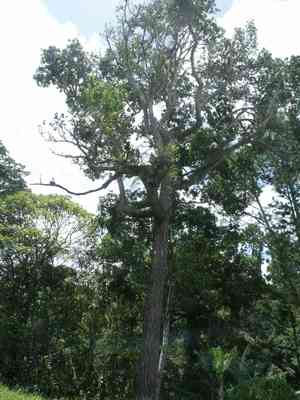
Calophyllum trees, predominantly found in tropical regions, are often harvested for their valuable lumber. These fast-growing hardwoods can reach impressive heights of up to 30 meters. The wood is prized for its use in boat construction, furniture making, and flooring due to its robustness and durability.
In This Article
Attributes of Calophyllum (Calophyllum)
Lifespan
Perennial
Plant Height
Up to 20 meters (65 feet)
Spread
10 to 15 meters (33 to 49 feet)
Leaf Color
Dark green
Flower Size
1 to 2 centimeters (0.4 to 0.8 inches)
Flower Color
White
Images of Calophyllum (Calophyllum)

Quickly Identify Calophyllum (Calophyllum)
1
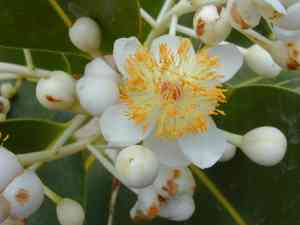
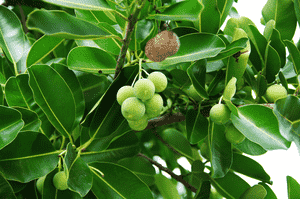
Calophyllum species can be identified by their glossy, oval leaves with prominent veins, the presence of a clear resin when a leaf is broken, and their fragrant, small white flowers arranged in clusters.
Scientific Classification of Calophyllum (Calophyllum)
Phylum
Magnoliophyta
Class
Magnoliopsida
Order
Malpighiales
Family
Calophyllaceae
Genus
Calophyllum
Planting and Growing of Calophyllum (Calophyllum)
Care Difficulty
Moderate
Watering Schedule
Every 2 days
Sunlight Requirements
Partial sun
Sunshine Duration
4-8 hours
Ideal Temperature
68-86℉
Soil Type
Potting Mix, Peat Mix
Soil pH
5.5-7.5
Fertilizer Type
Balanced
Pruning Season
Spring, Summer
Pruning Area
Branches, Leaves
Pruning Frequency
2 times a year
Repotting Season
Spring
Pot Type
Plastic, Ceramic
 How to Water Calophyllum (Calophyllum)?
Calophyllum requires moderate watering. The watering principle is to ensure the soil is consistently moist but not waterlogged. Water should penetrate the soil deeply, approximately 500 ml each time, allowing the roots to access adequate moisture without drowning them.
What are the symptoms of an underwatered Calophyllum (Calophyllum)?
›
What should I do if my Calophyllum (Calophyllum) is not getting enough water?
›
What are the symptoms of an overwatered Calophyllum (Calophyllum)?
›
How to save an overwatered Calophyllum (Calophyllum)?
›
 What Are the Sunlight Requirements for Calophyllum (Calophyllum)?
Calophyllum prefers partial to full sun, translating to about 6-8 hours of light daily, which is beneficial for robust growth and vivid foliage.
What is the best lighting condition for Calophyllum?
›
How can one ensure optimal lighting conditions for Calophyllum?
›
What are the benefits of ideal lighting for Calophyllum?
›
 What Is the Ideal Temperature Range for Calophyllum (Calophyllum)?
Calophyllum thrives best within a temperature range of 68°F to 86°F. This range supports its metabolic processes, ensuring optimal growth and development. Within these temperatures, the plant can efficiently photosynthesize and maintain healthy cellular functions.
 What Soil is Best for Calophyllum (Calophyllum)?
Calophyllum thrives in well-draining soils. This ensures that the roots don't remain waterlogged, which can lead to root rot, promoting healthy growth and robust foliage. A nutrient-rich soil provides essential minerals and nutrients that Calophyllum needs for vigorous growth. This optimizes leaf production and enhances flowering. The soil should have a good moisture-retentive capacity to avoid frequent watering. This helps in maintaining a consistent moisture level which is vital for the plant's health.
 How to Fertilize Calophyllum (Calophyllum)?
For Calophyllum, it's important to use a balanced fertilizer. When applying liquid fertilizer, aim for a concentration of about 1/4 to 1/2 strength recommended on the label to avoid over-fertilization. For solid fertilizers, a general-purpose type at about 1/2 to 1 pound per plant per year should suffice, depending on the plant's size and age.
 How to Prune Calophyllum (Calophyllum)?
Start by examining the plant for any dead or diseased branches. Cut these back to healthy tissue using sharp pruning shears to improve the plant's health and air circulation. Gradually shape Calophyllum by considering its natural form. Selectively prune branches to open up the canopy, allowing more sunlight to penetrate and encouraging robust growth. Make clean cuts at a 45-degree angle away from the buds to ensure water drains away, minimizing the risk of disease and promoting quicker healing.
 How to Propagate Calophyllum (Calophyllum) plant?
1
Mix a well-draining soil with compost to create an ideal germination medium. For seeds, fill the seed tray with this mixture and moisten it evenly.
2
Sow the Calophyllum seeds on the surface of the moistened soil. Lightly cover them with a thin layer of soil, as they require light to germinate.
3
Select a healthy, mature branch and make a clean cut below a node using sharp pruning shears. The cutting should be at least 10-15 cm long.
 How to Repot Calophyllum (Calophyllum) plant?
1
Calophyllum requires repotting when you notice roots growing out of the drainage holes or when it becomes root-bound, which restricts growth. Ideally, repot in early spring or summer when growth is active, enabling the plant to adjust smoothly to its new environment and minimize stress.
2
Select a pot that is one size larger than the current one, ensuring it has ample drainage holes. A slightly larger pot provides enough room for root growth without overwhelming the plant. The material should be sturdy, like ceramic or terracotta, to support the tropical environment needs of Calophyllum.
3
Opt for a loamy, well-draining soil mix rich in organic matter. This type of soil ensures adequate aeration and moisture retention, mimicking its natural habitat and promoting healthy growth. Adding compost or perlite enhances soil texture and nutrient availability.
Toxicity
Ingestion
WARNING
The judgment on toxicity and danger is for reference only. We DO NOT GUARANTEE any accuracy of such judgment. Therefore, you SHALL NOT rely on such judgment. It is IMPORTANT TO SEEK PROFESSIONAL ADVICE in advance when necessary.

