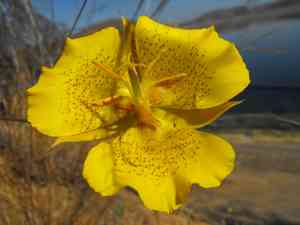
Weed's mariposa lily (Calochortus weedii)
Also known as: Weed's mariposa lily
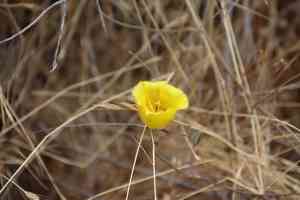
Weed's Mariposa Lily is the common name for Calochortus weedii. This perennial herb, belonging to the lily family, is native to North America and is known for its striking yellow flowers.
In This Article
Attributes of Weed's mariposa lily
Lifespan
Perennial
Plant Type
Herb
Plant Height
30 cm to 90 cm
Spread
15 cm
Leaf Color
Green
Flower Size
4 cm to 6 cm
Flower Color
Yellow Purple Brown
Images of Weed's mariposa lily
Quickly Identify Weed's mariposa lily
1
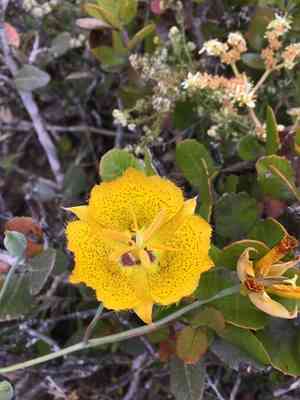
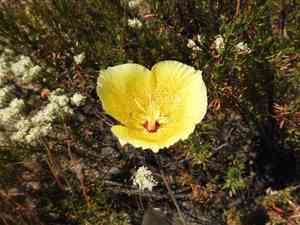
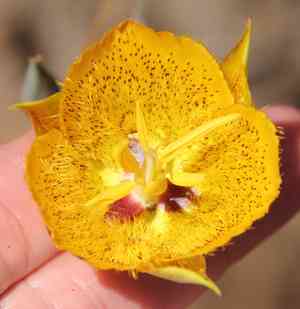
Calochortus weedii can be identified by its distinctive 3-petaled flowers which are usually yellow with reddish-brown streaks or spots. The flowers are cup-shaped, and the plant has long, slender leaves.
Scientific Classification of Weed's mariposa lily
Phylum
Vascular plants
Class
Monocotyledons
Order
Liliales
Family
Lily
Genus
Mariposas
Species
Weed's mariposa lily
Planting and Growing of Weed's mariposa lily
Care Difficulty
Moderate
Watering Schedule
Every 2 days
Sunlight Requirements
Full sun
Sunshine Duration
6-10 hours
Ideal Temperature
68-77℉
Soil Type
Potting Mix, Peat Mix
Soil pH
6.5-7.5
Fertilizer Type
Balanced
Pruning Season
Spring, Summer
Pruning Area
Branches, Leaves
Pruning Frequency
2 times a year
Repotting Season
Spring
Pot Type
Plastic, Ceramic
 How to Water Weed's mariposa lily?
The plant Calochortus weedii requires a moderate watering regime, where each watering session should deliver approximately 250 mL of water. It is vital to ensure that the soil is moistened thoroughly, allowing water to reach the deeper roots without leaving the pot drenched. The goal is to strike a balance where the soil is moist but never soggy, maintaining optimal conditions for healthy growth.
What are the symptoms of an underwatered Weed's mariposa lily?
›
What should I do if my Weed's mariposa lily is not getting enough water?
›
What are the symptoms of an overwatered Weed's mariposa lily?
›
How to save an overwatered Weed's mariposa lily?
›
 What Are the Sunlight Requirements for Weed's mariposa lily?
Calochortus weedii flourishes best with partial to full sunlight. This range supports maximum blooming potential and fosters strong, compact growth, vital for its ornamental appeal.
More About Sunlight Requirements Techniques→
How much sun does Calochortus weedii need?
›
Where should I place my Calochortus weedii?
›
What are the benefits of ideal lighting for Calochortus weedii?
›
 What Is the Ideal Temperature Range for Weed's mariposa lily?
The ideal temperature range for Calochortus weedii is between 68°F and 77°F. This temperature range provides optimal conditions for growth and flowering. Staying within this range ensures that the plant can perform its physiological processes efficiently, supporting healthy development.
 What Soil is Best for Weed's mariposa lily?
Calochortus weedii thrives in well-drained soil, essential for preventing root rot. This requirement ensures that excess water does not persist around the roots, keeping the plant healthy. The plant benefits from soils rich in organic matter as it provides necessary nutrients. This enhances growth, leading to vibrant blooms and a healthier plant overall. Low salinity levels in the soil are crucial for Calochortus weedii. High salinity can hinder its ability to absorb water and nutrients, which is detrimental to its growth.
 How to Fertilize Weed's mariposa lily?
Calochortus weedii requires a balanced amount of nutrients to thrive. It is best to use a balanced liquid fertilizer diluted to half strength, typically at a concentration of one tablespoon per gallon of water. Be cautious not to apply overly concentrated fertilizers as this can harm the plant's roots.
 How to Prune Weed's mariposa lily?
Begin pruning Calochortus weedii after its flowering period in spring or early summer. Start by removing any dead or yellowing leaves, as these can deter the plant's health. Trim back the flower stalks close to the base once they have faded, ensuring that you don’t cut into new growth. This helps the plant conserve energy and encourages the development of fresh blooms in the next growing season. Use a pair of sharp, clean pruning shears for trimming. Ensure your tools are sterilized before pruning to prevent the spread of disease. A gentle hand is needed, as the plant's structure can be delicate. Gloves are recommended to protect your hands from any sap or rough foliage.
More About Pruning Techniques→
 How to Propagate Weed's mariposa lily plant?
1
Use a well-draining soil mix to fill seed trays or pots. The soil should be slightly moist but not wet. For outdoor sowing, ensure the garden bed is well-prepared and free from weeds.
2
Sow Calochortus weedii seeds on the soil surface and cover them lightly with a thin layer of soil or vermiculite. Water them gently to avoid displacing the seeds.
3
Carefully lift clumps of Calochortus weedii after flowering has finished and the foliage has died back. Use a sharp knife to divide the bulbs, ensuring each piece has a healthy portion of roots.
 How to Repot Weed's mariposa lily plant?
1
Calochortus weedii requires repotting when you notice the roots circling the bottom of the pot or if the plant looks stressed and stunted. Repotting during the dormant season ensures minimal stress. Look for signs like poor drainage or slowed growth to determine repotting time.
2
Selecting a pot for Calochortus weedii involves choosing one slightly larger than the current pot, with excellent drainage holes. The preferred material is clay, which allows breathability and prevents root rot, thereby encouraging a healthier root system.
3
Opt for a sandy, well-drained soil mix for Calochortus weedii. This type of soil ensures proper drainage, preventing waterlogging and root rot. The gritty texture mimics its natural habitat, promoting robust and healthy growth.
Learn More About Weed's mariposa lily Diseases
Anthracnose
Bacterial Leaf Spot
Bacterial Soft Rot
Bacterial Wilt
Chemical Injury
Crown Gall
Cyst Nematode
Damping-off
Downy Mildew
Drought Stress
Fusarium Wilt
Gray Mold
Leaf Spot
Mosaic
Nutrient Deficiency
Nutrient Toxicity
Powdery Mildew
Root Rot
Root-knot Nematode
Rusts
Sooty Mold
Spider Mites
Temperature Stress
Thrips Damage
White Mold



