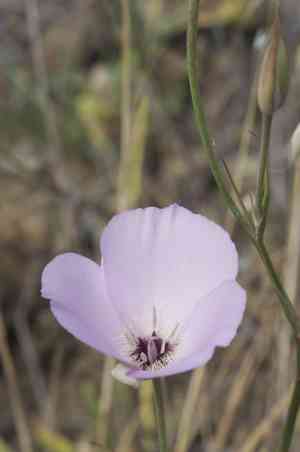
Splendid mariposa lily (Calochortus splendens)
Also known as: Splendid Mariposa Lily
The splendid mariposa lily (Calochortus splendens) is indigenous to regions such as valleys, foothills, and coastal mountains in California and Baja California. This perennial herb is occasionally cultivated in gardens. It features bowl-shaped flowers in various hues of blue, purple, lilac, and lavender, but it might not bloom annually in garden settings.
In This Article
Attributes of Splendid mariposa lily
Lifespan
Perennial
Plant Type
Herb
Plant Height
61 cm
Spread
15 cm
Leaf Color
Green
Flower Size
4.5 cm to 8 cm
Flower Color
Pink Purple
Images of Splendid mariposa lily



Quickly Identify Splendid mariposa lily
1
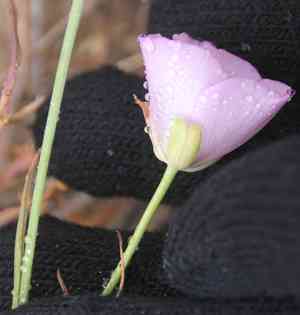
Identify Calochortus splendens by looking for its distinctive bell-shaped flowers with three petals and sepals, each petal being wide and often decorated with striking dark spots or blotches. The flower colors range from rosy purple to lavender.
Scientific Classification of Splendid mariposa lily
Phylum
Vascular plants
Class
Monocotyledons
Order
Liliales
Family
Lily
Genus
Mariposas
Species
Splendid mariposa lily
Planting and Growing of Splendid mariposa lily
Care Difficulty
Moderate
Watering Schedule
Every 2 days
Sunlight Requirements
Full sun
Sunshine Duration
6-10 hours
Ideal Temperature
60-80℉
Soil Type
Potting Mix, Peat Mix
Soil pH
6.5-7.5
Fertilizer Type
Balanced
Pruning Season
Spring, Summer
Pruning Area
Branches, Leaves
Pruning Frequency
2 times a year
Repotting Season
Spring
Pot Type
Plastic, Ceramic
 How to Water Splendid mariposa lily?
For Calochortus splendens, it is important to maintain a balanced watering approach. The best practice is to deeply soak the soil until water begins to drain from the bottom of the pot, ensuring moisture reaches the roots, while ensuring no waterlogging occurs.
What are the symptoms of an underwatered Splendid mariposa lily?
›
What should I do if my Splendid mariposa lily is not getting enough water?
›
What are the symptoms of an overwatered Splendid mariposa lily?
›
How to save an overwatered Splendid mariposa lily?
›
 What Are the Sunlight Requirements for Splendid mariposa lily?
Calochortus splendens thrives in full to partial sun, with exposure ranging from 4 to 6 hours. Ideal lighting promotes healthy blooming, vibrant colors, and strong growth patterns.
More About Sunlight Requirements Techniques→
What is the best environment for Calochortus splendens?
›
How can I provide the ideal light conditions?
›
What benefits are gained from ideal lighting?
›
 What Is the Ideal Temperature Range for Splendid mariposa lily?
Calochortus splendens thrives best within the ideal temperature range of 60°F to 80°F. This range provides the optimal conditions for growth and flowering, offering the balance this species requires to maintain healthy foliage and bloom production. Outside of this range, the plant may experience stress, although not immediately detrimental if the deviation is brief. Consistent temperatures within this range will ensure robust health and vitality.
 What Soil is Best for Splendid mariposa lily?
Calochortus splendens thrives in soil that is rich in organic matter. This nutrient-rich medium supports the plant's growth by providing essential nutrients, which ensures vibrant foliage and abundant flowering. The plant prefers well-drained soils as it is sensitive to waterlogging, which can lead to root rot. Efficient drainage helps keep the roots healthy and prevents excess moisture, allowing the plant to flourish. While this species can tolerate a range of pH levels, it shows a preference for slightly alkaline soils. This pH preference facilitates optimal nutrient uptake, resulting in robust growth and resilience.
 How to Fertilize Splendid mariposa lily?
For Calochortus splendens, it is crucial to use a balanced fertilizer with a 10-10-10 NPK ratio. Apply liquid fertilizer at a rate of one to two teaspoons per gallon of water. When using granular slow-release fertilizers, sprinkle about half a tablespoon around the base of the plant. Make sure not to overdo it, as too much can harm the roots.
 How to Prune Splendid mariposa lily?
While it's important to remove unsightly parts, avoid over-pruning as Calochortus splendens relies on its leaves for photosynthesis. Removing too many leaves can stress the plant and may result in less vigorous growth. Prune primarily in spring or autumn when the plant is in its active growing period. Avoid pruning during winter dormancy as this can reduce the plant's resilience to cold weather and hinder its ability to thrive in the next season.
More About Pruning Techniques→
 How to Propagate Splendid mariposa lily plant?
1
Before planting, soak the seeds of Calochortus splendens in water for 24 hours to help soften the seed coat, which can enhance the germination rate. This step is crucial as it mimics the natural conditions seeds might encounter.
2
Sow the soaked seeds in seed trays filled with well-draining potting soil. Ensure they are covered lightly with soil. It's important not to bury them too deeply, as they need light exposure for successful germination.
3
Maintain consistent moisture in the soil without overwatering. Place the seed trays in a location that receives ample indirect sunlight, as this will provide the energy needed for germination without drying out the seeds.
 How to Repot Splendid mariposa lily plant?
1
Repotting Calochortus splendens should be prompted by specific signals. Look for roots growing out of the pot's drainage holes or a noticeable decline in plant vitality, which indicates it's time for repotting. Spring or during early autumn are optimal, aligning with the plant's natural growth cycle, ensuring it has ample time to adapt to the new environment before it begins active growth.
2
Select a pot that is slightly larger than the current one, preferable with good drainage capabilities. A terra cotta pot is ideal as it allows air flow through its porous walls, providing an excellent balance of moisture and aeration for the roots. Avoid oversizing the pot, which can result in excessive water retention and potential root rot.
3
Opt for well-draining soil such as a sandy mix. This type of soil closely mimics the plant's natural habitat, ensuring proper air circulation and water drainage. A sandy mix helps prevent root rot and promotes healthy root growth by avoiding water stagnation.
Learn More About Splendid mariposa lily Diseases
Anthracnose
Bacterial Leaf Spot
Bacterial Soft Rot
Bacterial Wilt
Chemical Injury
Crown Gall
Cyst Nematode
Damping-off
Downy Mildew
Drought Stress
Fusarium Wilt
Gray Mold
Leaf Spot
Mosaic
Nutrient Deficiency
Nutrient Toxicity
Powdery Mildew
Root Rot
Root-knot Nematode
Rusts
Sooty Mold
Spider Mites
Temperature Stress
Thrips Damage
White Mold



