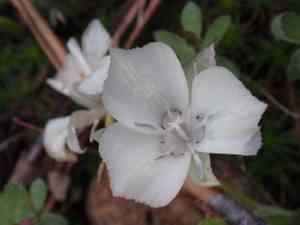
Sierra mariposa lily (Calochortus minimus)
Also known as: Least Mariposa Lily
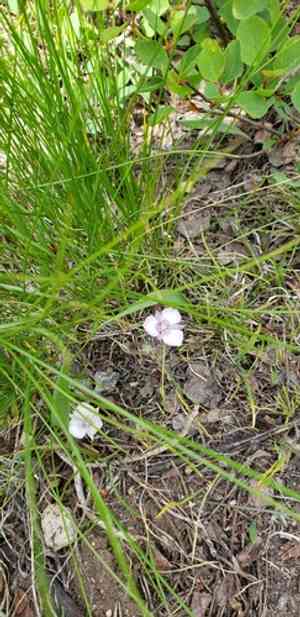
Sierra mariposa lily, a petite mountain-dweller, flourishes in rocky substrates and alpine meadows. Displaying a trio of delicate white to lavender petals often with a subtle, central purple spot, it rises from grass-like foliage in late spring. This compact herb's bulbous base and slender, leafy stem culminate in a singular, nodding bloom, characteristic of its genus.
In This Article
Attributes of Sierra mariposa lily
Lifespan
Perennial
Plant Type
Herb
Plant Height
5-15 cm
Spread
Not applicable as it does not form a tree or large shrub
Leaf Color
Green
Flower Size
1-2 cm
Flower Color
White with possible hints of yellow or pink
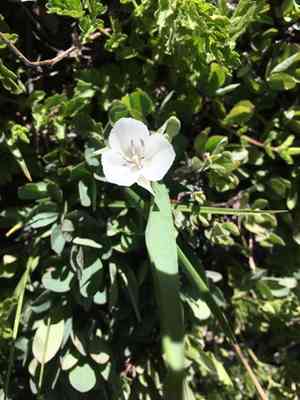
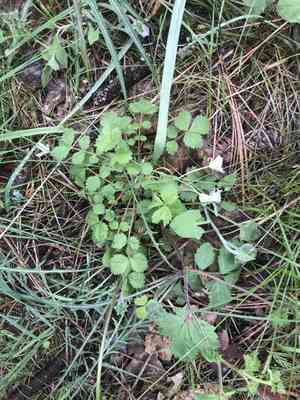
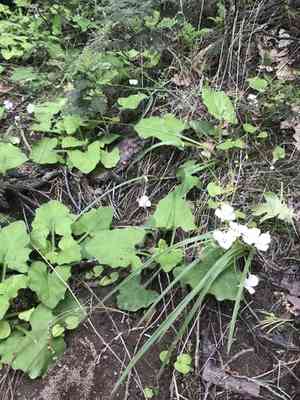
Images of Sierra mariposa lily
Quickly Identify Sierra mariposa lily
1
This plant can be identified by its small, grass-like leaves and its distinctive bell-shaped flowers which are typically white with hints of yellow or pink. The flowers usually have a characteristic fringed petal edge.
Scientific Classification of Sierra mariposa lily
Phylum
Vascular plants
Class
Monocotyledons
Order
Liliales
Family
Lily
Genus
Mariposas
Species
Sierra mariposa lily
Planting and Growing of Sierra mariposa lily
Care Difficulty
Moderate
Watering Schedule
Every 2 days
Sunlight Requirements
Partial sun
Sunshine Duration
6-10 hours
Ideal Temperature
55-70℉
Soil Type
Potting Mix, Peat Mix
Soil pH
6.5-7.5
Fertilizer Type
Balanced
Pruning Season
Spring, Summer
Pruning Area
Branches, Leaves
Pruning Frequency
2 times a year
Repotting Season
Spring
Pot Type
Plastic, Ceramic
 How to Water Sierra mariposa lily?
Calochortus minimus prefers evenly moist soil but ensure it's never waterlogged. The optimal watering follows the principle of 'just moist', which means water thoroughly until you see a few drops from the drainage holes, but avoid any heavy runoff.
What are the symptoms of an underwatered Sierra mariposa lily?
›
What should I do if my Sierra mariposa lily is not getting enough water?
›
What are the symptoms of an overwatered Sierra mariposa lily?
›
How to save an overwatered Sierra mariposa lily?
›
 What Are the Sunlight Requirements for Sierra mariposa lily?
Partial sun exposure is perfect for Calochortus minimus, as it balances enough light for photosynthesis while avoiding intense sun damage. This exposure encourages lush growth and colorful blooms.
Optimal Sun Exposure
›
Managing Shade
›
Beneficial Effects of Proper Lighting
›
 What Is the Ideal Temperature Range for Sierra mariposa lily?
Calochortus minimus thrives best in an environment where the temperature is consistently between 55°F to 70°F. This range provides the optimal conditions for the plant's physiological processes, ensuring healthy growth, flowering, and nutrient uptake. Cultivating the plant within this range minimizes stress and allows the plant to maintain robust growth and foliage density.
 What Soil is Best for Sierra mariposa lily?
Calochortus minimus thrives in well-drained soil. This prevents waterlogged conditions that can damage roots and stunt growth. Ensuring good drainage enhances aeration and nutrient uptake, promoting healthier plants. The plant requires moderate nutrient levels. This ensures sufficient nourishment for growth without the risk of nutrient burn. Balanced nutrients support flowering and foliage development. While well-drained, the soil should still retain some moisture. This balance prevents the soil from drying out completely, providing consistent moisture for optimal root health and growth.
 How to Fertilize Sierra mariposa lily?
For Calochortus minimus, using a half-strength 10-10-10 NPK liquid fertilizer is recommended. Too much fertilizer can lead to burning, so less is more. Apply approximately ¼ cup per plant when using liquid fertilizers, ensuring even distribution around the root zone.
 How to Prune Sierra mariposa lily?
Begin by identifying and removing any leaves that appear dead or diseased. Cutting these out improves air circulation and reduces the risk of disease spreading. To maintain a tidy appearance, gently trim any unruly stems that disrupt the desired shape. Make clean cuts just above a node to encourage healthy regrowth.
More About Pruning Techniques→
 How to Propagate Sierra mariposa lily plant?
1
Begin by filling propagation trays with a well-draining seed starting mix. The mix should be light to support proper aeration and moisture retention. Moisten it before sowing the seeds.
2
Evenly distribute the seeds across the surface of the moistened soil mix. Avoid overcrowding to ensure each seed has enough space to access nutrients and light once they germinate.
3
After sowing, gently water the seeds to ensure proper soil contact. Be careful not to wash away the seeds, and maintain a consistent moisture level to promote germination.
 How to Repot Sierra mariposa lily plant?
1
Calochortus minimus typically requires repotting in early Spring. Look for signs such as the roots outgrowing the container, soil compaction, or poor drainage. New growth during this time is a signal that the plant is ready to transition to a new pot.
2
Select a pot that is one size larger than the current one, with proper drainage holes to prevent waterlogging. A clay or terracotta pot can be ideal as it allows excess moisture to evaporate, keeping the roots dry and preventing root rot.
3
Opt for a well-drained sandy mix to mimic the natural habitat of Calochortus minimus. This soil type prevents water retention, ensuring the delicate bulbs remain dry and healthy. Adding a bit of perlite can enhance drainage further.
Learn More About Sierra mariposa lily Diseases
Anthracnose
Bacterial Leaf Spot
Bacterial Soft Rot
Bacterial Wilt
Black Spot
Chemical Injury
Crown Gall
Cyst Nematode
Damping-off
Downy Mildew
Drought Stress
Fusarium Wilt
Gray Mold
Leaf Spot
Mosaic
Nutrient Deficiency
Nutrient Toxicity
Powdery Mildew
Root Rot
Root-knot Nematode
Rusts
Sooty Mold
Spider Mites
Temperature Stress
Thrips Damage
White Mold



