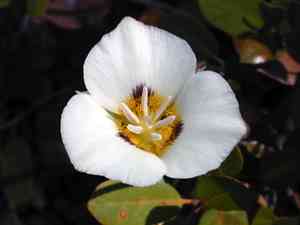
Smokey mariposa (Calochortus leichtlinii)
Also known as: Leichtlin's Mariposa Lily
Calochortus leichtlinii, also known as Leichtlin's mariposa lily, is sometimes called the smokey mariposa or star tulip. This perennial herb is indigenous to the western regions of North America. Native American tribes, such as the Paiute, valued the plant for its edible bulbs, which were a vital food resource, typically roasted or boiled for consumption.
In This Article
Attributes of Smokey mariposa
Lifespan
Perennial
Plant Type
Herb
Plant Height
60 cm
Spread
10-20 cm
Leaf Color
Green
Flower Size
2 cm to 6 cm
Flower Color
White Yellow Purple
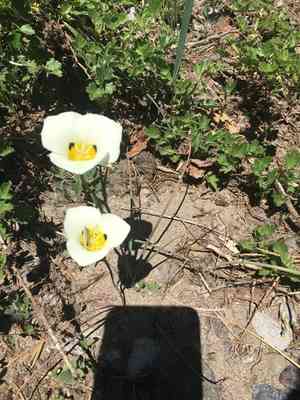
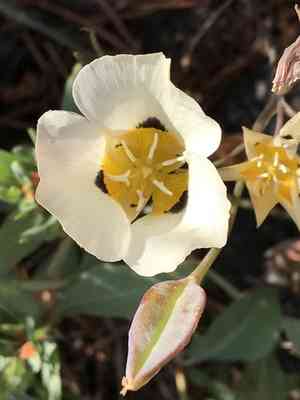
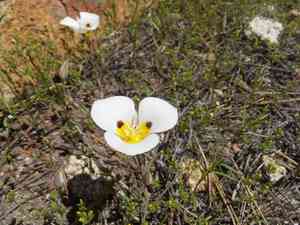
Images of Smokey mariposa
Quickly Identify Smokey mariposa
1
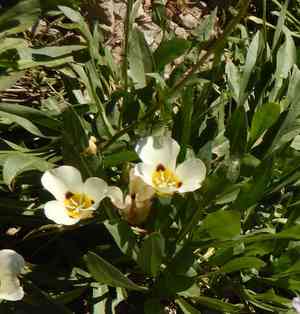
Calochortus leichtlinii can be identified by its slender, erect stems and its large, showy flowers which are usually white with yellow centers and reddish markings at the base of the petals. The leaves are long, narrow, and grass-like.
Scientific Classification of Smokey mariposa
Phylum
Vascular plants
Class
Monocotyledons
Order
Liliales
Family
Lily
Genus
Mariposas
Species
Smokey mariposa
Planting and Growing of Smokey mariposa
Care Difficulty
Easy
Watering Schedule
Every day
Sunlight Requirements
Full sun
Sunshine Duration
4-6 hours
Ideal Temperature
60-75℉
Soil Type
Potting Mix, Peat Mix
Soil pH
6.5-7.5
Fertilizer Type
Balanced
Pruning Season
Spring, Summer
Pruning Area
Branches, Leaves
Pruning Frequency
2 times a year
Repotting Season
Spring
Pot Type
Plastic, Ceramic
 How to Water Smokey mariposa?
Calochortus leichtlinii, commonly known as Leichtlin's mariposa lily, thrives in well-drained soil and requires moderate watering. Once a month, provide approximately 300 milliliters of water, ensuring the soil is saturated but not waterlogged. This balance is key to avoid any root rot.
What are the symptoms of an underwatered Smokey mariposa?
›
What should I do if my Smokey mariposa is not getting enough water?
›
What are the symptoms of an overwatered Smokey mariposa?
›
How to save an overwatered Smokey mariposa?
›
 What Are the Sunlight Requirements for Smokey mariposa?
Partial to full sun provides the best conditions, ensuring resilience and vibrant blooming. Consistent exposure to 6-8 hours of sunlight not only helps in maintaining robust health but also ensures a dense, full growth habit.
What are the ideal sunlight conditions for Calochortus leichtlinii?
›
How to achieve optimal sunlight for Calochortus leichtlinii?
›
Benefits of ideal sunlight to Calochortus leichtlinii?
›
 What Is the Ideal Temperature Range for Smokey mariposa?
Calochortus leichtlinii thrives in a temperate climate where the temperature range is ideally between 60°F and 75°F. This range facilitates optimal growth and blooming, allowing the plant to maintain its biological functions efficiently. When kept in this range, the plant has a greater chance of resisting pests and diseases due to the maintenance of an active metabolism.
 What Soil is Best for Smokey mariposa?
Calochortus leichtlinii thrives in well-drained soil, which prevents waterlogging and root rot. This requirement ensures that the bulbs remain healthy and are not susceptible to fungal infections that can be detrimental to growth. The plant favors a nutrient-rich medium, aiding in robust growth and vibrant flower colors. Providing ample organic matter in the soil supports essential nutrient uptake, enhancing both foliage and flower development. A neutral to slightly alkaline soil pH between 6.5 and 7.5 is ideal. This pH range ensures optimal nutrient availability, enabling the plant to efficiently utilize minerals without the hindrance of nutrient lockout.
 How to Fertilize Smokey mariposa?
For Calochortus leichtlinii, apply a dilute liquid fertilizer at half the recommended strength to avoid overwhelming its delicate root system. Ensure uniform distribution to promote balanced growth. Typically, use 20-20-20 NPK at half the label's dosage per feeding.
 How to Prune Smokey mariposa?
While pruning, take extra care around the base of the plant where the bulbs reside. Any damage to the bulbs can affect future blooms and reduce plant vitality, so avoid deep cuts or digging around this area unnecessarily. While pruning, it’s a good idea to check for signs of pests or disease on the leaves and stems. Early detection can help manage any issues before they severely impact the plant's health.
More About Pruning Techniques→
 How to Propagate Smokey mariposa plant?
1
Before sowing, soak the seeds in water for approximately 24 hours. This aids in breaking the seed dormancy and enhances germination rates when you plant them in the soil.
2
Sow the seeds on the surface of the prepared soil, lightly pressing them into the soil but ensuring they are still exposed to light. Proper exposure is crucial for the germination of Calochortus leichtlinii.
3
Keep the soil consistently moist but not waterlogged. It's important to mist the soil lightly to avoid disturbing the seeds while ensuring they have the necessary moisture to germinate.
 How to Repot Smokey mariposa plant?
1
Calochortus leichtlinii will signal its need for a new pot when its roots outgrow the current container, or when the growth becomes sluggish due to the depletion of soil nutrients. Spring or autumn are ideal seasons to repot, as these are times of active root growth, ensuring a smooth transition. Always check the roots' condition before proceeding.
2
Choose a pot that is slightly larger than the current one, with ample drainage holes. Opting for a container 2-4 inches wider ensures that the roots have space to expand, promoting healthier growth. Ceramic or terracotta pots are ideal as they allow adequate air circulation, while their weight provides stability to the plant.
3
A well-draining sandy-loam soil mix is perfect for Calochortus leichtlinii. This blend prevents waterlogging, which is detrimental to bulbous plants, while providing essential nutrients. The sandy component ensures that excess water is swiftly drained, mimicking the plant’s natural environment, and fostering robust growth.
Learn More About Smokey mariposa Diseases
Anthracnose
Bacterial Leaf Spot
Bacterial Soft Rot
Bacterial Wilt
Chemical Injury
Crown Gall
Cyst Nematode
Damping-off
Downy Mildew
Drought Stress
Fusarium Wilt
Gray Mold
Leaf Spot
Mosaic
Nutrient Deficiency
Nutrient Toxicity
Powdery Mildew
Root Rot
Root-knot Nematode
Rusts
Sooty Mold
Spider Mites
Temperature Stress
Thrips Damage
White Mold



