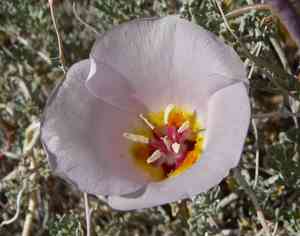
Winding mariposa lily (Calochortus flexuosus)
Also known as: Winding Mariposa Lily
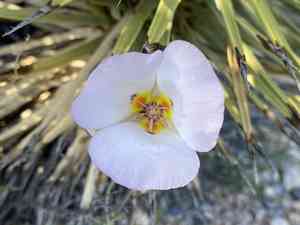
The winding mariposa lily (Calochortus flexuosus) typically blooms in late spring and early summer, making this the ideal time for viewing. Its striking white or pink flowers are most easily spotted in its native habitats, which include grasslands, deserts, and dry scrubs of the southeastern United States and northern Mexico.
In This Article
Attributes of Winding mariposa lily
Lifespan
Perennial
Plant Type
Herb, Vine
Plant Height
46 cm
Spread
10-20 cm
Leaf Color
Green
Flower Size
3-5 cm
Flower Color
White Yellow Pink Purple
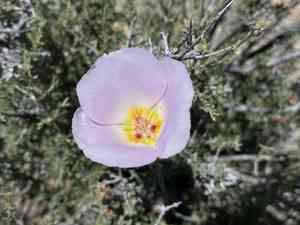
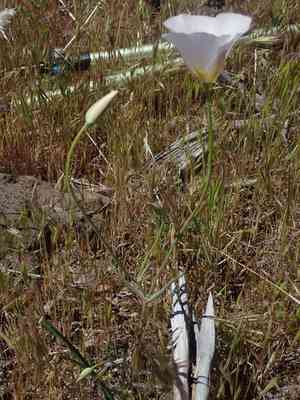
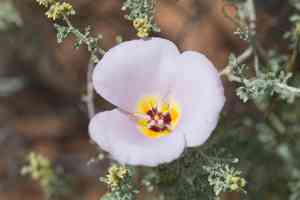
Images of Winding mariposa lily
Quickly Identify Winding mariposa lily
1
Identify Calochortus flexuosus by its wiry, often zigzagging stems, narrow leaves, and distinctive cup-shaped flowers. The flowers typically have three petals and three sepals and are found predominantly in arid desert regions.
Scientific Classification of Winding mariposa lily
Phylum
Vascular plants
Class
Monocotyledons
Order
Liliales
Family
Lily
Genus
Mariposas
Species
Winding mariposa lily
Planting and Growing of Winding mariposa lily
Care Difficulty
Easy
Watering Schedule
Every 2 days
Sunlight Requirements
Full sun
Sunshine Duration
4-8 hours
Ideal Temperature
60-75℉
Soil Type
Potting Mix, Peat Mix
Soil pH
6.5-7.5
Fertilizer Type
Balanced
Pruning Season
Spring, Summer
Pruning Area
Branches, Leaves
Pruning Frequency
2 times a year
Repotting Season
Spring
Pot Type
Plastic, Ceramic
 How to Water Winding mariposa lily?
Calochortus flexuosus prefers to stay on the drier side, as it is native to arid regions. When watering, aim to provide about 250 milliliters per session. The key is to ensure the soil is completely moistened but not soggy, allowing the water to drain thoroughly to avoid root rot.
What are the symptoms of an underwatered Winding mariposa lily?
›
What should I do if my Winding mariposa lily is not getting enough water?
›
What are the symptoms of an overwatered Winding mariposa lily?
›
How to save an overwatered Winding mariposa lily?
›
 What Are the Sunlight Requirements for Winding mariposa lily?
Full sun to partial sun is preferred. Adequate light promotes healthy flowering, strong stems, and vibrant leaf coloration, instrumental for overall plant development and resistance to diseases.
More About Sunlight Requirements Techniques→
How to achieve ideal lighting conditions?
›
Specific measures to ensure ideal sunlight?
›
What are the benefits of achieving ideal sunlight for the plant?
›
 What Is the Ideal Temperature Range for Winding mariposa lily?
Calochortus flexuosus thrives best in temperatures ranging from 60°F to 75°F. This range provides the necessary warmth while not exposing the plant to extreme heat that could stress it. During this temperature range, the plant can efficiently carry out photosynthesis and other metabolic processes, promoting healthy growth and blooming.
 What Soil is Best for Winding mariposa lily?
Calochortus flexuosus thrives in well-drained soil that prevents waterlogging, aiding in root health and reducing the risk of root rot. It ensures the plant's ability to absorb necessary nutrients effectively. This plant benefits from a nutrient-rich medium that supports its growth and flowering. A balanced mix of organic matter enhances soil fertility, thus promoting vigorous growth and colorful blooms. Aerated soil is crucial for maintaining healthy airflow around the roots. It facilitates better gas exchange and root expansion, leading to improved plant vigor and resilience against environmental stress.
 How to Fertilize Winding mariposa lily?
For Calochortus flexuosus, use a balanced fertilizer diluted to half strength for liquid applications. Apply about 1/4 teaspoon of slow-release granular fertilizer per square foot in spring to avoid nutrient overload.
 How to Prune Winding mariposa lily?
Begin by examining your Calochortus flexuosus for any dead or damaged foliage. Carefully remove these parts close to the base, encouraging the plant to focus energy on healthy growth. Trim back leggy stems just above a node. This encourages lateral growth and results in a bushier appearance, which can enhance the plant's overall aesthetic.
More About Pruning Techniques→
 How to Propagate Winding mariposa lily plant?
1
Begin with collecting fresh seeds and soaking them in lukewarm water overnight. This step is crucial to soften the seed coat, improving chances of successful germination.
2
Fill a seed tray with a well-draining potting mix. Sow the seeds on the surface and lightly cover them with a thin layer of sand or vermiculite, which will help maintain moisture.
3
Place the tray in a warm location with indirect light. Maintain the temperature around 60-70°F (15-21°C) to encourage germination, and ensure consistent moisture levels without waterlogging.
 How to Repot Winding mariposa lily plant?
1
Calochortus flexuosus signals its need for repotting through a few distinct signs. If you notice the bulb's growth stalling, roots tightly filling the pot, or drainage becoming an issue, it’s time for a new home. The ideal time to repot is at the onset of spring or during autumn, when the plant's active period begins or ends.
2
Select a pot that is just one size larger than the current one. Ensure it has ample drainage holes to prevent waterlogging. Terracotta pots are highly recommended since they allow the soil to breathe, reducing the risk of bulb rot. The pot should support the plant's top-heavy nature, providing stability as it grows.
3
Opt for a well-draining sandy soil mix that mimics the Calochortus flexuosus' natural habitat. This type of soil ensures excess water can escape, reducing the risk of root rot. Incorporating some organic matter can also help retain necessary nutrients while maintaining the airy structure valuable to these desert-dwelling bulbs.



