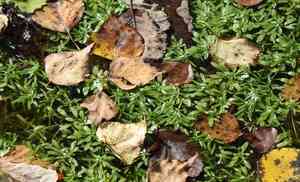
Water-Starwort (Callitriche) (Callitriche)
Also known as: Water-starwort
Water-Starwort, native to North and South America, are versatile aquatic herbs that thrive in various water conditions, from fully submerged to intermittently dry areas. Researchers suggest that these plants could play a role in mitigating river pollution. They are capable of absorbing and accumulating toxic metals, thereby purifying the water by extracting harmful substances from their environment.
In This Article
Attributes of Water-Starwort (Callitriche)
Lifespan
Annual, Perennial
Plant Height
Varies, usually up to 30 cm
Spread
N/A (not applicable for this aquatic plant)
Leaf Color
Green
Flower Size
Very small, less than 1 mm
Flower Color
Usually inconspicuous, greenish or white
Images of Water-Starwort (Callitriche)
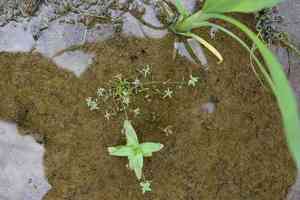
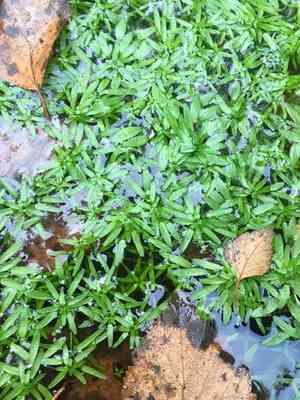
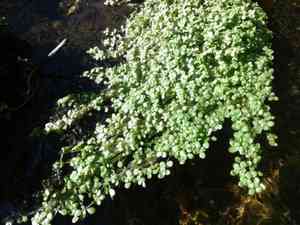
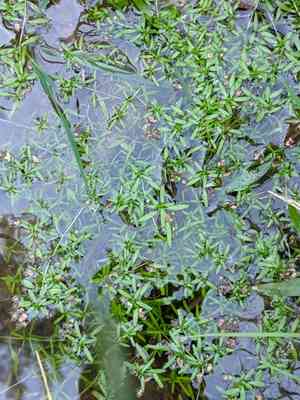
Quickly Identify Water-Starwort (Callitriche)
1
Identification of Callitriche species typically involves examining the leaves\' shape and arrangement, which can vary between species. In addition, the presence of floating or submerged leaves can aid in identification. The flowers are minute and often require a close examination to identify.
Scientific Classification of Water-Starwort (Callitriche)
Phylum
Tracheophyta
Class
Magnoliopsida
Order
Lamiales
Family
Plantaginaceae
Genus
Callitriche
Planting and Growing of Water-Starwort (Callitriche)
Care Difficulty
Easy
Watering Schedule
Every 4 days
Sunlight Requirements
Partial sun
Sunshine Duration
4-8 hours
Ideal Temperature
60-75℉
Soil Type
Potting Mix, Peat Mix
Soil pH
6-8
Fertilizer Type
Balanced
Pruning Season
Spring, Summer
Pruning Area
Branches, Leaves
Pruning Frequency
2 times a year
Repotting Season
Spring
Pot Type
Terracotta, Plastic
 How to Water Water-Starwort (Callitriche)?
The amount of water needed for Callitriche, also known as water starwort, should generally be guided by the moisture level of the substrate. Aim to saturate the soil thoroughly but ensure it is not waterlogged. Using about 200ml each time should suffice for smaller containers; adjust accordingly for larger ones.
What are the symptoms of an underwatered Water-Starwort (Callitriche)?
›
What should I do if my Water-Starwort (Callitriche) is not getting enough water?
›
What are the symptoms of an overwatered Water-Starwort (Callitriche)?
›
How to save an overwatered Water-Starwort (Callitriche)?
›
 What Are the Sunlight Requirements for Water-Starwort (Callitriche)?
Partial sun to full sun exposure allows Callitriche to maintain vigorous growth and lush foliage, supporting its natural habitat conditions for optimal health.
What is the optimal sunlight for Callitriche?
›
How to ensure Callitriche receives enough light?
›
What benefits does Callitriche gain from appropriate lighting?
›
 What Is the Ideal Temperature Range for Water-Starwort (Callitriche)?
Callitriche thrives best in environments where the temperature consistently ranges between 60°F and 75°F. This range ensures optimal growth by allowing enzymatic processes in the plant to occur efficiently while minimizing stress. This moderate temperature range supports healthy leaf development and photosynthetic activity, crucial for the plant's overall well-being.
 What Soil is Best for Water-Starwort (Callitriche)?
Callitriche prefers moist environments, making water retention a key soil requirement. The soil should be able to hold moisture, which supports the plant's growth by mimicking its natural aquatic or semi-aquatic habitat. Fertile soils sufficiently rich in organic matter are crucial. Nutrients from loamy and peat soils promote robust growth and vibrant leaf colors, essential for photosynthesis and vigor. While moisture is crucial, the soil should not be compacted. Excellent aeration ensures the roots receive oxygen, facilitating healthy root development and preventing root rot.
 How to Fertilize Water-Starwort (Callitriche)?
Callitriche generally requires minimal fertilization due to its aquatic nature and ability to absorb nutrients from the water. For liquid fertilizers, dilute a balanced formula to half strength and apply 5 ml per 10 liters of water to avoid over-fertilization.
 How to Prune Water-Starwort (Callitriche)?
Start by identifying areas of the plant that look overgrown or unkempt. These are usually the parts where leaves are densely packed or stems have grown erratically. Concentrate pruning efforts in these sections for best results. Ensure that any tools you use, such as scissors or pruning shears, are sharp and clean. Sharp tools make clean cuts, which heal faster and reduce the risk of infection. Clean your tools before and after use to maintain plant health. Trim the plant by making small cuts at a time, gradually shaping it as you proceed. Focus on removing any dead, damaged, or diseased stems to improve overall plant health and encourage new, vigorous growth.
 How to Propagate Water-Starwort (Callitriche) plant?
1
Start by soaking the Callitriche seeds in water for 24 hours to improve germination rates. After soaking, plant the seeds in a prepared seedling tray filled with a mix of peat and sand.
2
Select a healthy stem from the parent plant that is at least 4 inches long. Cut just below a node with pruning shears, and remove any leaves from the lower half of the cutting.
3
Healthy root segments can also be used. Take a portion of the root in late spring and plant it horizontally in moist soil, ensuring the upper portion of the root is just covered.
 How to Repot Water-Starwort (Callitriche) plant?
1
Look for signals like roots growing out of the drainage holes or slow growth despite adequate water and light. These are signs that your Callitriche needs more space to grow.
2
Select a pot that is one size larger than the current one, with good drainage holes. This ensures enough space for growth while preventing waterlogging, crucial for healthy Callitriche development.
3
Opt for a moist, sandy loam mix to mimic the natural habitat of Callitriche. This offers good drainage and retains sufficient moisture to support the plant's needs, preventing root rot.

