
Gray bottlebrush (Callistemon speciosus)
Also known as: Bottlebrush
The gray bottlebrush (Callistemon speciosus) is a notable flowering shrub in the myrtle family, celebrated for its distinctive, cylindrical red flower spikes that resemble bottle-cleaning brushes due to their long, straight stamens. These eye-catching blooms, typically appearing from mid-spring to early summer, make the plant a favorite in ornamental gardening. Its unique appearance, coupled with its hardy nature and low maintenance requirements, enhances its appeal for gardeners and landscapers.
In This Article
Attributes of Gray bottlebrush
Lifespan
Perennial
Plant Height
2 to 4 meters (6.5 to 13 feet)
Spread
2 to 3 meters (6.5 to 10 feet)
Leaf Color
Green
Flower Size
5 to 10 cm (2 to 4 inches)
Flower Color
Red, Pink, Purple, White
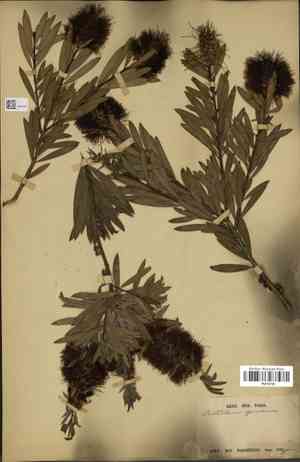
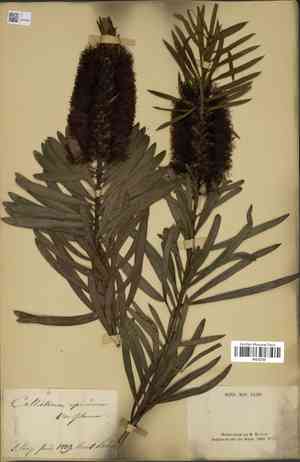
Images of Gray bottlebrush


Quickly Identify Gray bottlebrush
1
Look for its distinctive, cylindrical flower spikes and narrow, pointed leaves. The plant has a woody stem and typically blooms in spring and early summer. Its flowers are densely packed with stamens, giving it a \'brush\' appearance.
Scientific Classification of Gray bottlebrush
Phylum
Vascular plants
Class
Dicotyledons
Order
Myrtales
Family
Myrtle
Genus
Bottlebrushes
Species
Gray bottlebrush
Planting and Growing of Gray bottlebrush
Care Difficulty
Easy
Watering Schedule
Every 3 days
Sunlight Requirements
Full sun
Sunshine Duration
6-8 hours
Ideal Temperature
65-75℉
Soil Type
Potting Mix, Peat Mix
Soil pH
6.5-7.5
Fertilizer Type
Balanced
Pruning Season
Spring, Summer
Pruning Area
Branches, Leaves
Pruning Frequency
2 times a year
Repotting Season
Spring
Pot Type
Plastic, Ceramic
 How to Water Gray bottlebrush?
When watering Callistemon speciosus, aim to soak the soil until water begins to drain from the bottom. This ensures the water reaches the root zone. Using approximately 500 milliliters per session allows for optimal soil moisture without creating waterlogged conditions.
What are the symptoms of an underwatered Gray bottlebrush?
›
What should I do if my Gray bottlebrush is not getting enough water?
›
What are the symptoms of an overwatered Gray bottlebrush?
›
How to save an overwatered Gray bottlebrush?
›
 What Are the Sunlight Requirements for Gray bottlebrush?
Callistemon speciosus prefers full sun. Consistent full sun exposure enhances flowering and vigor, supporting its robust growth and maintaining vibrant health.
Is full sun necessary for Callistemon speciosus?
›
How can we ensure ideal lighting conditions for it?
›
What benefits does ideal lighting provide?
›
 What Is the Ideal Temperature Range for Gray bottlebrush?
The ideal temperature range for Callistemon speciosus is between 65 to 75 degrees Fahrenheit. Keeping the plant within this range ensures optimal growth and flowering. This range is typically reflective of mild climates where the plant's natural habitat is found. Maintaining a consistent temperature within this range prevents stress and promotes vibrant growth.
 What Soil is Best for Gray bottlebrush?
Callistemon speciosus thrives best in well-drained soil that prevents waterlogging. Good drainage is crucial as it allows excess water to flow away from the roots, preventing root rot and ensuring healthy plant growth. This plant prefers soil that is rich in nutrients, which promotes vibrant blooms and strong overall growth. Adding organic matter or compost can enhance soil fertility and provide essential nutrients to the plant. While drainage is important, the soil should also retain enough moisture to support Callistemon speciosus during dry spells. This balance ensures that the plant has access to water without being over-saturated.
 How to Fertilize Gray bottlebrush?
Callistemon speciosus, commonly known as the bottlebrush plant, requires moderate fertilization to thrive. It's recommended to apply approximately 100 grams of balanced liquid fertilizer per application, while ensuring not to exceed this amount to prevent over-fertilization. For slow-release granular fertilizers, distribute about 200 grams evenly around the base of the plant per application.
 How to Prune Gray bottlebrush?
Start by examining the plant for any dead or diseased branches and remove them completely. Use sharp, clean shears to make clean cuts above a leaf node or bud. Aim to maintain an open shape to improve air circulation and sunlight penetration. To maintain its attractive shape, prune branches that seem wayward or longer than the others. Cut them back to a side branch or the main trunk, depending on how much you want to trim the plant's overall size.
More About Pruning Techniques→
 How to Propagate Gray bottlebrush plant?
1
Begin by filling seed trays with a well-draining soil mix. Sow the Callistemon speciosus seeds evenly, covering them lightly with soil. Water gently to keep the soil moist but not waterlogged.
2
Select healthy, semi-mature wood from the Callistemon speciosus plant. Using pruning shears, cut lengths of about 10cm. Make a clean cut just below a leaf node to encourage rooting.
3
Dip the cut end of the cutting into rooting hormone to enhance root development. Place the cuttings into a pot filled with a suitable propagation mix, ensuring the leaves are not buried.
 How to Repot Gray bottlebrush plant?
1
Repotting should be done when the Callistemon speciosus shows signs of being root-bound, such as roots growing out of the drainage holes or sluggish growth. Spring and early summer are optimal as the plant naturally enters a growth phase with warmer temperatures and abundant light.
2
Select a pot that is one or two sizes larger than the current one. Ensure it has adequate drainage holes to prevent waterlogging. A slightly bigger pot gives enough room for the roots to spread, promoting healthy growth while minimizing the risk of overwatering.
3
Choose a well-draining acidic soil to mimic the plant's natural habitat. A mix containing sand, peat, and a touch of perlite or pine bark enhances drainage and ensures proper aeration, helping prevent root rot and keeping the plant thriving.



