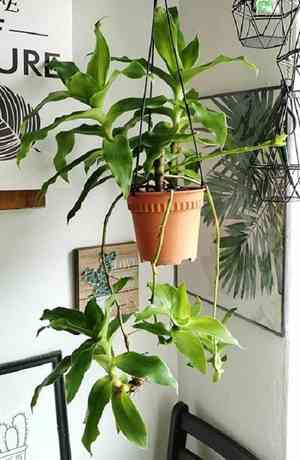
Basket plant (Callisia fragrans)
Also known as: Chain plant, Octopus plant
The basket plant is a popular houseplant known for its low light requirements. It typically has small, fragrant white flowers. When exposed to intense sunlight, its leaves often take on a purplish hue.
Attributes of Basket plant
Images of Basket plant
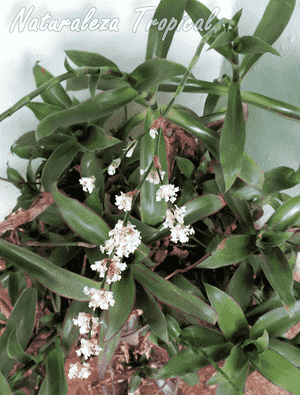
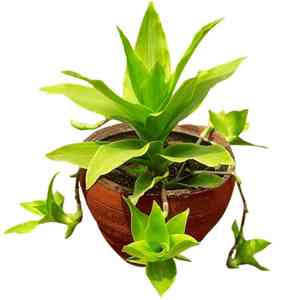
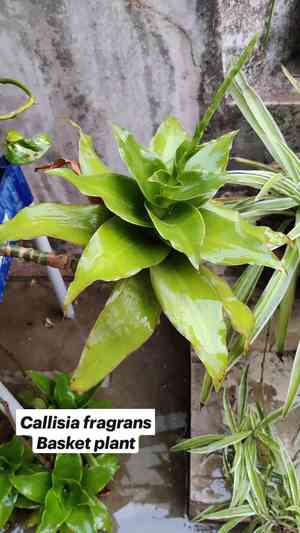
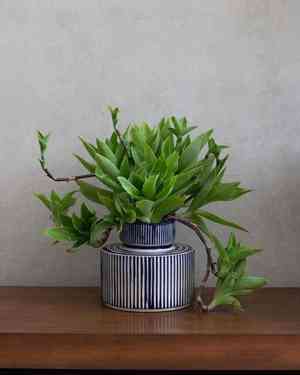
Quickly Identify Basket plant
Scientific Classification of Basket plant
Planting and Growing of Basket plant
 How to Water Basket plant?
 What Are the Sunlight Requirements for Basket plant?
 What Is the Ideal Temperature Range for Basket plant?
 What Soil is Best for Basket plant?
 How to Fertilize Basket plant?
 How to Prune Basket plant?
 How to Propagate Basket plant plant?
 How to Repot Basket plant plant?
Toxicity of Basket plant
Is Basket plant toxic to cat?
The basket plant poses a toxicity risk to cats. When felines consume or come into contact with various parts of this plant, particularly its sap or juice, they may experience poisoning symptoms. Signs of physical discomfort in a cat can signal potential poisoning. While the specific toxins in the plant are not identified, the effects of ingestion can be severe. Given the associated health hazards, it is crucial for cat owners to restrict their pets' access to the basket plant and to obtain prompt veterinary assistance if they suspect poisoning, in order to safeguard the cat's health.
Is Basket plant toxic to dog?
The basket plant is regarded as toxic to dogs. If dogs happen to consume this plant, particularly its sap or juice, they face the risk of poisoning. This situation usually arises when a dog inadvertently eats parts of the basket plant. Upon ingestion, a dog may display a range of symptoms that signal poisoning. These symptoms can encompass vomiting, diarrhea, lethargy, and other indicators of distress. It is essential for dog owners to vigilantly observe their pets and restrict access to the basket plant to lessen the chances of accidental ingestion. Should a dog ingest the basket plant, it is vital to seek immediate veterinary assistance to ensure the optimal outcome for the affected animal.



