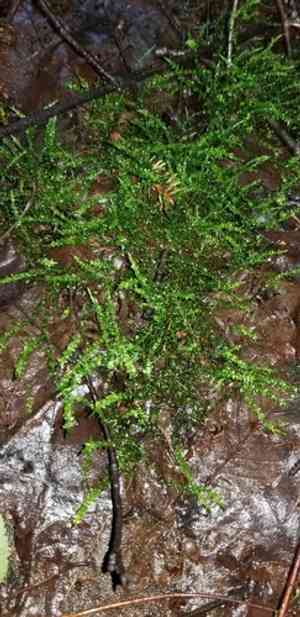
Calliergon moss (Calliergon cordifolium)
Also known as: None
Spore-bearing capsules of Calliergon cordifolium are infrequently observed and are typically found only in the spring or summer. The spores themselves are around 10 to 16 micrometers in diameter. This moss can be confused with other species such as Calliergon giganteum, Calliergonella cuspidata, Straminergon stramineum, and Pseudocalliergon trifarium.
In This Article
Attributes of Calliergon moss
Lifespan
Perennial
Plant Type
Moss
Plant Height
Up to 10 cm
Spread
NA
Leaf Color
Pale to dark green
Flower Size
NA
Flower Color
NA
Images of Calliergon moss
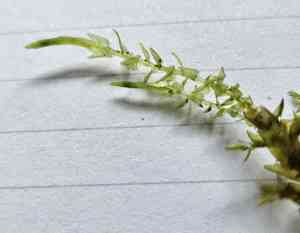
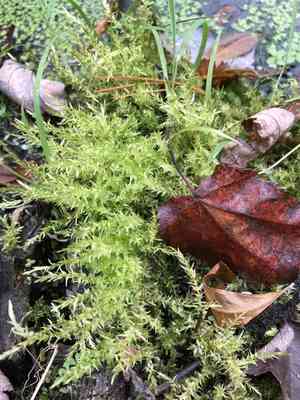
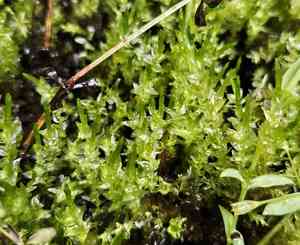
Quickly Identify Calliergon moss
1
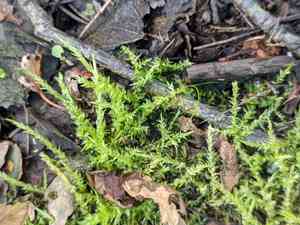
Calliergon cordifolium can be identified by its medium to large, pale to dark green shoots that are typically sprawling. The leaves are heart-shaped with a prominent midrib, and the stem is reddish-brown. The species often forms loose mats or can be found intertwining with other mosses.
Scientific Classification of Calliergon moss
Phylum
Mosses
Class
True mosses
Order
Hypnales
Family
Amblystegiaceae
Genus
Calliergon moss
Species
Calliergon moss
Planting and Growing of Calliergon moss
Care Difficulty
Easy
Watering Schedule
Every 4 days
Sunlight Requirements
Partial sun
Sunshine Duration
4-8 hours
Ideal Temperature
50-68℉
Soil Type
Potting Mix, Peat Mix
Soil pH
6.5-7.5
Fertilizer Type
Balanced
Pruning Season
Spring, Summer
Pruning Area
Branches, Leaves
Pruning Frequency
2 times a year
Repotting Season
Spring
Pot Type
Plastic, Ceramic
 How to Water Calliergon moss?
Calliergon cordifolium requires a careful balance in watering. Ensure the soil is consistently moist but never waterlogged. Approximately 150 ml per watering is ideal, focusing on keeping the soil evenly hydrated rather than sopping wet.
What are the symptoms of an underwatered Calliergon moss?
›
What should I do if my Calliergon moss is not getting enough water?
›
What are the symptoms of an overwatered Calliergon moss?
›
How to save an overwatered Calliergon moss?
›
 What Are the Sunlight Requirements for Calliergon moss?
Partial sun exposure or full shade is ideal. This prevents dehydration and sunburn, while also supporting photosynthetic efficiency and robust foliage development.
What type of lighting does Calliergon cordifolium prefer?
›
How can you achieve optimal lighting for this plant?
›
What benefits does optimal lighting provide?
›
 What Is the Ideal Temperature Range for Calliergon moss?
The ideal temperature range for Calliergon cordifolium is between 50°F and 68°F. This temperature range ensures optimal photosynthesis rates, nutrient absorption, and overall metabolic activity, promoting healthy growth.
 What Soil is Best for Calliergon moss?
Calliergon cordifolium thrives best in soils that retain moisture well, such as peat soil. This type of soil prevents the plant from drying out, especially during hot weather, ensuring a lush, green appearance. Rich organic matter in the soil provides essential nutrients to Calliergon cordifolium, promoting vigorous growth. Loamy soil, with its nutrient density and proper aeration, is ideal for supporting this plant's health. Well-aerated soil is crucial for Calliergon cordifolium as it ensures that roots receive enough oxygen while avoiding waterlogging. This enhances root development and overall plant robustness.
 How to Fertilize Calliergon moss?
For Calliergon cordifolium, it's important to use a balanced amount of fertilizer, typically not exceeding ¼ strength dissolved in water for liquid fertilizers. This is to make sure that the sensitive moss receives enough nutrients without going overboard, which could harm its delicate system.
 How to Prune Calliergon moss?
Begin by identifying any dead or brown areas of the moss that need removal. Gently lift the moss to expose the stems and use your scissors to snip away dead stems at the base. Trim back healthy growth lightly to encourage bushiness, being careful not to remove more than a third of the plant at a time. While the heart-leaved moss benefits from regular trimming, over-pruning can weaken the plant. Always leave enough green, healthy foliage for photosynthesis and nutrient production. Monitoring the plant's recovery rate after pruning can guide future pruning sessions.
 How to Propagate Calliergon moss plant?
1
Select a shaded, moist area with nutrient-rich soil. Clear the area of debris and unwanted vegetation to ensure a conducive environment for growth. This encourages new divisions to establish more effectively.
2
Carefully dig up the moss clumps using a garden spade. Gently shake off excess soil and divide the clumps into sections, ensuring that each section has a sufficient number of rhizoids for growth.
3
Replant the divided clumps into the prepared area. Ensure that they are placed at the same depth as they were originally growing. Water thoroughly to settle the moss and remove air pockets.
 How to Repot Calliergon moss plant?
1
Calliergon cordifolium should be repotted when its growth appears stunted, or if you notice roots protruding from the drainage holes. These are clear signals indicating the plant needs more space. Spring or early summer, when the plant is actively growing, is the best time to undertake this task, ensuring minimal stress for the plant.
2
Opt for a pot that provides adequate drainage, such as one with multiple holes at the bottom. The new pot should be slightly larger than the previous one to offer enough room for root expansion. A good choice would be a breathable material like terracotta, which helps regulate moisture levels and prevents waterlogging, offering optimal conditions for healthy moss growth.
3
Choose a soil that retains moisture well but still allows for proper drainage. A mix rich in organic matter, with components like peat moss and perlite, is ideal for Calliergon cordifolium. This type of soil mimics its natural, moist habitats, providing the necessary nutrients while preventing the roots from sitting in water, thus ensuring vigorous growth.

