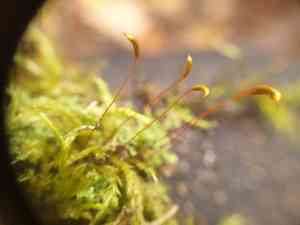
Callicladium moss (Callicladium haldanianum)
Also known as: Haldane's fern moss
Callicladium moss stands out with its rich, green hue and dense, soft mats that often carpet forest floors. It thrives in shaded, damp settings, such as woodlands and near streams. This moss is easily identified by its feathery, branched structure, which aids in water and nutrient absorption—essential for its survival in the competitive forest understory.
In This Article
Attributes of Callicladium moss
Lifespan
Perennial
Plant Type
Moss
Plant Height
3-10 cm
Spread
N/A
Leaf Color
Green
Flower Size
N/A
Flower Color
N/A
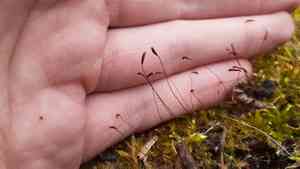
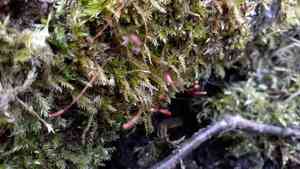
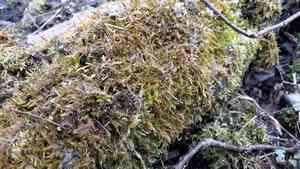
Images of Callicladium moss

Quickly Identify Callicladium moss
1
Identification of Callicladium haldanianum involves noting its densely packed, fern-like branches and its preference for growing in moist and shaded environments. The leaves are lanceolate to ovate with a finely serrated margin.
Scientific Classification of Callicladium moss
Phylum
Mosses
Class
True mosses
Order
Hypnales
Family
Hypnaceae
Genus
Callicladium moss
Species
Callicladium moss
Planting and Growing of Callicladium moss
Care Difficulty
Hard
Watering Schedule
Every 3 days
Sunlight Requirements
Partial sun
Sunshine Duration
4-8 hours
Ideal Temperature
65-77℉
Soil Type
Potting Mix, Peat Mix
Soil pH
5.5-6.5
Fertilizer Type
Balanced
Pruning Season
Spring, Summer
Pruning Area
Branches, Leaves
Pruning Frequency
2 times a year
Repotting Season
Spring
Pot Type
Ceramic, Plastic
 How to Water Callicladium moss?
Callicladium haldanianum requires a moderate amount of water, typically around 500 milliliters per watering session. It's important to ensure the water reaches the root zone without causing waterlogging. This plant thrives on a consistent moisture level, so ensure the soil is evenly moist but not soggy.
What are the symptoms of an underwatered Callicladium moss?
›
What should I do if my Callicladium moss is not getting enough water?
›
What are the symptoms of an overwatered Callicladium moss?
›
How to save an overwatered Callicladium moss?
›
 What Are the Sunlight Requirements for Callicladium moss?
Callicladium haldanianum prospers in an environment offering partial sun or full shade. Ideally, it enjoys 2 to 4 hours of dappled light, which promotes robust foliage without risking stress or dehydration.
How much light does it need?
›
Should I move it seasonally?
›
What if the light levels change?
›
 What Is the Ideal Temperature Range for Callicladium moss?
The ideal temperature range for Callicladium haldanianum is between 65°F and 77°F. This range generally supports optimal growth and helps maintain the plant's natural metabolic processes. Consistent exposure to these temperatures promotes vibrant foliage and robust health.
 What Soil is Best for Callicladium moss?
Callicladium haldanianum thrives in soils that retain moisture but are well-drained. Ensuring the soil can hold adequate moisture is crucial, as it supports the plant's consistent hydration needs, leading to richer and denser foliage. This plant prefers soils that are rich in organic matter. High nutrient levels provide the necessary minerals for vibrant growth, resulting in more robust and healthy development. Callicladium haldanianum is suited for slightly acidic soils, typically with a pH ranging from 5.5 to 6.5. This acidity level helps in absorbing essential nutrients like iron and magnesium, which contribute to the plant's vibrant color.
 How to Fertilize Callicladium moss?
For Callicladium haldanianum, the fertilizer amount should be moderate since it is sensitive to excess nutrients. Use a liquid fertilizer diluted to half strength, ensuring it provides essential nutrients without overwhelming the plant. This helps maintain its vibrant green color and healthy growth.
 How to Prune Callicladium moss?
Begin by identifying dead, diseased, or damaged stems. These should be the first to go as they can harbor pests and diseases, which can spread to healthier parts of the plant. Callicladium haldanianum can benefit from shaping to maintain its aesthetic form. Trim overgrown stems using clean, angled cuts close to a leaf node or bud to promote regrowth. To encourage denser growth, strategically prune some of the longer stems at the center. This allows more light and air to reach the inner branches, stimulating fuller growth.
 How to Propagate Callicladium moss plant?
1
Choose a robust and disease-free moss clump to ensure healthy and vigorous offshoots. Healthy parent plants yield higher quality new plants with better survival rates after propagation.
2
Carefully separate the plant clump into smaller sections, making sure each section has an adequate number of stems and roots attached. It's critical to minimize root damage during division to promote successful reestablishment.
3
Cut small sections of the moss, preferably from the tips, using sterilized shears. Apply rooting hormone to facilitate faster and more stable root development in the post-planting phase.
 How to Repot Callicladium moss plant?
1
Repotting should take place when you notice roots circling the pot's bottom or protruding through drainage holes. This indicates that the plant has outgrown its current container and needs more space to promote healthy growth and prevent root-bound stress.
2
Select a pot that is just one size larger than the current one, preferably with ample drainage holes. This prevents water from pooling and keeps roots healthy. A slightly bigger pot ensures the plant isn't overwhelmed and can gradually adapt to its new space.
3
Choose a soil mix rich in organic matter that drains well, like a blend of peat, bark, and perlite. This type of soil ensures good aeration and prevents root rot while providing adequate nutrients to support the plant's growth.

