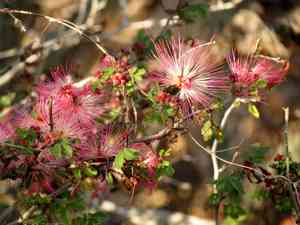
Fairy Duster (Calliandra eriophylla)
Also known as: Mesquitella, False Mesquite, Pink-flowered Acacia, Stickpea
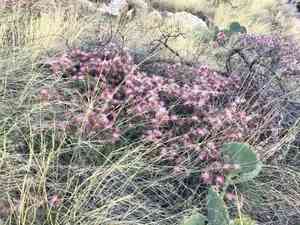
The Fairy Duster, scientifically known as Calliandra eriophylla, is a flowering shrub indigenous to the deserts of Mexico and the southwestern United States. Its eye-catching flowers feature dense clusters of elongated pink stamens. This characteristic not only inspires its common name but also its genus name, Calliandra, which translates to "beautiful stamens." Additionally, this plant plays a crucial role as a nectar source for bees, butterflies, and hummingbirds.
In This Article
Attributes of Fairy Duster
Lifespan
Perennial
Plant Type
Shrub
Plant Height
30 cm to 91 cm
Spread
2 m
Leaf Color
Green
Flower Size
2.5 cm to 5 cm
Flower Color
Pink Purple White
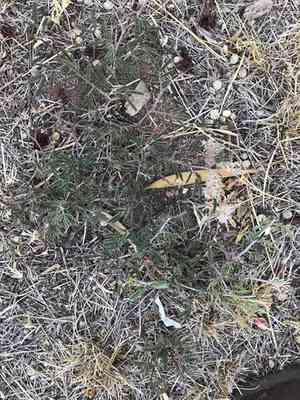
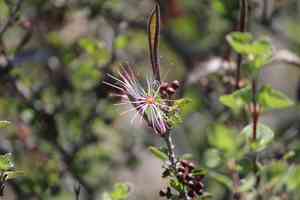
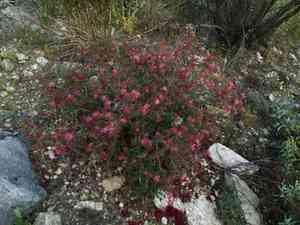
Images of Fairy Duster
Quickly Identify Fairy Duster
1
This plant can be identified by its bipinnately compound leaves, which close up at night or during extreme weather. The distinctive pink to red flower clusters look like small, fluffy dusters. The shrub typically reaches a height of 2 to 3 feet.
Scientific Classification of Fairy Duster
Phylum
Vascular plants
Class
Dicotyledons
Order
Fabales
Family
Legume
Genus
Powder puff plant
Species
Fairy Duster
Planting and Growing of Fairy Duster
Care Difficulty
Easy
Watering Schedule
Every 2 days
Sunlight Requirements
Full sun
Sunshine Duration
4-8 hours
Ideal Temperature
65-85℉
Soil Type
Potting Mix, Peat Mix
Soil pH
6.5-7.5
Fertilizer Type
Balanced
Pruning Season
Spring, Summer
Pruning Area
Branches, Leaves
Pruning Frequency
2 times a year
Repotting Season
Spring
Pot Type
Plastic, Ceramic
 How to Water Fairy Duster?
For Calliandra eriophylla, ensure the soil is soaked but not waterlogged. You should aim for about 500 ml of water at each watering session. The goal is to mimic its natural semi-arid environment where the plant receives occasional heavy rainfall rather than frequent light showers.
What are the symptoms of an underwatered Fairy Duster?
›
What should I do if my Fairy Duster is not getting enough water?
›
What are the symptoms of an overwatered Fairy Duster?
›
How to save an overwatered Fairy Duster?
›
 What Are the Sunlight Requirements for Fairy Duster?
Calliandra eriophylla flourishes under full sun to partial sun conditions. Achieving ideal light promotes strong structural growth, prolific flowering, and overall enhanced health.
More About Sunlight Requirements Techniques→
What is the optimal lighting environment for Calliandra eriophylla?
›
How can I achieve ideal lighting for my plant?
›
What benefits will my plant gain from ideal lighting?
›
 What Is the Ideal Temperature Range for Fairy Duster?
For Calliandra eriophylla, maintaining a temperature range of 65°F to 85°F is crucial. This range ensures optimal growth and flowering, providing the warmth it requires while preventing stress caused by excessive heat or cold. Consistent temperatures within this range mimic its natural habitat conditions, supporting robust development.
 What Soil is Best for Fairy Duster?
Calliandra eriophylla thrives in well-draining soil that prevents root rot by allowing excess water to escape. This kind of soil emulates its native, arid habitat and ensures that the plant's roots remain healthy and strong. This plant can flourish in nutrient-poor conditions, as its natural habitat does not provide rich soil. Mimicking this environment encourages robust growth and flowering, as too much fertilization can actually hinder its development. A soil pH between 6.5 and 7.5 suits Calliandra eriophylla perfectly, supporting optimal nutrient uptake. This pH range is similar to what the plant encounters in nature, leading to healthier growth and vibrant blooms.
 How to Fertilize Fairy Duster?
For Calliandra eriophylla, use a balanced fertilizer at half the strength recommended for typical plants. A good measure is to dilute about 1 tablespoon of liquid fertilizer in 1 gallon of water. Avoid strong formulations, as they can harm the plant's delicate root systems.
 How to Prune Fairy Duster?
The best time to prune Calliandra eriophylla is during its dormant seasons, particularly in spring and summer, to maximize growth potential and maintain vibrancy. Start by removing dead or diseased branches first, then move to reshape the plant by cutting back any overgrown areas. Make smooth cuts just above leaf nodes to promote new growth.
More About Pruning Techniques→
 How to Propagate Fairy Duster plant?
1
Gather seeds from mature Calliandra eriophylla pods in the spring. Ensure the pods are dry and have naturally opened. This indicates that seeds are ready for collection.
2
Choose healthy, semi-hardwood stems from the mother plant for cuttings. Trim the ends below a node and remove the lower leaves to reduce moisture loss during rooting.
3
Sow seeds in a seed tray with a quality potting mix. Cover lightly with soil, water gently, and keep in a warm, indirect light spot to promote germination.
 How to Repot Fairy Duster plant?
1
Look for signs like roots peeking through drainage holes or the plant becoming top-heavy. Spring and early summer provide optimal growth periods to alleviate transplant shock.
2
Select a pot that is just one size larger than the current one, with ample drainage holes. A slightly larger pot allows room for root growth without waterlogging, promoting healthy development.
3
Opt for well-draining sandy loam that mimics its native desert habitat. This soil mix ensures proper aeration, avoids root rot, and supports the plant's natural growth cycle.
Learn More About Fairy Duster Diseases
Anthracnose
Bacterial Leaf Spot
Bacterial Soft Rot
Bacterial Wilt
Black Spot
Chemical Injury
Crown Gall
Cyst Nematode
Damping-off
Drought Stress
Fusarium Wilt
Gray Mold
Leaf Curl
Leaf Spot
Mosaic
Nutrient Deficiency
Nutrient Toxicity
Powdery Mildew
Root Rot
Root-knot Nematode
Rusts
Sooty Mold
Spider Mites
Temperature Stress
Thrips Damage
White Mold



