
Water Arum (Calla palustris)
Also known as: Water-Dragon, Bog Arum, Calla Lily, Marsh Calla
Water Arum (*Calla palustris*) flourishes in cool, shallow waters typically found in wetlands such as marshes and bogs. The species name "palustris" translates to "of the marsh," indicating its natural habitat. The genus name "Calla" stems from the Greek word "kallos," meaning beauty.
In This Article
Attributes of Water Arum
Lifespan
Perennial
Plant Type
Herb
Plant Height
10 cm to 50 cm
Spread
15 cm to 30 cm
Leaf Color
Green
Flower Size
5 mm to 1 cm
Flower Color
White Yellow Green
Images of Water Arum



Quickly Identify Water Arum
1
Heart-shaped glossy leaves on long stalks directly from the rhizome.
2
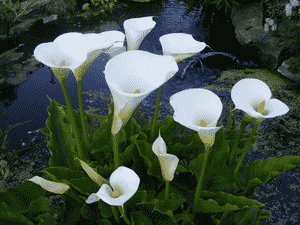
Single flower with greenish spadix, creamy white spathe, and small yellow flowers.
3
Bright red obovoid berries, each approximately 0.5 inches (1.27 cm) in diameter.
4
Smooth, green stem without branching, with petioles 3 to 8 inches (7.6 to 20.3 cm) long.
5
Leaves taper to a narrow point, measure 2 to 4 inches (5 to 10 cm), with curling edges.
Scientific Classification of Water Arum
Phylum
Vascular plants
Class
Monocotyledons
Order
Alismatales
Family
Arum
Genus
Bog arum
Species
Water Arum
Planting and Growing of Water Arum
Care Difficulty
Easy
Watering Schedule
Every 4 days
Sunlight Requirements
Partial sun
Sunshine Duration
4-6 hours
Ideal Temperature
60-75℉
Soil Type
Potting Mix, Peat Mix
Soil pH
5.5-7
Fertilizer Type
Balanced
Pruning Season
Spring, Summer
Pruning Area
Branches, Leaves
Pruning Frequency
2 times a year
Repotting Season
Spring
Pot Type
Plastic, Ceramic
 How to Water Water Arum?
For Calla palustris, it's essential to mimic its natural swampy habitat. This means ensuring the soil is consistently moist but not waterlogged. A good rule of thumb is to water until the topsoil is damp but not soggy, approximately 500ml per watering session.
What are the symptoms of an underwatered Water Arum?
›
What should I do if my Water Arum is not getting enough water?
›
What are the symptoms of an overwatered Water Arum?
›
How to save an overwatered Water Arum?
›
 What Are the Sunlight Requirements for Water Arum?
Calla palustris thrives best under partial sun, ensuring regulated photosynthetic activity and robust growth. This ideal light exposure helps the plant maintain its vibrant appearance and optimal respiratory function.
More About Sunlight Requirements Techniques→
Where does it thrive best?
›
How to achieve optimal lighting?
›
Benefits of ideal light?
›
 What Is the Ideal Temperature Range for Water Arum?
What is the ideal temperature range for Calla palustris? For optimal growth, Calla palustris thrives in moderate temperatures ranging from 60 to 75 degrees Fahrenheit. This range ensures the plant maintains adequate metabolic processes while preventing stress from extreme environmental conditions.
 What Soil is Best for Water Arum?
Calla palustris thrives in soil that can retain moisture well, as it is commonly found in wetlands and marshes. This type of soil ensures that the plant remains hydrated, supporting its lush growth and vibrant foliage, essential for its ornamental and ecological role. The plant benefits from soil rich in organic matter, which can provide essential nutrients. This enhances its growth, leading to healthier plants with more robust flowers. The organic matter also improves soil structure and fertility, crucial for sustained plant health. While moisture retention is critical, the soil must also drain excess water to prevent root rot. A balance between drainage and moisture retention helps maintain the plant’s health and prevents diseases, ensuring the Calla palustris remains vibrant and healthy.
 How to Fertilize Water Arum?
For Calla palustris, the fertilizer amount should be conservative. Use a diluted liquid fertilizer solution at half the recommended strength to prevent nutrient overload. For slow-release fertilizer, use a small quantity, ensuring the granules are spread evenly over the soil surface.
 How to Prune Water Arum?
Start by inspecting the plant for any leaves that are brown, yellow, or limp. Using your shears, cut these leaves back to the base of the plant. Be sure to angle your cuts to prevent water from pooling on cut surfaces, which can lead to rot. After blooming, it's important to remove spent flower stalks to channel the plant's energy back into developing new blooms and foliage. Cut the stalks close to the base once the flower has faded, preventing seed formation and encouraging more robust future growth.
More About Pruning Techniques→
 How to Propagate Water Arum plant?
1
Collect seeds from mature Calla palustris plants. Clean and dry them before planting. Use a good-quality seed starter mix to enhance germination rates, as this mix provides the nutrients and environment needed for seedling development.
2
Locate a mature plant, preferably in early spring when new growth is beginning. Carefully dig up the entire plant to avoid root damage. Use a sterilized knife to cut the rhizome into sections, ensuring each piece has at least one growth node.
3
Plant the seeds or divided sections in the prepared medium. Water them gently to provide enough moisture for root development. Keep the newly planted sections in a bright, indirect light area to promote healthy growth without scorching the young plants.
 How to Repot Water Arum plant?
1
You'll notice your Calla palustris needs repotting when it becomes pot-bound and the roots start emerging from the drainage holes. Other signals include slow growth or when the soil seems to dry out quicker than usual.
2
Select a pot that's 1-2 inches larger than the current one. Ensure it has sufficient drainage holes to prevent waterlogging, which Calla palustris is particularly sensitive to. A slightly open bottom improves aeration, promoting healthier roots.
3
Use a peat-based mix with added sand to ensure excellent drainage while retaining some moisture. This combination ensures the roots have access to air and avoid rot, which is crucial for the health of Calla palustris.
Toxicity
Ingestion
WARNING
The judgment on toxicity and danger is for reference only. We DO NOT GUARANTEE any accuracy of such judgment. Therefore, you SHALL NOT rely on such judgment. It is IMPORTANT TO SEEK PROFESSIONAL ADVICE in advance when necessary.



