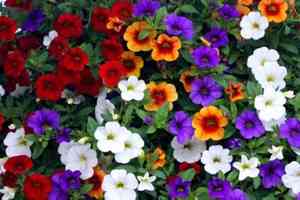
Seaside petunia (Calibrachoa parviflora)
Also known as: Midget petunia
A small wildflower that matches your description is **Seep Monkeyflower (Mimulus guttatus)**. It typically grows in moist environments such as streambanks in desert and wetland regions. This plant features delicate pinkish lavender flowers that bloom in spring and summer, making it an excellent choice for ground cover due to its spreading nature.
In This Article
Attributes of Seaside petunia
Lifespan
Annual, Perennial
Plant Type
Herb
Plant Height
40 cm
Spread
1 m
Leaf Color
Green Blue
Flower Size
2.5 cm to 5 cm
Flower Color
Purple Red
Images of Seaside petunia
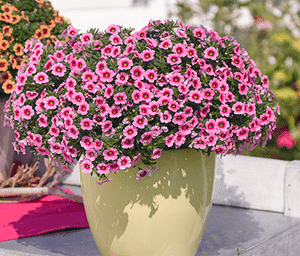
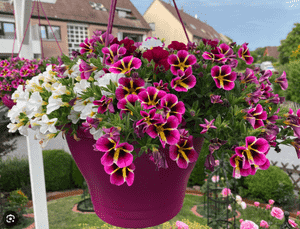
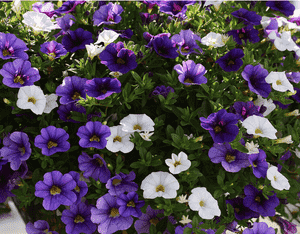
Quickly Identify Seaside petunia
1
Identify Calibrachoa parviflora by its small, funnel-shaped flowers that are typically blue or purple, its trailing growth form, and the slightly sticky texture of its leaves and stems.
Scientific Classification of Seaside petunia
Phylum
Vascular plants
Class
Dicotyledons
Order
Solanales
Family
Nightshade
Genus
Calibrachoa
Species
Seaside petunia
Planting and Growing of Seaside petunia
Care Difficulty
Easy
Watering Schedule
Every 12 days
Sunlight Requirements
Full sun
Sunshine Duration
8-12 hours
Ideal Temperature
65-75℉
Soil Type
Potting Mix, Peat Mix
Soil pH
6.5-7.5
Fertilizer Type
Balanced
Pruning Season
Spring, Summer
Pruning Area
Branches, Leaves
Pruning Frequency
2 times a year
Repotting Season
Spring
Pot Type
Plastic, Ceramic
 How to Water Seaside petunia?
Calibrachoa parviflora requires careful watering to maintain moist but not soggy soil. The ideal amount is about 250ml per session, ensuring the soil remains damp to touch but not waterlogged. A good practice is to water until you see some excess running out from the drainage holes.
What are the symptoms of an underwatered Seaside petunia?
›
What should I do if my Seaside petunia is not getting enough water?
›
What are the symptoms of an overwatered Seaside petunia?
›
How to save an overwatered Seaside petunia?
›
 What Are the Sunlight Requirements for Seaside petunia?
The ideal light range is partial to full sun, where Calibrachoa parviflora can thrive and produce meaningful benefits such as healthy foliage and abundant flowering when properly cared for.
More About Sunlight Requirements Techniques→
What is the best lighting condition for Calibrachoa parviflora?
›
How can one ensure Calibrachoa parviflora receives enough sunlight?
›
What benefits does Calibrachoa parviflora gain from optimal sunlight?
›
 What Is the Ideal Temperature Range for Seaside petunia?
Calibrachoa parviflora thrives best in temperatures ranging from 65°F to 75°F. This range ensures optimal growth and flowering, mimicking their natural environment and providing the warmth they need. Maintaining this temperature range will help the plant develop strong foliage and vibrant, long-lasting blooms.
 What Soil is Best for Seaside petunia?
Calibrachoa parviflora thrives in well-drained soil to prevent root rot and other water-related issues. Good drainage ensures roots can access both nutrients and air efficiently, fostering healthy growth and vibrant blooms. This plant benefits from a nutrient-rich substrate, enhancing growth and flower production. Rich soil can support sustained bloom cycles, ensuring the plant stays healthy and vibrant throughout the growing season. Moderate levels of organic matter in the soil ensure that Calibrachoa parviflora receives a steady supply of nutrients. This condition supports long-term growth and provides a cushion during periods of nutrient scarcity.
 How to Fertilize Seaside petunia?
Calibrachoa parviflora thrives with a balanced nutrient intake. For liquid fertilizers, opt for a 20-20-20 NPK solution, using about 1 tablespoon per gallon of water. For slow-release fertilizers, apply at the rate recommended on the package for similar-sized plants, generally around 1 to 2 ounces per square foot.
 How to Prune Seaside petunia?
Start by identifying faded or spent blooms. Removing these encourages the plant to produce more flowers and maintain its vibrant appearance throughout the season. Prune any leggy or overgrown stems back to a healthy node. This action not only tidies up the plant but also stimulates bushier growth, contributing to a fuller look. Shape the plant by selectively cutting back ungainly branches. This not only enhances its aesthetic appeal but also allows for better air circulation, promoting overall plant health.
More About Pruning Techniques→
 How to Propagate Seaside petunia plant?
1
Use a well-draining potting mix that retains moisture. This could be a mixture of peat and perlite, which supports both cuttings and seed propagation effectively.
2
Select healthy sections of the plant and cut just below a node. Each cutting should be around 4-6 inches long and have a few leaves. Remove leaves from the lower part before planting.
3
Sprinkle seeds over the moist potting mix in seed trays, then lightly cover them with a thin layer of soil. Maintain humidity and warmth to encourage germination.
 How to Repot Seaside petunia plant?
1
Repot Calibrachoa parviflora when you notice roots emerging from the drainage holes or when the plant's growth slows despite adequate care. These are clear signals that it requires more space and nutrients to thrive.
2
Select a pot that is 1-2 inches larger in diameter than the current one. Ensure it has ample drainage holes to prevent waterlogging, which can lead to root rot. A slightly larger pot provides room for root growth and helps maintain moisture balance.
3
Opt for a well-draining potting mix, consisting of peat, perlite, and compost. This combination ensures good aeration, moisture retention, and nutrient supply. Such a mix supports healthy growth and prevents water stagnation at the root level.



