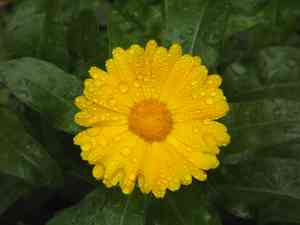
Marigolds (Calendula) (Calendula)
Also known as: Pot Marigold, Poet's Marigold
Marigolds, known for their vibrant yellow and orange hues, have a rich history of use in various ancient cultures. The Aztecs in ancient Mexico utilized marigolds for medicinal purposes, treating skin conditions and inflammation, and incorporated them into religious ceremonies. In India, marigolds have long been a part of Ayurvedic medicine and are integral to religious and festive decorations. Medieval Europeans used marigolds for culinary purposes, wound treatment, and as a natural dye. Today, these flowers are cherished in gardens and continue to be used for their dyeing properties.
In This Article
Attributes of Marigolds (Calendula)
Lifespan
Calendula is generally an annual plant, meaning it completes its life cycle in one growing season.
Plant Height
60 cm
Spread
30 cm
Leaf Color
Green
Flower Size
1-3 inches (2.5-7.6 cm)
Flower Color
Yellow, Orange
Images of Marigolds (Calendula)
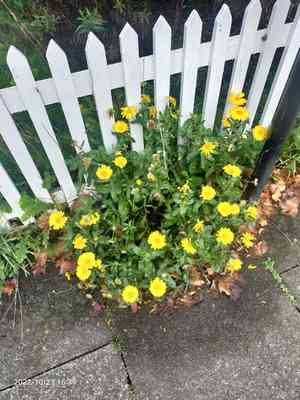

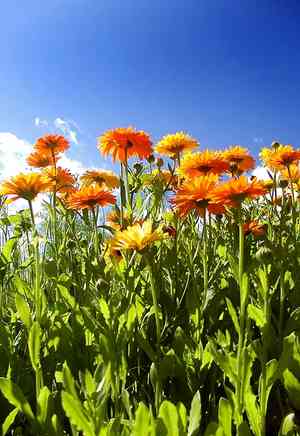
Quickly Identify Marigolds (Calendula)
1
Look for vibrant yellow or orange flowers blooming from early summer to fall. The leaves are usually oblong and slightly aromatic. Calendula has a sticky residue on its stems.
Scientific Classification of Marigolds (Calendula)
Phylum
Tracheophyta
Class
Magnoliopsida
Order
Asterales
Family
Asteraceae
Genus
Calendula
Planting and Growing of Marigolds (Calendula)
Care Difficulty
Easy
Watering Schedule
Every 8 days
Sunlight Requirements
Full sun
Sunshine Duration
6-10 hours
Ideal Temperature
60-70℉
Soil Type
Potting Mix, Peat Mix
Soil pH
6.5-7.5
Fertilizer Type
Balanced
Pruning Season
Spring, Summer
Pruning Area
Branches, Leaves
Pruning Frequency
2 times a year
Repotting Season
Spring
Pot Type
Plastic, Ceramic
 How to Water Marigolds (Calendula)?
Calendula plants thrive with a moderate watering regime where their soil is kept consistently moist but not waterlogged. It's crucial to ensure that the top inch of soil is allowed to dry out between watering sessions. During the growth season, a balancing act is necessary — adequate water fosters vibrant blooms, whereas excess water could lead to root rot.
What are the symptoms of an underwatered Marigolds (Calendula)?
›
What should I do if my Marigolds (Calendula) is not getting enough water?
›
What are the symptoms of an overwatered Marigolds (Calendula)?
›
How to save an overwatered Marigolds (Calendula)?
›
 What Are the Sunlight Requirements for Marigolds (Calendula)?
Calendula ideally requires full to partial sun, thriving best with 6 to 8 hours of sunlight. Proper light exposure ensures vigorous growth, richer blooms, and a stronger immune system against pests.
What is the best lighting for Calendula?
›
How to ensure Calendula gets its ideal sunlight exposure?
›
What are the benefits of providing ideal lighting to Calendula?
›
 What Is the Ideal Temperature Range for Marigolds (Calendula)?
Calendula thrives best in moderate climates. Ideally, the temperature range between 60°F and 70°F provides the most conducive environment for their growth. This range ensures that the plant has sufficient warmth to activate its photosynthesis process without causing stress due to excessive heat or cold. A stable temperature provides the conditions needed for thriving foliage and vibrant flowers.
 What Soil is Best for Marigolds (Calendula)?
Calendula thrives in well-draining soil that prevents root rot and supports healthy root development. This type of soil helps ensure the roots get adequate oxygen and reduces waterlogging, which can be detrimental to the plant's overall health. Loamy soil, being rich in nutrients and organic matter, is ideal for Calendula. It ensures the plant receives the necessary nutrients for robust growth and vibrant blooms, providing a balanced environment for root expansion and moisture retention. The soil should retain moderate moisture without becoming waterlogged. This offers a consistent water supply to the Calendula plants, preventing both drought stress and overwatering, which are crucial for maintaining the plant's vigor and floral production.
 How to Fertilize Marigolds (Calendula)?
Calendula plants generally prefer a balanced amount of nutrients. A typical liquid fertilizer should be diluted to half strength to avoid over-nourishment. For slow-release fertilizers, use a modest amount equally distributed around the base of the plant to support its blooming and growth.
 How to Prune Marigolds (Calendula)?
Begin by inspecting the plant for dead or diseased flowers and stems. Using your scissors, make clean cuts just above a leaf node or set of leaves. This encourages new growth. Next, shape the plant as desired, cutting back stems to encourage bushier growth. Be sure to remove any inward-growing stems to improve air circulation. Remove spent blooms by cutting just below the flower head. Regular deadheading encourages the plant to produce more blooms, extending the flowering season. This simple process also helps the plant focus energy on producing new flowers rather than seeds.
 How to Propagate Marigolds (Calendula) plant?
1
After the blooms fade, allow the seed heads to dry on the plant. Once completely dry, collect the seeds by gently shaking them loose into a container. Store them in a cool, dry place until sowing.
2
Select a healthy, non-flowering shoot and use sharp shears to cut just below a node. Remove lower leaves and dip the end in rooting hormone to promote root growth.
3
Carefully dig up the plant, ensuring minimal root disturbance. Use a sharp spade to divide the plant into smaller sections, each with its own roots and shoots. Replant immediately.
 How to Repot Marigolds (Calendula) plant?
1
Calendula shows signs of needing repotting when you notice roots coming out of the drainage holes, the soil drying out too quickly, or a general slowdown in growth. Spring or early summer is the ideal time, as it coincides with the plant's active growth phase, ensuring it adapts swiftly to the new environment.
2
Select a pot that's 1-2 inches larger in diameter than the current one. Ensure it has adequate drainage holes to prevent waterlogging, which can lead to root rot. A slightly wider pot also provides stability for the plant, especially when it blooms heavily.
3
Opt for a well-draining potting mix to prevent water retention around the roots. A mix containing compost and perlite/vermiculite balances moisture retention and aeration, essential for Calendula's root health, promoting vibrant growth and flowering.
Learn More About Marigolds (Calendula) Diseases
Anthracnose
Bacterial Leaf Spot
Bacterial Soft Rot
Bacterial Wilt
Black Spot
Chemical Injury
Crown Gall
Cyst Nematode
Damping-off
Downy Mildew
Drought Stress
Fusarium Wilt
Gray Mold
Leaf Spot
Mosaic
Nutrient Deficiency
Nutrient Toxicity
Powdery Mildew
Root Rot
Root-knot Nematode
Rusts
Sooty Mold
Spider Mites
Temperature Stress
Thrips Damage
White Mold

