Christmas orchids (Calanthe) (Calanthe)
Also known as: Christmas Orchid
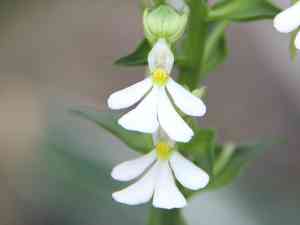
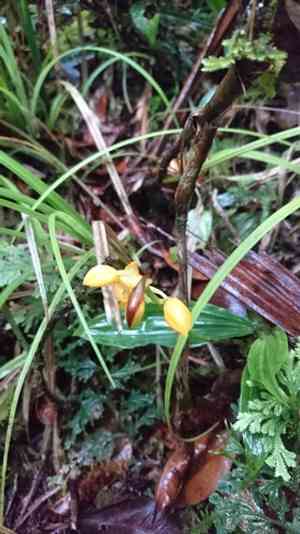
Christmas orchids, belonging to the genus Calanthe, comprise around 220 species within the Orchidaceae family. These orchids can be either evergreen or deciduous terrestrial plants, featuring thick roots and small oval pseudobulbs. Their leaves are large and pleated, while their flowering stems are upright and sometimes arching. The flowers are showy and come in colors like white, pink, yellow, or orange, typically clustered near the end of the stem. The sepals and petals are narrow and similar in size, with the labellum often displaying spreading lobes. Predominantly found in tropical regions, Christmas orchids are especially common in Southeast Asia.
In This Article
Attributes of Christmas orchids (Calanthe)
Lifespan
Perennial
Plant Height
1 to 2 feet (30-60 cm)
Spread
Not applicable, as these are typically single-stemmed orchids
Leaf Color
Green
Flower Size
1 to 2 inches (2.5-5 cm)
Flower Color
White, yellow, pink, red, purple
Images of Christmas orchids (Calanthe)



Quickly Identify Christmas orchids (Calanthe)
1
Calanthe orchids can be identified by their large, pleated leaves and the central spike of flowers which can be white, yellow, pink, red, or purple. Unlike many orchids, they grow in soil and not as epiphytes.
Scientific Classification of Christmas orchids (Calanthe)
Phylum
Magnoliophyta
Class
Monocotyledonae
Order
Asparagales
Family
Orchidaceae
Genus
Calanthe
Planting and Growing of Christmas orchids (Calanthe)
Care Difficulty
Moderate
Watering Schedule
Every 4 days
Sunlight Requirements
Partial sun
Sunshine Duration
6-12 hours
Ideal Temperature
60-75℉
Soil Type
Potting Mix, Peat Mix
Soil pH
6.5-7.5
Fertilizer Type
Balanced
Pruning Season
Spring, Summer
Pruning Area
Branches, Leaves
Pruning Frequency
2 times a year
Repotting Season
Spring
Pot Type
Plastic, Ceramic
 How to Water Christmas orchids (Calanthe)?
The Calanthe orchid requires moderate watering. This means watering until the soil is evenly moist but never waterlogged. Ensure that excess water drains out completely to maintain a healthy root system.
What are the symptoms of an underwatered Christmas orchids (Calanthe)?
›
What should I do if my Christmas orchids (Calanthe) is not getting enough water?
›
What are the symptoms of an overwatered Christmas orchids (Calanthe)?
›
How to save an overwatered Christmas orchids (Calanthe)?
›
 What Are the Sunlight Requirements for Christmas orchids (Calanthe)?
Calanthe thrives in partial sun with ample indirect light. Ideal illumination encourages healthy foliage and robust flowering, preserving the plant's natural beauty and vigor.
How much light does Calanthe need?
›
Where should Calanthe be placed?
›
What are the benefits of ideal lighting for Calanthe?
›
 What Is the Ideal Temperature Range for Christmas orchids (Calanthe)?
The ideal temperature range for Calanthe is between 60°F to 75°F. This range provides the plant with optimal conditions for growth and blooming. Keeping the temperature within this range helps ensure that Calanthe thrives, producing healthy leaves and vibrant flowers.
 What Soil is Best for Christmas orchids (Calanthe)?
Calanthe orchids thrive best in nutrient-rich loamy soils. The fertility of the soil ensures robust growth by supplying essential nutrients required for vegetative and flowering phases, while maintaining good drainage. These plants require well-draining soil to prevent waterlogged conditions which can lead to root rot. Sandy loam soils provide excellent drainage properties, allowing excess water to escape, promoting healthy root development. Calanthe orchids benefit from a soil that retains adequate moisture without becoming soggy. A balanced moisture retention in loam supports optimal hydration levels crucial for consistent growth and flowering.
 How to Fertilize Christmas orchids (Calanthe)?
When fertilizing Calanthe, use a balanced, water-soluble fertilizer; a 20-20-20 mix is ideal. Apply at half the strength recommended on the packaging, as Calanthe orchids are sensitive to fertilization.
 How to Prune Christmas orchids (Calanthe)?
Begin pruning at the start of the growing season in spring or summer. This timing supports new growth while avoiding cold stress. Focus on cutting back to healthy green stems. This practice stimulates robust return growth and prevents the plant from expending energy on unproductive parts. After pruning, water the plant well and consider applying a mild fertilizer. This helps the plant recover and jumpstarts new growth.
 How to Propagate Christmas orchids (Calanthe) plant?
1
Collect mature Calanthe seeds from pods and gently clean them. Allow them to dry completely before sowing to improve germination rates and reduce the risk of mold.
2
Carefully dig up the plant and separate the rhizomes by cutting them with a sterilized knife. Ensure each division has healthy roots and several shoots for best results.
3
For tissue culture, select healthy Calanthe specimens and initiate culture in a sterile lab setting. Use appropriate culture media for optimal growth and multiplication.
 How to Repot Christmas orchids (Calanthe) plant?
1
Calanthe orchids signal the need for repotting when their growth appears stunted, or their roots start protruding from the pot. This typically happens every 2-3 years and coincides with a period when the plant is actively growing, ensuring minimal stress.
2
Select a pot that is only slightly larger than the current one, with ample drainage holes to prevent water from pooling. This allows the roots to breathe and reduces the risk of rot, which is essential for the health of your Calanthe orchid.
3
Opt for a well-draining orchid mix that includes bark, perlite, and charcoal. This kind of soil provides the necessary aeration and moisture retention that cater specifically to the needs of Calanthe orchids, promoting healthy growth.
Learn More About Christmas orchids (Calanthe) Diseases
Anthracnose
Bacterial Leaf Spot
Bacterial Soft Rot
Bacterial Wilt
Black Spot
Chemical Injury
Crown Gall
Cyst Nematode
Damping-off
Downy Mildew
Drought Stress
Fusarium Wilt
Gray Mold
Leaf Spot
Mosaic
Nutrient Deficiency
Nutrient Toxicity
Powdery Mildew
Root Rot
Root-knot Nematode
Rusts
Sooty Mold
Spider Mites
Temperature Stress
Thrips Damage
White Mold

