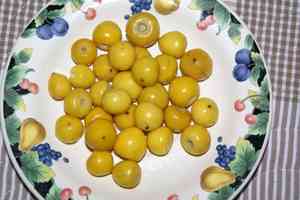
Maricao cimun (Byrsonima crassifolia)
Also known as: Nance, Golden Spoon, Hogberry, Murici
The Maricao cimun tree, prevalent in South America, serves multiple purposes:
1. **Fruit**: The tree produces fruits that are widely consumed by locals and also used in making carbonated drinks.
2. **Tannin Source**: Its fruits have a high tannin content, which is employed in the dyeing of cotton fabrics.
3. **Fishing Aid**: Branches of the tree are sometimes used in water bodies to temporarily stun fish, making them easier to catch.
These diverse applications underscore the tree's importance in both daily life and various industries.
In This Article
Attributes of Maricao cimun
Lifespan
Perennial
Plant Type
Tree, Shrub
Plant Height
10 m
Spread
6 m
Leaf Color
Green
Flower Size
1.3 cm to 2 cm
Flower Color
Yellow Red Orange
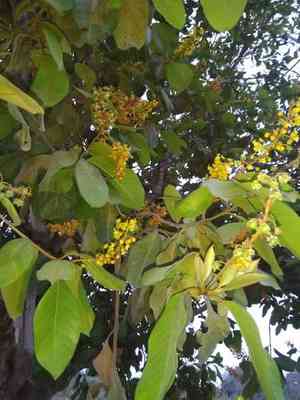
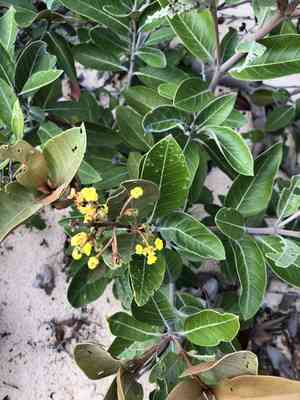
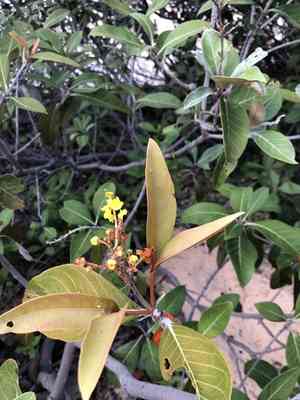
Images of Maricao cimun
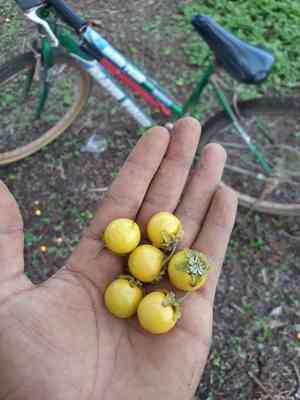
Quickly Identify Maricao cimun
1
Byrsonima crassifolia can be identified by its thick, wavy-edged leaves, small yellow to orange fruits, and distinct sweet and tart flavor. The tree typically has a twisted trunk and rough bark.
Scientific Classification of Maricao cimun
Phylum
Vascular plants
Class
Dicotyledons
Order
Malpighiales
Family
Barbados cherry
Genus
Serrets
Species
Maricao cimun
Planting and Growing of Maricao cimun
Care Difficulty
Easy
Watering Schedule
Every 4 days
Sunlight Requirements
Full sun
Sunshine Duration
6-10 hours
Ideal Temperature
77-86℉
Soil Type
Potting Mix, Peat Mix
Soil pH
6.5-7.5
Fertilizer Type
Balanced
Pruning Season
Spring, Summer
Pruning Area
Branches, Leaves
Pruning Frequency
2 times a year
Repotting Season
Spring
Pot Type
Plastic, Ceramic
 How to Water Maricao cimun?
Byrsonima crassifolia, commonly known as nance, requires a careful watering balance. Each watering session should provide roughly 500 ml of water. The key is to water until the soil feels evenly moist but not soggy. Consistently damp earth will support the tree's needs without overwhelming it.
What are the symptoms of an underwatered Maricao cimun?
›
What should I do if my Maricao cimun is not getting enough water?
›
What are the symptoms of an overwatered Maricao cimun?
›
How to save an overwatered Maricao cimun?
›
 What Are the Sunlight Requirements for Maricao cimun?
Byrsonima crassifolia thrives in full to partial sun, ideally receiving 6 to 8 hours of sunlight. Adequate lighting ensures vigorous growth, robust flowering, and overall plant vitality, promoting its natural resilience.
More About Sunlight Requirements Techniques→
What is the ideal sunlight condition for Byrsonima crassifolia?
›
How can I achieve the ideal sunlight condition?
›
What benefits arise from ideal sunlight exposure?
›
 What Is the Ideal Temperature Range for Maricao cimun?
For optimal growth of Byrsonima crassifolia, maintaining a temperature range between 77°F and 86°F is considered ideal. These temperatures promote healthy leaf development, flowering, and fruiting. Consistency in maintaining these conditions helps the plant maximize its growth potential and develop resilience against pests and diseases.
 What Soil is Best for Maricao cimun?
Byrsonima crassifolia thrives in well-drained soils that prevent waterlogging. Proper drainage ensures its roots remain oxygenated, reducing the risk of root rot and promoting robust growth. This plant requires moderate soil fertility. While it doesn’t demand highly rich nutrients, a balanced mix of essential minerals supports its fruit production and overall health. Maintaining consistent moisture in the soil is crucial for Byrsonima crassifolia. Adequate watering schedules enhance its flowering and fruit-setting stages, ensuring better yields.
 How to Fertilize Maricao cimun?
Byrsonima crassifolia, commonly known as 'Nance', benefits from a balanced and measured approach to fertilization. Use approximately 100 grams of a 10-10-10 NPK fertilizer, ensuring that the soil is well-loosened and capable of integrating the nutrients effectively.
 How to Prune Maricao cimun?
Before pruning Byrsonima crassifolia, observe the plant's natural shape and any unwanted growth. Identify branches that are crossing, damaged, or growing in undesired directions. This is crucial for maintaining its natural beauty and promoting healthier growth. Target pruning during early Spring to mid-Summer when the plant is actively growing. Remove dead or diseased wood first, then focus on thinning the interior to improve air circulation. This timing helps the plant recover swiftly and encourages vigorous growth.
More About Pruning Techniques→
 How to Propagate Maricao cimun plant?
1
Collect seeds from mature Byrsonima crassifolia fruits. Clean them thoroughly and allow them to dry before planting. Ensure seeds are free from pulp to avoid fungal infections.
2
Select healthy, semi-hardwood cuttings about 4-6 inches long from the parent plant. Choose branches that are disease-free and show vigorous growth.
3
Place seeds in a shallow depth in the seed trays filled with a well-draining soil mix. Keep the soil moist but not waterlogged, and maintain a warm environment for optimal germination.
 How to Repot Maricao cimun plant?
1
Byrsonima crassifolia should be repotted when its roots begin to outgrow the current pot, evidenced by roots poking through drainage holes or stunted growth. Choose warmer months, like spring or early summer, when the plant is in its active growth phase for better acclimatization.
2
Select a pot that is one size larger than the current one, ensuring it has adequate drainage holes. The new pot should be made of breathable material, such as terra cotta, to enhance airflow and prevent root rot, promoting healthier root systems.
3
Opt for a mix of well-draining, sandy loam soil, which emulates the plant's natural habitat. This type of soil prevents waterlogging and provides essential nutrients, ensuring the plant's robust growth and minimizing potential root diseases.
Learn More About Maricao cimun Diseases
Anthracnose
Bacterial Leaf Spot
Bacterial Soft Rot
Bacterial Wilt
Chemical Injury
Crown Gall
Damping-off
Downy Mildew
Drought Stress
Fusarium Wilt
Gray Mold
Leaf Curl
Leaf Spot
Mosaic
Nutrient Deficiency
Nutrient Toxicity
Powdery Mildew
Root Rot
Root-knot Nematode
Rusts
Sooty Mold
Spider Mites
Temperature Stress
Thrips Damage
White Mold



