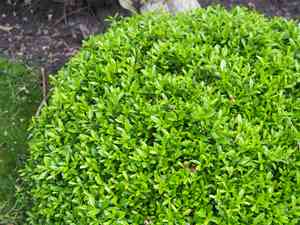
Chinese box (Buxus sinica)
Also known as: Chinese boxwood, Littleleaf Box
The Chinese box (Buxus sinica) is indigenous to China, as its name suggests. This plant is popularly used as an ornamental shrub due to its dense foliage, making it ideal for hedges and screens in gardens. The species name *sinica* is derived from the Latin term for China. Historically, the term "box" in its name likely refers to the use of its fine-grained wood, which was traditionally crafted into various wooden items, including boxes.
Attributes of Chinese box
Images of Chinese box


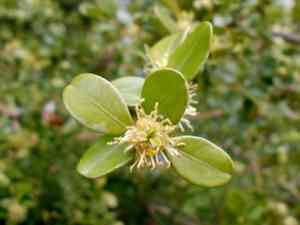
Quickly Identify Chinese box
Scientific Classification of Chinese box
Planting and Growing of Chinese box
 How to Water Chinese box?
 What Are the Sunlight Requirements for Chinese box?
 What Is the Ideal Temperature Range for Chinese box?
 What Soil is Best for Chinese box?
 How to Fertilize Chinese box?
 How to Prune Chinese box?
 How to Propagate Chinese box plant?
 How to Repot Chinese box plant?
Toxicity of Chinese box
Is Chinese box toxic to humans?
The Chinese box plant presents a low toxicity risk to humans when ingested. All parts of the plant contain toxic compounds that can result in negative health effects upon consumption. Alkaloids are the primary agents responsible for the toxic characteristics of the Chinese box. Symptoms of poisoning may encompass gastrointestinal discomfort, including nausea, vomiting, and diarrhea. Additionally, some individuals might face dizziness or respiratory complications. It is crucial for people to prevent unintentional ingestion of any part of the Chinese box, as every component has the potential to induce these symptoms.
Is Chinese box toxic to cat?
The Chinese box plant poses a significant risk of toxicity to felines. In the event that cats unintentionally ingest any portion of this plant, they can suffer poisoning due to the toxic alkaloids found throughout the entire plant. Pet owners must remain watchful for any signs of distress or discomfort in their cats, as these may suggest potential poisoning. If there is any possibility of exposure to the Chinese box plant, prompt veterinary care is essential to safeguard the cat's health and well-being.
Is Chinese box toxic to dog?
The Chinese box presents a moderate toxicity risk for dogs. Any part of this plant is toxic, which means canines can be poisoned if they accidentally consume it. Following ingestion, dogs may show symptoms including vomiting, diarrhea, drooling, and in more serious cases, seizures or respiratory failure. The adverse effects stem from the alkaloids found in the Chinese box. If you believe your dog has ingested this plant, it is crucial to seek veterinary assistance immediately to ensure the best possible outcome for your pet.



