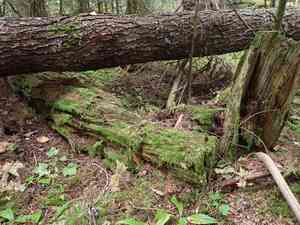
Buxbaumia moss (Buxbaumia aphylla)
Also known as: Bug-on-a-stick
Buxbaumia moss, scientifically known as Buxbaumia aphylla, was originally described by Albrecht von Haller. However, it was later renamed to honor the German botanist Johann Christian Buxbaum (1693–1730). This moss is mostly microscopic throughout its life cycle but becomes visible when it develops its reproductive structures. It is an ancient species that typically thrives in disturbed habitats or as a pioneer in new environments.
In This Article
Attributes of Buxbaumia moss
Lifespan
Annual
Plant Type
Moss
Plant Height
Up to 1 cm (0.39 inches)
Spread
N/A
Leaf Color
This moss lacks traditional leaves
Flower Size
N/A
Flower Color
N/A
Images of Buxbaumia moss
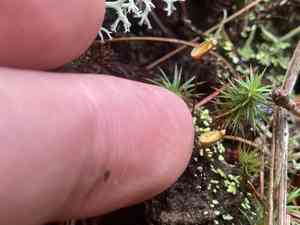
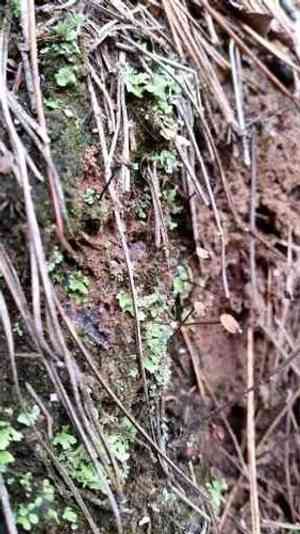
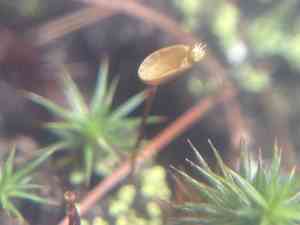
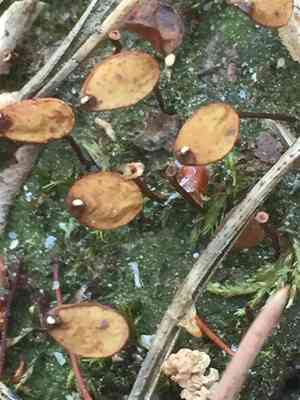
Quickly Identify Buxbaumia moss
1
It is identified by its small, elongate capsules that stand upright and lack surrounding leaves. The capsules may turn from green to reddish-brown as they mature.
Scientific Classification of Buxbaumia moss
Phylum
Mosses
Class
True mosses
Order
Buxbaumiales
Family
Buxbaumiaceae
Genus
Buxbaumia moss
Species
Buxbaumia moss
Planting and Growing of Buxbaumia moss
Care Difficulty
Hard
Watering Schedule
Every 2 days
Sunlight Requirements
Partial sun
Sunshine Duration
4-8 hours
Ideal Temperature
50-68℉
Soil Type
Potting Mix, Peat Mix
Soil pH
6-6.5
Fertilizer Type
Balanced
Pruning Season
Spring, Summer
Pruning Area
Branches, Leaves
Pruning Frequency
2 times a year
Repotting Season
Spring
Pot Type
Ceramic, Plastic
 How to Water Buxbaumia moss?
Buxbaumia aphylla, also known as a leafless moss, requires minimal watering due to its nature of growing in damp habitats. The key is to maintain a consistently moist environment without waterlogging. About 40 ml of water is generally enough, ensuring the substrate is damp but not soaked to mimic its natural surroundings.
What are the symptoms of an underwatered Buxbaumia moss?
›
What should I do if my Buxbaumia moss is not getting enough water?
›
What are the symptoms of an overwatered Buxbaumia moss?
›
How to save an overwatered Buxbaumia moss?
›
 What Are the Sunlight Requirements for Buxbaumia moss?
Buxbaumia aphylla thrives in a partial sun environment with around 2 to 4 hours of scattered direct sunlight or bright indirect light. Ideal lighting enhances its photosynthesis ability, fostering healthy and vibrant growth.
How much light does Buxbaumia aphylla need?
›
How can you provide ideal lighting?
›
What are the benefits of optimal light conditions?
›
 What Is the Ideal Temperature Range for Buxbaumia moss?
Buxbaumia aphylla thrives best within a temperature range of 50°F to 68°F, which aligns with its mossy nature and requirement for cooler environments. This range supports optimal growth and development, providing the right balance between warmth and moisture retention.
 What Soil is Best for Buxbaumia moss?
Buxbaumia aphylla thrives in soil that retains moisture effectively. This ensures a consistent supply of water essential for its growth, mimicking its natural forest floor habitat. A soil rich in organic matter is vital. The abundance of nutrients supports healthy development and reproduction, providing all that Buxbaumia aphylla needs to flourish. This species prefers slightly acidic soils. An acidic pH range optimizes nutrient availability and supports the biological processes that are crucial for its health.
 How to Fertilize Buxbaumia moss?
For Buxbaumia aphylla, use a balanced, diluted liquid fertilizer. A concentration of 1/4th of the recommended dose is usually sufficient. This species has modest feeding requirements.
 How to Prune Buxbaumia moss?
Buxbaumia aphylla, also known as bug moss, is a unique bryophyte that does not have true leaves. This makes its care, including pruning, distinct from other moss types. It's essential to comprehend its biological structure before undertaking any maintenance. Given its lack of traditional leaves, pruning Buxbaumia aphylla involves more of a gentle cleaning approach. Carefully remove any dead or decaying material using soft, pointed tweezers to maintain its health and appearance, taking care not to disrupt the surrounding soil.
 How to Propagate Buxbaumia moss plant?
1
To propagate Buxbaumia aphylla, begin by collecting spores from a mature capsule. Carefully separate the spores by lightly tapping the capsule over a piece of paper.
2
Use a peat-based growing medium in a sterile container. The medium should be well-moistened but free of standing water to accommodate the sporophyte growth.
3
Dust the collected spores gently over the prepared medium. Ensure even distribution to enhance the chances of successful germination.
 How to Repot Buxbaumia moss plant?
1
Repotting Buxbaumia aphylla generally signals itself when growth slows markedly or when the moss structure appears compacted. Given its unique tendency to thrive in nutrient-low settings, repotting isn't frequently needed. However, it's best done during growth spurts in Spring and Summer to give it a fresh substrate of moss where nutrients can be circulated more easily.
2
Selecting the appropriate pot for Buxbaumia aphylla means opting for a shallow container. These mosses favor open, airy containers that mimic natural forest habitats, encouraging water evaporation and preventing saturation. Shallow pots also replicate the surface root exposure found in their native ecosystems, aiding in their mineral absorption efficiencies.
3
The right soil for Buxbaumia aphylla mimics its natural substrate, focusing more on moisture retention than nutrient density. Opt for sphagnum moss combined with a mildly acidic, loose composition, which provides essential water absorption while preventing root rot. This mixture is ideal for replicating the moss’s natural conditions and promoting healthy growth.

