
Butomus (Butomus) (Butomus)
Also known as: Flowering Rush, Grass Rush
Lythrum salicaria and Iris pseudacorus are aquatic plants originally from Asia and Europe. They are often introduced to other regions for their appealing flowers and ornamental value. However, in conditions with ample sunlight and wet, boggy soil, they have the potential to become invasive.
In This Article
Attributes of Butomus (Butomus)
Lifespan
Perennial
Plant Height
1-1.5 meters
Spread
N/A
Leaf Color
Green
Flower Size
2-3 cm
Flower Color
Pink, White
Images of Butomus (Butomus)
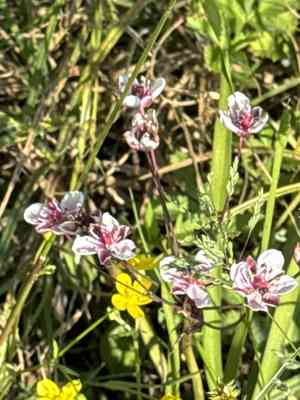
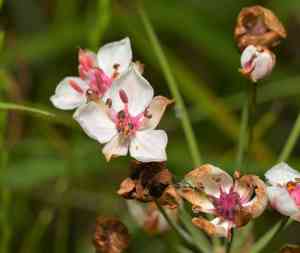
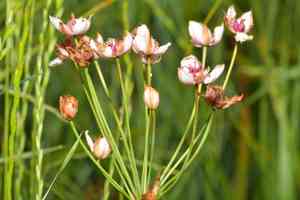
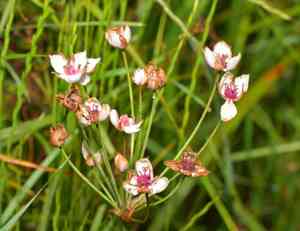
Quickly Identify Butomus (Butomus)
1
It can be identified by its tall, triangular stems and umbel arrangement of pink or white flowers. The long, narrow leaves resemble those of true rushes but are slightly twisted.
Scientific Classification of Butomus (Butomus)
Phylum
Magnoliophyta
Class
Liliopsida
Order
Alismatales
Family
Butomaceae
Genus
Butomus
Planting and Growing of Butomus (Butomus)
Care Difficulty
Easy
Watering Schedule
Every 12 days
Sunlight Requirements
Full sun
Sunshine Duration
6-12 hours
Ideal Temperature
60-77℉
Soil Type
Potting Mix
Soil pH
6.5-7.5
Fertilizer Type
Balanced
Pruning Season
Spring, Summer
Pruning Area
Branches, Leaves
Pruning Frequency
2 times a year
Repotting Season
Spring
Pot Type
Plastic, Terracotta
 How to Water Butomus (Butomus)?
When watering Butomus, aim for a thorough soak that reaches deep into the soil. This plant thrives when its roots are consistently moist, replicating its natural wetland habitat. Ensure the soil is drenched but not waterlogged, allowing moisture to reach all parts of the root system.
What are the symptoms of an underwatered Butomus (Butomus)?
›
What should I do if my Butomus (Butomus) is not getting enough water?
›
What are the symptoms of an overwatered Butomus (Butomus)?
›
How to save an overwatered Butomus (Butomus)?
›
 What Are the Sunlight Requirements for Butomus (Butomus)?
Butomus thrives best with access to full to partial sunshine, benefiting from 6 to 8 hours daily. Ideal lighting helps sustain vibrant blooms and vigorous foliage, providing optimal conditions for aesthetic and health benefits.
Best Time for Sunlight
›
Benefits of Adequate Light
›
Solutions to Achieve Ideal Lighting
›
 What Is the Ideal Temperature Range for Butomus (Butomus)?
The ideal temperature range for Butomus typically falls between 60°F and 77°F. This range allows the plant to thrive and exhibit optimal growth characteristics such as vibrant foliage and healthy flowering. Maintaining this range provides a stable environment that mimics the plant's natural habitat, supporting its metabolic processes effectively.
 What Soil is Best for Butomus (Butomus)?
Butomus thrives in soils that offer excellent moisture retention. Loamy soils with a mix of clay are ideal because they hold water well while still offering good drainage. This soil characteristic helps Butomus stay hydrated, which is crucial for its growth and flowering. A nutrient-rich soil environment is vital for Butomus. Soils that are rich in organic matter support healthy growth and vibrant blooms. Loam and sandy loam provide a good balance of nutrients, promoting the overall vitality and resilience of the plant. Butomus benefits from soils that provide good aeration, which helps the roots to breathe and function optimally. Soils with a mixture of sand and loam can aid in efficient air circulation, thereby preventing root diseases and fostering healthy plant development.
 How to Fertilize Butomus (Butomus)?
Butomus, known as the flowering rush, requires moderate fertilization. For liquid fertilizer, use a diluted solution at a quarter of the recommended strength to avoid root burn. Slow-release fertilizers should be applied lightly, ensuring not to exceed recommended amounts to maintain healthy foliage and vibrant blooms.
 How to Prune Butomus (Butomus)?
Butomus requires moderate pruning, so avoid cutting back too much in one go. Over-pruning can stress the plant and reduce its ability to thrive. While Butomus can be pruned throughout the year, avoid pruning during extreme temperatures to prevent stress. Morning is the best time to prune as plants are less stressed and can recover quickly.
 How to Propagate Butomus (Butomus) plant?
1
Fill seed trays with a well-draining soil mix. Sow Butomus seeds on the surface and cover them lightly with soil. Keep the soil consistently moist but not soggy. Place trays in a location with indirect sunlight.
2
During early spring, carefully dig up Butomus plants. Use a sharp, clean knife to divide the rhizomes into sections, ensuring each section has healthy roots and shoots. Replant immediately in a prepared bed.
3
After sowing or dividing, water the Butomus plants thoroughly. Maintain consistent moisture levels, especially in the weeks following propagation, to promote strong root development and healthy growth.
 How to Repot Butomus (Butomus) plant?
1
Butomus typically signals the need for repotting when it appears root-bound, showing slowed growth or roots emerging from the drainage holes. The best time to repot is in Spring or early Summer, when the plant is actively growing, ensuring it has ample opportunity to settle into its new home.
2
Choose a pot that is 1-2 inches larger in diameter than the current one to allow for root growth. Ensure the pot has adequate drainage holes to prevent water-logging, which can harm the plant. A pot that's too large can retain excess moisture, so size wisely to keep balance.
3
Opt for a rich loam or clay soil that retains enough moisture for Butomus, yet offers sufficient drainage. This balance aids in preventing the roots from becoming waterlogged while still providing the necessary nutrients and conditions for healthy growth.

