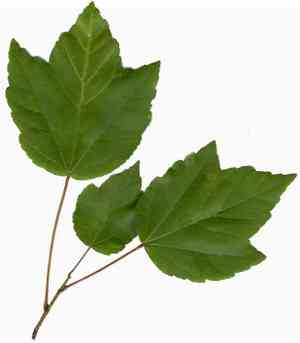
Torchwood copal (Bursera fagaroides)
Also known as: Torchwood, Copal
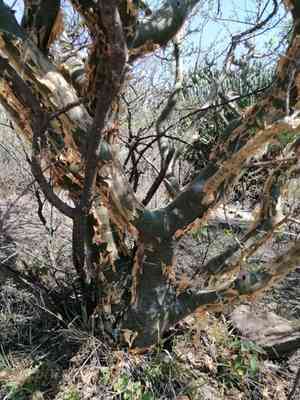
Torchwood copal (Bursera fagaroides) is a sizeable shrub native to Mexico, capable of reaching heights up to 10 meters with a distinctively peeling, swollen trunk. While its small seeds are primarily consumed by birds and not suitable for humans, the resin from this plant is commonly used in incense production. Additionally, Torchwood copal trees are occasionally cultivated as bonsai.
In This Article
Attributes of Torchwood copal
Lifespan
Perennial
Plant Type
Shrub
Plant Height
10 m
Spread
5 m
Leaf Color
Green
Flower Size
5 mm
Flower Color
Yellow Green White
Images of Torchwood copal
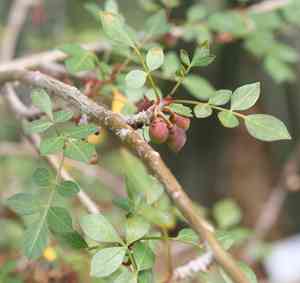
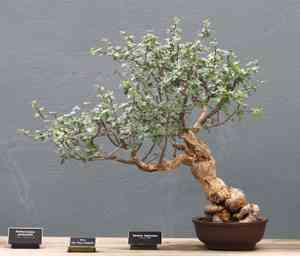
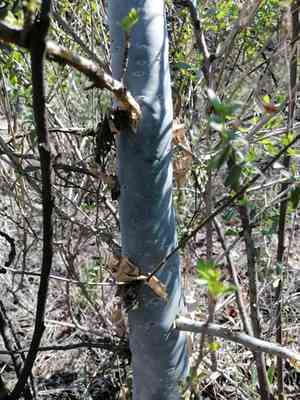
Quickly Identify Torchwood copal
1
Thick, short trunk with white papery bark peeling to reveal pale green underlayer.
2
Pinnately compound, dark green leaves emitting a citrusy aroma when crushed.
3
Diminutive greenish flowers blooming in spring, followed by small green fruits maturing to reveal colorful seeds.
4
Stands 1 to 5 feet tall (30 to 150 cm) with widespread stems showcasing sculptural architecture.
5
Thrives in full sunlight, well-drained soil, and minimal water to maintain unique growth form.
Scientific Classification of Torchwood copal
Phylum
Vascular plants
Class
Dicotyledons
Order
Sapindales
Family
Torchwood
Genus
Bursera
Species
Torchwood copal
Planting and Growing of Torchwood copal
Care Difficulty
Easy
Watering Schedule
Every 2 days
Sunlight Requirements
Full sun
Sunshine Duration
6-10 hours
Ideal Temperature
65-80℉
Soil Type
Potting Mix, Peat Mix
Soil pH
6.5-7.5
Fertilizer Type
Balanced
Pruning Season
Spring, Summer
Pruning Area
Branches, Leaves
Pruning Frequency
2 times a year
Repotting Season
Spring
Pot Type
Plastic, Ceramic
 How to Water Torchwood copal?
When watering Bursera fagaroides, the principle is to allow the soil to dry out between waterings. This succulent plant prefers moderation, meaning the water should reach the root level but not leave the soil soggy. An amount around 250 ml is generally sufficient to achieve this level without oversaturating the plant.
What are the symptoms of an underwatered Torchwood copal?
›
What should I do if my Torchwood copal is not getting enough water?
›
What are the symptoms of an overwatered Torchwood copal?
›
How to save an overwatered Torchwood copal?
›
 What Are the Sunlight Requirements for Torchwood copal?
Bursera fagaroides grows best in environments with full sun to partial sun. This ideal range maximizes photosynthesis, resulting in the plant's lush appearance and robust health.
More About Sunlight Requirements Techniques→
How much light does it need?
›
Solutions for ideal lighting conditions
›
Benefits of getting ideal light
›
 What Is the Ideal Temperature Range for Torchwood copal?
The optimal temperature range for Bursera fagaroides is between 65°F and 80°F. Within this range, the plant can photosynthesize efficiently, facilitating robust growth and adequate nutrient uptake. Consistently maintaining these temperatures helps prevent physiological stress and encourages healthy foliage and stem development.
 What Soil is Best for Torchwood copal?
Bursera fagaroides thrives in well-drained soil that prevents water accumulation around its roots. Well-drained conditions mimic its natural habitat and support robust root development, leading to healthier growth. This plant prefers soil with moderate fertility. Excessive nutrients can lead to abnormal growth, but adequate, balanced fertility supports consistent and sustainable plant development. While drought-tolerant, Bursera fagaroides prefers soil with moderate moisture levels to simulate its native semi-arid environments, ensuring it gets enough moisture without causing root rot.
 How to Fertilize Torchwood copal?
For Bursera fagaroides, the ideal fertilizer amount should be balanced and carefully measured. Use a half-strength balanced liquid fertilizer or a cactus fertilizer for liquid applications. If opting for slow-release forms, apply as per the packet instructions, usually using a tablespoon per gallon of soil. This plant is not heavy-feeding, so avoid over-fertilizing.
 How to Prune Torchwood copal?
First, inspect your Bursera fagaroides for any dead or diseased branches. These need to be removed to prevent the spread of illness and allow the plant to direct its energy to healthy growth. Prune the Bursera fagaroides to maintain your desired shape, cutting back any overly long or wayward branches. This helps in keeping a tidy appearance and encourages denser growth. When cutting back the plant, aim to remove no more than one-third of its total length. This ensures the plant remains robust and can recover quickly from the pruning process.
More About Pruning Techniques→
 How to Propagate Torchwood copal plant?
1
For seeds, collect them from ripened fruits. Ensure they are cleaned and dried before use. For cuttings, choose a healthy branch and use pruning shears to cut a 4-6 inch section.
2
Prepare a well-draining growing medium, such as a mix of sand and peat. The medium should retain some moisture but allow for excess water to drain away.
3
Plant seeds just beneath the surface of the soil, or insert cuttings into the medium, making sure at least two nodes are buried. Place in a warm, bright location but out of direct sunlight.
 How to Repot Torchwood copal plant?
1
Bursera fagaroides shows it's time for a new pot when roots begin to spiral out of the drainage holes, signaling constrained growth. Ideally, repot during Spring or Summer when the plant is in active growth, minimizing transplant shock.
2
Opt for a pot with abundant drainage holes to prevent root rot, a major issue for Bursera fagaroides. A good pot size is one that's slightly larger than the root ball, as it provides just enough space to grow without overwhelming the plant.
3
Select a well-draining cactus mix containing perlite and sand. This mixture keeps the roots from sitting in water, which is crucial for Bursera fagaroides to avoid root rot and ensure healthy growth.



