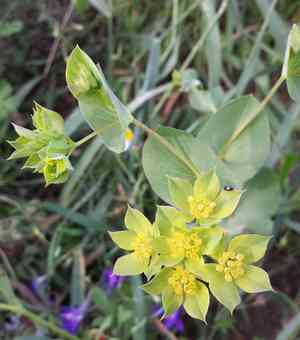
Green Gold (Bupleurum rotundifolium)
Also known as: Hound's Ear, Thorowax, Thoroughwax, Thorow-Wax
Green Gold (Bupleurum rotundifolium) is a hardy annual herbaceous plant that can reach a height of around 41 cm. Its round, blue-green leaves add a unique touch to floral arrangements, while it produces clusters of yellow flowers in the summer. For optimal growth, plant it in full sun with well-drained soil. It's easy to germinate and cultivate from seeds.
In This Article
Attributes of Green Gold
Lifespan
Annual, Biennial
Plant Type
Herb
Plant Height
30 cm to 61 cm
Spread
40 cm
Leaf Color
Green
Flower Size
0.5 cm
Flower Color
Yellow Green
Images of Green Gold
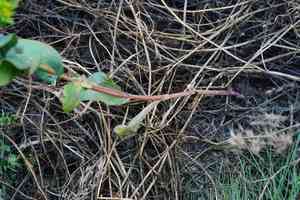
Quickly Identify Green Gold
1
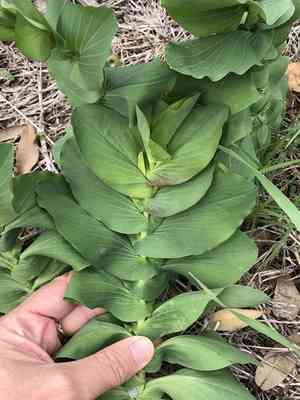
Distinctive deep green round leaves with smooth, undulating margins.
2
Umbrella-like flower clusters with numerous tiny yellowish-green flowers in compact umbels.
3
Unique non-opening oblong fruits with smooth texture and muted, earthy tone.
4
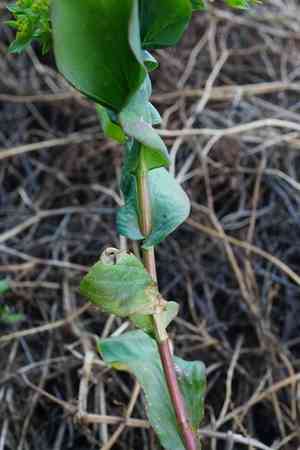
Blue-green simple leaves with visible veins, perfoliate upper leaves, and some lobed leaves.
5
Stems piercing through upper leaves for easy identification.
Scientific Classification of Green Gold
Phylum
Vascular plants
Class
Dicotyledons
Order
Apiales
Family
Umbellifers
Genus
Thorow wax
Species
Green Gold
Planting and Growing of Green Gold
Care Difficulty
Easy
Watering Schedule
Every 2 days
Sunlight Requirements
Partial sun
Sunshine Duration
6-8 hours
Ideal Temperature
60-75℉
Soil Type
Potting Mix, Peat Mix
Soil pH
6.5-7.5
Fertilizer Type
Balanced
Pruning Season
Spring, Summer
Pruning Area
Branches, Leaves
Pruning Frequency
2 times a year
Repotting Season
Spring
Pot Type
Plastic, Ceramic
 How to Water Green Gold?
For Bupleurum rotundifolium, aim for a modest watering. Ensure the soil is evenly damp but never waterlogged. You want about 200 milliliters per session, enough to moisten the medium thoroughly but not drown the roots. Let the topsoil dry out slightly before watering again.
What are the symptoms of an underwatered Green Gold?
›
What should I do if my Green Gold is not getting enough water?
›
What are the symptoms of an overwatered Green Gold?
›
How to save an overwatered Green Gold?
›
 What Are the Sunlight Requirements for Green Gold?
Bupleurum rotundifolium thrives in environments offering partial to full sun, ideally receiving at least 6-8 hours of light daily. This optimal range supports healthy foliage and bloom production.
More About Sunlight Requirements Techniques→
How to achieve ideal lighting?
›
Frequency of light adjustments?
›
Benefits of ideal lighting?
›
 What Is the Ideal Temperature Range for Green Gold?
Bupleurum rotundifolium flourishes in temperatures ranging from 60°F to 75°F. This range supports optimal metabolic activities and growth. These conditions enable the plant to produce healthy foliage and flowers effectively. Providing stable temperatures within this range helps mitigate stress and encourages a robust plant development.
 What Soil is Best for Green Gold?
Bupleurum rotundifolium thrives in soil types that offer excellent drainage capabilities. This is because its roots are prone to rot in waterlogged conditions. Opting for well-drained soils ensures healthy root growth and prevents the root diseases commonly associated with standing water. Soil with moderate fertility is sufficient for Bupleurum rotundifolium, ensuring the plant gets essential nutrients without being excessively rich. These nutrients support the plant's vibrant foliage and robust growth, allowing it to reach its full ornamental potential. While Bupleurum rotundifolium prefers well-drained soil, it also prospers when moisture levels are consistent. Regular watering, combined with soils that retain some moisture, help maintain lush leaf growth and maintain overall plant vigor.
 How to Fertilize Green Gold?
For Bupleurum rotundifolium, it's crucial to provide the right amount of nutrients without overwhelming the plant. Typically, use 1/4th of the recommended strength of liquid fertilizer to avoid potential root burn. When applying slow-release pellets, consider using them sparingly, ensuring they are evenly distributed around the root zone while keeping them away from direct contact with the stem.
 How to Prune Green Gold?
Start by identifying any dead, damaged, or diseased stems on your Bupleurum rotundifolium. These should be pruned back to a healthy section of the plant or down to the base to prevent any potential disease from spreading to healthy parts. Carefully assess the overall shape of the plant and plan your cuts to maintain a balanced structure. Remove any overcrowded branches to improve air circulation and ensure that sunlight reaches all parts of the plant. To encourage a bushier growth, make cuts just above a leaf node. This will prompt the plant to produce new shoots from below the cut, leading to a fuller and more robust appearance.
More About Pruning Techniques→
 How to Propagate Green Gold plant?
1
Fill seed trays with a well-draining potting mix. Ensure the mix is evenly spread and not compacted, allowing seeds to penetrate easily when germinating.
2
Sow Bupleurum rotundifolium seeds on the surface of the potting mix and lightly cover them with a thin layer of the mix or vermiculite to promote optimal germination conditions.
3
Place the seed trays in a location with plenty of light and maintain a temperature between 15-20°C for successful germination.
 How to Repot Green Gold plant?
1
Bupleurum rotundifolium shows signs like roots growing out of drainage holes, soil drying out quickly, and stunted growth when it needs repotting. Spring and autumn are ideal due to moderate temperatures and active plant growth, ensuring minimal stress during the transition.
2
Choose a pot with proper drainage holes that is one or two sizes larger than the current one. This helps in preventing waterlogging and root rot, providing ample space for root expansion and allowing better air circulation inside the pot.
3
Opt for a well-draining sandy loam mix as it replicates the plant's natural habitat. This type of soil prevents water retention, thus reducing the risk of root rot, and offers a balanced nutrient retention capability, promoting healthy plant growth.
Learn More About Green Gold Diseases
Anthracnose
Bacterial Leaf Spot
Bacterial Soft Rot
Bacterial Wilt
Chemical Injury
Crown Gall
Cyst Nematode
Damping-off
Downy Mildew
Drought Stress
Fusarium Wilt
Gray Mold
Leaf Spot
Mosaic
Nutrient Deficiency
Nutrient Toxicity
Powdery Mildew
Root Rot
Root-knot Nematode
Rusts
Sooty Mold
Spider Mites
Temperature Stress
Thrips Damage
White Mold



