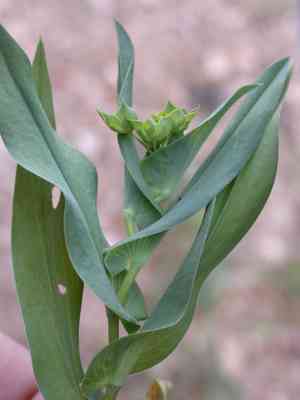
Lanceleaf thorow wax (Bupleurum lancifolium)
Also known as: False thorow-wax, Yellow hare's-ear
The lanceleaf thorow wax is a flowering plant commonly found in disturbed areas such as fields and meadows, and it is sometimes considered a weed. The name "thorough-wax" derives from the way its leaves appear to be pierced by the stem, creating the impression that the stem goes through the leaves.
In This Article
Attributes of Lanceleaf thorow wax
Lifespan
Annual
Plant Type
Herb
Plant Height
50 cm
Spread
30-40 cm
Leaf Color
Green
Flower Size
0.5-1 cm
Flower Color
Yellow Green
Images of Lanceleaf thorow wax
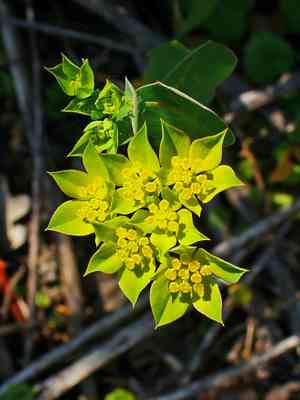
Quickly Identify Lanceleaf thorow wax
1
Identify Bupleurum lancifolium by its narrow-lanceolate leaves, which are typically 2-6 cm long. The flowers are yellow-green and arranged in flat-topped clusters called umbels. The plant often grows in dry, grassy areas or on rocky slopes.
Scientific Classification of Lanceleaf thorow wax
Phylum
Vascular plants
Class
Dicotyledons
Order
Apiales
Family
Umbellifers
Genus
Thorow wax
Species
Lanceleaf thorow wax
Planting and Growing of Lanceleaf thorow wax
Care Difficulty
Easy
Watering Schedule
Every 2 days
Sunlight Requirements
Full sun
Sunshine Duration
4-8 hours
Ideal Temperature
59-77℉
Soil Type
Potting Mix, Peat Mix
Soil pH
6.5-7.5
Fertilizer Type
Balanced
Pruning Season
Spring, Summer
Pruning Area
Branches, Leaves
Pruning Frequency
2 times a year
Repotting Season
Spring
Pot Type
Plastic, Terracotta
 How to Water Lanceleaf thorow wax?
When watering Bupleurum lancifolium, it is crucial to provide around 250 milliliters of water until the soil feels evenly moist. However, avoid creating soggy conditions by ensuring excess water drains away effectively.
What are the symptoms of an underwatered Lanceleaf thorow wax?
›
What should I do if my Lanceleaf thorow wax is not getting enough water?
›
What are the symptoms of an overwatered Lanceleaf thorow wax?
›
How to save an overwatered Lanceleaf thorow wax?
›
 What Are the Sunlight Requirements for Lanceleaf thorow wax?
Bupleurum lancifolium thrives with 6 to 8 hours of full sun daily. Ideal light promotes vigorous growth, rich green foliage, and enhanced resistance to environmental stressors. Ensuring this light range meets the plant's photosynthetic needs, fostering overall plant health and resilience.
What type of sunlight is best for Bupleurum lancifolium?
›
Can Bupleurum lancifolium tolerate partial shade?
›
What are the benefits of maintaining ideal sunlight for Bupleurum lancifolium?
›
 What Is the Ideal Temperature Range for Lanceleaf thorow wax?
Bupleurum lancifolium thrives in climates where temperatures are consistently warm but not overly hot. An ideal range of 59°F to 77°F allows the plant to maintain robust growth and physiological balance. This range is optimal for photosynthesis and minimizes the risk of thermal stress.
 What Soil is Best for Lanceleaf thorow wax?
Bupleurum lancifolium thrives in well-drained soil, which allows excess water to dissipate, preventing root rot and promoting healthy root growth. This condition mimics their natural habitat, enabling the plant to absorb nutrients efficiently. This plant benefits from a nutrient-rich soil, which provides it with the essential minerals needed for vibrant foliage and robust growth. Organic matter and natural fertilizers can enhance the soil's nutrient profile, supporting the plant's overall health. The soil should have the capability to retain moderate moisture, ensuring the plant receives a consistent water supply without waterlogging. This balances the plant's water needs, especially during dry spells.
 How to Fertilize Lanceleaf thorow wax?
For Bupleurum lancifolium, it is important to apply a balanced fertilizer that provides essential nutrients. Use approximately 1/4 cup of liquid fertilizer diluted according to the instructions for every watering session. For slow-release fertilizers, apply around 1/2 cup evenly around the plant base annually.
 How to Prune Lanceleaf thorow wax?
Begin by inspecting the plant for any damaged or diseased stems. Trim these parts off at their base to foster healthy growth and prevent disease spread. Shape the Bupleurum lancifolium by selectively trimming the outer stems to maintain a natural, bushy appearance. This also encourages fuller growth and prevents the plant from becoming leggy. Trim overcrowded areas to promote better air circulation within the plant, which helps to prevent fungal diseases and supports robust growth.
More About Pruning Techniques→
 How to Propagate Lanceleaf thorow wax plant?
1
Collect seeds from mature Bupleurum lancifolium plants after the flowers have faded and dried. This is usually done by carefully cutting off the seed heads and allowing them to air dry thoroughly.
2
Fill seed trays with a sterile starting mix and sow Bupleurum lancifolium seeds on the surface. Lightly cover the seeds with a thin layer of soil mix as they require light to germinate.
3
Place the trays in a warm location that receives indirect light. Keep the seed trays consistently moist but not overly wet to encourage successful germination without risk of damping-off.
 How to Repot Lanceleaf thorow wax plant?
1
You can tell Bupleurum lancifolium needs repotting when its roots start to protrude from the drainage holes or the plant appears to be top-heavy. These signs indicate that the plant has outgrown its container, making spring or early summer ideal for repotting due to the plant's active growth phase.
2
Select a pot that is one size larger than the current one, ensuring that it has ample drainage holes. A well-chosen pot prevents waterlogging, which can be detrimental to Bupleurum lancifolium, by allowing excess water to escape, thus reducing the risk of root rot.
3
Opt for a well-draining soil mix, ideally loamy with some sand. This type of soil ensures that the plant's roots receive adequate oxygen while preventing water from sitting at the base, which can lead to fungal diseases.
Learn More About Lanceleaf thorow wax Diseases
Anthracnose
Bacterial Leaf Spot
Bacterial Soft Rot
Bacterial Wilt
Chemical Injury
Crown Gall
Cyst Nematode
Damping-off
Downy Mildew
Drought Stress
Fusarium Wilt
Gray Mold
Leaf Spot
Mosaic
Nutrient Deficiency
Nutrient Toxicity
Powdery Mildew
Root Rot
Root-knot Nematode
Rusts
Sooty Mold
Spider Mites
Temperature Stress
Thrips Damage
White Mold



