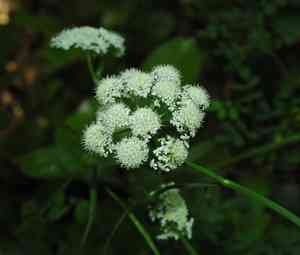
Earth-nut (Bunium) (Bunium)
Also known as: Earthnut, Earth-nut Pea, Pig nut
The Apiaceae family, also called the carrot or celery family, consists of flowering plants with distinct hollow stems and finely divided leaves. They feature umbrella-shaped clusters of flowers that are highly attractive to beneficial insects like hoverflies and parasitic wasps, aiding in natural pest control in gardens. Common members of this family include parsley, dill, and fennel, which are widely used for their culinary and medicinal properties.
In This Article
Attributes of Earth-nut (Bunium)
Lifespan
Perennial
Plant Height
30-60 cm
Spread
N/A
Leaf Color
Green
Flower Size
2-3 mm (per flower)
Flower Color
White or pinkish
Images of Earth-nut (Bunium)
Quickly Identify Earth-nut (Bunium)
1
To identify Bunium, look for its finely divided leaves and small white or pinkish flowers that form umbrella-like clusters. The edible tubers and seeds are also distinguishing features.
Scientific Classification of Earth-nut (Bunium)
Phylum
Tracheophyta
Class
Magnoliopsida
Order
Apiales
Family
Apiaceae
Genus
Bunium
Planting and Growing of Earth-nut (Bunium)
Care Difficulty
Moderate
Watering Schedule
Every 2 days
Sunlight Requirements
Partial sun
Sunshine Duration
6-10 hours
Ideal Temperature
59-77℉
Soil Type
Potting Mix, Peat Mix
Soil pH
6.5-7.5
Fertilizer Type
Balanced
Pruning Season
Spring, Summer
Pruning Area
Branches, Leaves
Pruning Frequency
2 times a year
Repotting Season
Spring
Pot Type
Terracotta, Plastic
 How to Water Earth-nut (Bunium)?
Ensure the soil is consistently moist but not waterlogged. This plant appreciates even moisture similar to that of a wrung-out sponge. Watering aims to keep the soil evenly damp to support optimal growth while avoiding stagnant water that can harm the roots.
What are the symptoms of an underwatered Earth-nut (Bunium)?
›
What should I do if my Earth-nut (Bunium) is not getting enough water?
›
What are the symptoms of an overwatered Earth-nut (Bunium)?
›
How to save an overwatered Earth-nut (Bunium)?
›
 What Are the Sunlight Requirements for Earth-nut (Bunium)?
Preferred for Bunium is partial sun—ideal lighting promotes healthy leaves and sturdy roots. Adequate light prevents leaf scorch while enabling photosynthesis for vigor and pest resistance.
What is the ideal lighting condition for Bunium?
›
How can I achieve this ideal lighting condition?
›
What benefits does the ideal lighting condition provide for Bunium?
›
 What Is the Ideal Temperature Range for Earth-nut (Bunium)?
The ideal temperature range for growing Bunium lies between 59°F and 77°F. This ensures optimal growth and development, providing the right balance of warmth and cooler days that the plant requires to thrive. Maintaining these conditions helps in achieving healthy foliage and successful flowering.
 What Soil is Best for Earth-nut (Bunium)?
Bunium thrives in soils that allow for good drainage. Well-drained soil prevents waterlogging, which can lead to root rot, ensuring that the plant's roots have enough oxygen and nutrients to grow robustly. The need for nutrient-rich soil is crucial for Bunium as it supports lush foliage and robust root development. A balance of organic matter in the soil enhances nutrient availability and retention, leading to healthier plants. While Bunium prefers well-drained conditions, it also benefits from soil that retains adequate moisture. This balance helps sustain the plant during dry spells without causing water stress, promoting consistent growth.
 How to Fertilize Earth-nut (Bunium)?
When fertilizing Bunium, ensure you apply a modest amount tailored to its needs. Typically, mix a balanced liquid fertilizer at half the recommended strength. For solid fertilizers, use about 1-2 tablespoons per application. Always consider the soil's current nutrient levels to avoid over-fertilization.
 How to Prune Earth-nut (Bunium)?
Use sharp and clean pruning shears to avoid damaging the plant. A clean cut minimizes the risk of disease and helps the plant to heal faster. Inspect the plant carefully and remove any dead or diseased stems. This will prevent the spread of diseases and open up the plant to better air circulation. Prune back overgrown stems to restore the plant's natural shape. Focus on maintaining an even appearance by cutting just above a leaf node.
 How to Propagate Earth-nut (Bunium) plant?
1
Start by choosing well-draining soil mixed with compost. Ensure it is loosened to allow roots to spread easily, which is vital for both seed and division propagation.
2
Sow Bunium seeds in prepared seed trays or directly in the ground at a depth of about 1/4 inch. Keep the soil consistently moist until germination occurs, usually in 2-3 weeks.
3
Carefully dig up a mature Bunium plant using a garden fork. Gently separate the root clumps, ensuring each new section has a decent root system, and replant them in well-prepared beds.
 How to Repot Earth-nut (Bunium) plant?
1
Bunium needs repotting when the roots start emerging from the drainage holes or when growth becomes stunted. Early spring or autumn is ideal, allowing plants to settle before a growth spurt.
2
Opt for a pot with a 2-inch diameter larger than the current one, ensuring adequate drainage. A slightly larger pot encourages root development without risking waterlogging, ensuring healthier plant growth.
3
Choose well-draining, loamy soil to prevent water retention, which Bunium is sensitive to. This type benefits root aeration and nutrient retention, ideal for the plant's growth needs.
Learn More About Earth-nut (Bunium) Diseases
Anthracnose
Bacterial Leaf Spot
Bacterial Soft Rot
Bacterial Wilt
Crown Gall
Cyst Nematode
Damping-off
Downy Mildew
Drought Stress
Fusarium Wilt
Gray Mold
Leaf Spot
Mosaic
Nutrient Deficiency
Nutrient Toxicity
Powdery Mildew
Root Rot
Root-knot Nematode
Rusts
Sooty Mold
Spider Mites
Temperature Stress
Thrips Damage
White Mold

