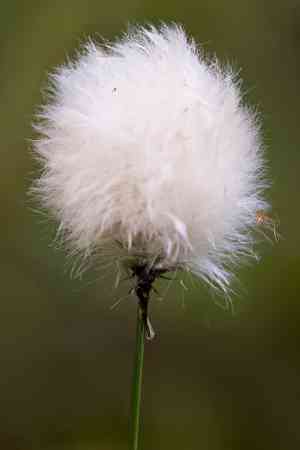
Old world hairsedge (Bulbostylis barbata)
Also known as: Bearded watergrass
The plant you're referring to is **Common Rush (Juncus effusus)**. It thrives along the edges of creeks and rivers and is recognizable by its tufted, pointed brown flowers. This plant produces flower and seed spikes from spring through fall.
In This Article
Attributes of Old world hairsedge
Lifespan
Annual
Plant Type
Grass
Plant Height
2 cm to 35 cm
Spread
N/A for crown diameter as it forms tufts rather than a traditional crown.
Leaf Color
Green
Flower Size
5 mm to 1.2 cm
Flower Color
Yellow Green Red Brown
Images of Old world hairsedge
Quickly Identify Old world hairsedge
1
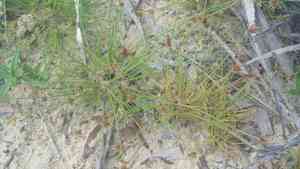
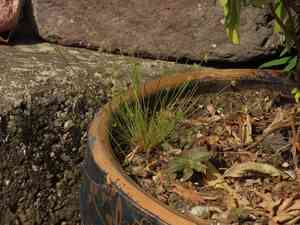
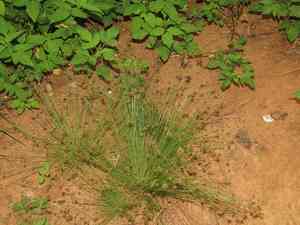
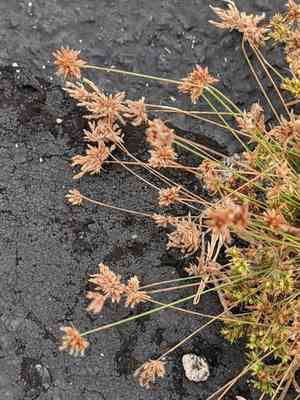
Identification of Bulbostylis barbata can be done by observing its small, tufted appearance with grass-like leaves and stems, bearing small, tufted flower heads.
Scientific Classification of Old world hairsedge
Phylum
Vascular plants
Class
Monocotyledons
Order
Poales
Family
Sedge
Genus
Bulbostylis
Species
Old world hairsedge
Planting and Growing of Old world hairsedge
Care Difficulty
Easy
Watering Schedule
Every 2 days
Sunlight Requirements
Full sun
Sunshine Duration
4-8 hours
Ideal Temperature
68-77℉
Soil Type
Potting Mix, Peat Mix
Soil pH
6.5-7.5
Fertilizer Type
Balanced
Pruning Season
Spring, Summer
Pruning Area
Branches, Leaves
Pruning Frequency
2 times a year
Repotting Season
Spring
Pot Type
Plastic, Terracotta
 How to Water Old world hairsedge?
When watering Bulbostylis barbata, aim to moisten the soil thoroughly but ensure it drains well. A good rule of thumb is to add approximately 100 mL of water, ensuring the soil is moist but not waterlogged. This amount allows the plant to maintain its healthy growth without risking waterlogged roots.
What are the symptoms of an underwatered Old world hairsedge?
›
What should I do if my Old world hairsedge is not getting enough water?
›
What are the symptoms of an overwatered Old world hairsedge?
›
How to save an overwatered Old world hairsedge?
›
 What Are the Sunlight Requirements for Old world hairsedge?
Bulbostylis barbata ideally needs full sun exposure, which translates to receiving 6 to 8 hours of direct sunlight daily. Full sun ensures optimal growth and development, maximizing the plant's natural health and aesthetic appeal.
What is the best light condition for Bulbostylis barbata?
›
How can you provide ideal lighting for Bulbostylis barbata?
›
What benefits does ideal lighting bring to Bulbostylis barbata?
›
 What Is the Ideal Temperature Range for Old world hairsedge?
The ideal temperature range for growing Bulbostylis barbata is between 68°F and 77°F. Maintaining this temperature range ensures that the plant thrives and exhibits healthy growth. Temperatures within this range provide optimal conditions for photosynthesis and nutrient uptake.
 What Soil is Best for Old world hairsedge?
Bulbostylis barbata thrives in well-drained soils that prevent water from pooling around the roots. This type of soil ensures that excess moisture does not lead to root rot or fungal diseases, providing a healthy environment for the plant to grow. Although Bulbostylis barbata can tolerate poor soils, having soil rich in organic matter can enhance growth. Organic-rich loamy soil provides essential nutrients, making the plant robust and encouraging vibrant foliage. The plant prefers soils that maintain good aeration, allowing oxygen to reach the roots effectively. Aerated soils enhance root respiration, which is crucial for nutrient absorption and the overall health of Bulbostylis barbata.
 How to Fertilize Old world hairsedge?
For Bulbostylis barbata, moderate application is key. Use a diluted, balanced liquid fertilizer at one-half the recommended strength to prevent nutrient overload. This ensures adequate nourishment without risking root burn.
 How to Prune Old world hairsedge?
Begin by removing any dead or discolored leaves and stems. Cut back to the base, making sure not to tear the plant tissue. Removing dead material helps stimulate new growth and improves air circulation. Carefully trim overgrown areas to maintain the desired shape and size of the plant. This not only helps it look tidy but also prevents it from taking over space in your garden or pots.
More About Pruning Techniques→
 How to Propagate Old world hairsedge plant?
1
Collect seeds from mature Bulbostylis barbata plants at the end of the growing season. Clean and dry them thoroughly before storing in a cool, dry place until planting.
2
Fill seed trays with a well-draining seed-starting mix. Sow the seeds evenly across the surface and cover with a thin layer of soil. Keep the trays in a warm, bright location and maintain consistent moisture until germination.
3
In early spring, dig up clumps of Bulbostylis barbata. Carefully divide the plants using a garden trowel, ensuring each division has sufficient roots. Replant promptly to minimize stress and water thoroughly.
 How to Repot Old world hairsedge plant?
1
Bulbostylis barbata needs repotting when its roots start showing through the drainage holes. Another sign is a noticeable slowdown in growth, indicating it requires more space and fresh nutrients.
2
Choose a pot that is slightly larger than the current one. It should have adequate drainage holes to prevent waterlogging. A terracotta pot is ideal as it allows good air circulation to keep the roots healthy.
3
Opt for well-draining sandy loam soil. This type of soil mimics the plant's natural habitat, providing good drainage which prevents root rot while retaining just enough moisture for healthy growth.



