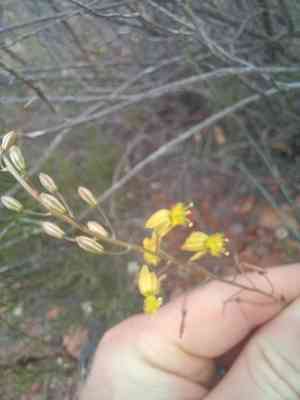
Bulb-shaped tuber (Bulbine) (Bulbine)
Also known as: Bulbine, Snake flower, Cat's tail
Bulbine is a small genus of succulent plants with tufted, deciduous leaves. They are known for their long, spiky, yellow or orange flower clusters which bloom primarily in spring and summer. These drought-tolerant plants are native to southern Africa and parts of Australia.
In This Article
Attributes of Bulb-shaped tuber (Bulbine)
Lifespan
Perennial
Plant Height
30 cm to 45 cm (12 to 18 inches)
Spread
45 cm to 60 cm (18 to 24 inches)
Leaf Color
Green
Flower Size
1 cm to 2 cm (0.4 to 0.8 inches)
Flower Color
Yellow or orange
Images of Bulb-shaped tuber (Bulbine)
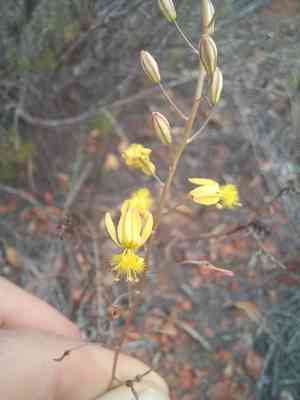
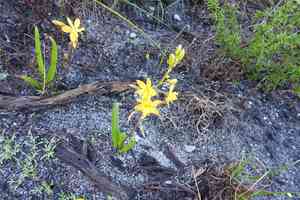
Quickly Identify Bulb-shaped tuber (Bulbine)
1
Bulbine can be identified by its fleshy, cylindrical leaves and its distinctively tall flower spikes adorned with numerous small blossoms. The flowers typically have yellow or orange petals with a central stem.
Scientific Classification of Bulb-shaped tuber (Bulbine)
Phylum
Angiosperms
Class
Monocots
Order
Asparagales
Family
Asphodelaceae
Genus
Bulbine
Planting and Growing of Bulb-shaped tuber (Bulbine)
Care Difficulty
Easy
Watering Schedule
Every 2 days
Sunlight Requirements
Full sun
Sunshine Duration
6-10 hours
Ideal Temperature
65-75℉
Soil Type
Potting Mix, Peat Mix
Soil pH
6.5-7.5
Fertilizer Type
Balanced
Pruning Season
Spring, Summer
Pruning Area
Branches, Leaves
Pruning Frequency
2 times a year
Repotting Season
Spring
Pot Type
Plastic, Ceramic
 How to Water Bulb-shaped tuber (Bulbine)?
Bulbine plants enjoy a drink but prefer their soil to dry out between waterings. Ensure that the soil is moist but not waterlogged to prevent root rot. Always check the first inch of soil; if it's dry, then it's time to water.
What are the symptoms of an underwatered Bulb-shaped tuber (Bulbine)?
›
What should I do if my Bulb-shaped tuber (Bulbine) is not getting enough water?
›
What are the symptoms of an overwatered Bulb-shaped tuber (Bulbine)?
›
How to save an overwatered Bulb-shaped tuber (Bulbine)?
›
 What Are the Sunlight Requirements for Bulb-shaped tuber (Bulbine)?
Bulbine flourishes in full sun to partial sun conditions. Ideal sunlight ensures abundant blooms, robust growth, and vibrant foliage, vital for a stunning and healthy appearance.
How much sunlight does Bulbine prefer?
›
How can I provide ideal sunlight for Bulbine indoors?
›
Why is ideal sunlight essential for Bulbine?
›
 What Is the Ideal Temperature Range for Bulb-shaped tuber (Bulbine)?
Bulbine plants thrive best within temperatures of 65 to 75 °F. This range is optimal for their growth as it simulates the mild, temperate climates they are native to. Maintaining this temperature ensures that the plant's metabolic processes, such as photosynthesis and nutrient absorption, occur efficiently.
 What Soil is Best for Bulb-shaped tuber (Bulbine)?
Bulbine thrives in well-drained soil because it prevents root rot and other moisture-related issues. This ensures the plant grows healthily with vibrant blooms. While Bulbine can tolerate poor soils, it benefits from a nutrient-rich composition that supports robust growth and foliage density. Bulbine prefers soil with low salinity levels, ensuring its roots absorb essential nutrients efficiently without being hindered by salt stress.
 How to Fertilize Bulb-shaped tuber (Bulbine)?
For Bulbine, the optimal fertilization amount involves using a balanced fertilizer, such as a 10-10-10 formula. For liquid fertilizer, mix at one-quarter strength to avoid nutrient burn. Apply less rather than more, as over-fertilization can cause foliage burn or root damage.
 How to Prune Bulb-shaped tuber (Bulbine)?
Start by removing any brown or relaxed stems at the base using clean, sharp pruning shears. Trim back long flower spikes once they have faded, cutting close to the base. This encourages new blooms and keeps the plant looking tidy. Avoid cutting into the central rosette. It’s best to prune your Bulbine during growing seasons such as spring and early summer. This helps the plant to direct its energy towards producing vibrant new growth while ensuring a healthy blooming cycle.
 How to Propagate Bulb-shaped tuber (Bulbine) plant?
1
Wait for seed pods to dry out on the plant before collecting them. Once dry, gently remove the seeds, being careful not to damage them. Store seeds in a cool, dry place until ready for sowing.
2
Select healthy, non-flowering stems for cuttings. Use a sharp knife or pruners to cut just below a node. Remove the lower leaves and dip the cut end in rooting hormone to encourage root formation.
3
Dig up the plant carefully and shake off excess soil. Look for natural divisions in the root system and use a sharp tool to separate these sections. Replant the divisions promptly in prepared soil.
 How to Repot Bulb-shaped tuber (Bulbine) plant?
1
Bulbine plants should be repotted when you notice they're outgrowing their pot or if water isn't draining as quickly. Spring and summer are ideal times since the plant is in its active growth season. If the roots are visibly pushing through drainage holes or the plant appears to be top-heavy, it’s time to consider repotting.
2
Select a pot that is one size larger than the current one. Ensure it has ample drainage holes to avoid waterlogging, which could lead to root rot. A slightly heavy pot is preferred, as it helps stabilize the plant and prevents toppling over, especially when Bulbine grows bushier.
3
A well-draining potting mix specifically formulated for succulents or cacti suits Bulbines best. Such soil mixtures typically contain materials like sand, perlite, or pumice, promoting excellent drainage and preventing root rot, which is a common issue with overwatered plants.

