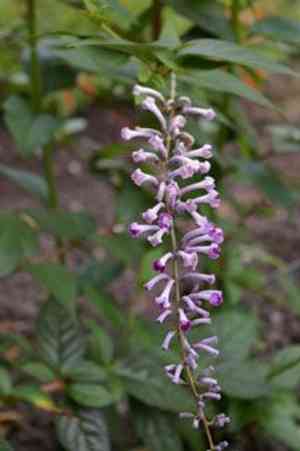
Butterfly Bush (Buddleja japonica)
Also known as: Japanese Butterfly Bush
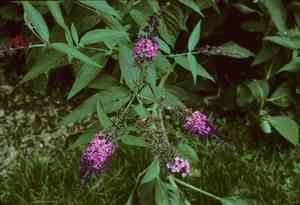
Buddleja japonica grows to < 1.5 m in height in the wild open in habit and sparsely branched. The branches are tetragonous and winged. The leaves are narrowly lanceolate < 20 cm long by < 5 cm wide the upper surface dark green and glabrous the underside tawny felted. The flowers form dense drooping terminal panicles < 20 cm long usually pale lilac in colour from summer to fall.
In This Article
Attributes of Butterfly Bush
Lifespan
Perennial
Plant Type
Shrub
Plant Height
1.5 m
Spread
1.2 m
Leaf Color
Green (upper side), whitish (underside)
Flower Size
5 - 10 cm (panicle length)
Flower Color
Lilac to purple
Images of Butterfly Bush
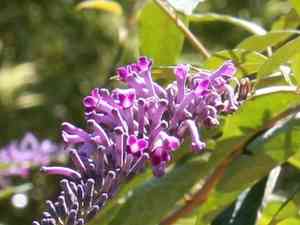
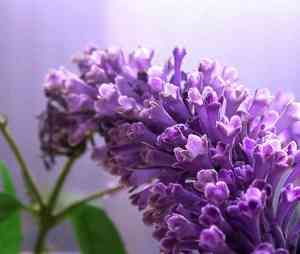
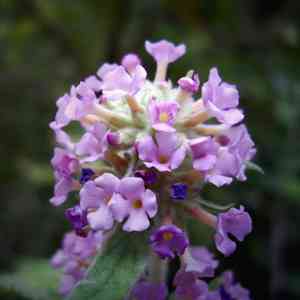
Quickly Identify Butterfly Bush
1
Buddleja japonica can be identified by its long, lance-shaped leaves and panicles of lilac or purple flowers that bloom in summer. The leaves have a whitish underside, and the plant typically has a sprawling habit.
Scientific Classification of Butterfly Bush
Phylum
Vascular plants
Class
Dicotyledons
Order
Lamiales
Family
Figwort
Genus
Butterfly bushes
Species
Butterfly Bush
Planting and Growing of Butterfly Bush
Care Difficulty
Easy
Watering Schedule
Every 3 days
Sunlight Requirements
Full sun
Sunshine Duration
6-8 hours
Ideal Temperature
65-75℉
Soil Type
Potting Mix, Peat Mix
Soil pH
6.5-7.5
Fertilizer Type
Balanced
Pruning Season
Spring, Summer
Pruning Area
Branches, Leaves
Pruning Frequency
2 times a year
Repotting Season
Spring
Pot Type
Plastic, Ceramic
 How to Water Butterfly Bush?
When watering Buddleja japonica, it is essential to ensure that the soil is consistently moist but not waterlogged. Watering with about 500ml should suffice, allowing the water to reach the roots without causing standing water at the base of the pot. Adjust the amount if the plant is in a larger pot or outdoors.
What are the symptoms of an underwatered Butterfly Bush?
›
What should I do if my Butterfly Bush is not getting enough water?
›
What are the symptoms of an overwatered Butterfly Bush?
›
How to save an overwatered Butterfly Bush?
›
 What Are the Sunlight Requirements for Butterfly Bush?
Buddleja japonica thrives in full sun to partial sun settings. Ideal light boosts photosynthesis, enhances flowering, and improves robustness, presenting lush and vibrant foliage.
What is the best lighting condition for Buddleja japonica?
›
What are the ideal lighting solutions?
›
What benefits can ideal lighting bring?
›
 What Is the Ideal Temperature Range for Butterfly Bush?
Buddleja japonica thrives best within a temperature range of 65 to 75°F. This range provides optimal conditions for growth and flowering, ensuring the plant remains healthy and vigorous. In such mild climatic conditions, the plant can efficiently perform photosynthesis and other metabolic functions necessary for sustainability and growth.
 What Soil is Best for Butterfly Bush?
Buddleja japonica thrives in nutrient-rich soils that provide essential minerals and organic compounds. Having nutrient-dense soil improves the plant's growth rate and flowering potential, making it more vibrant and healthy. This species prefers soils that drain well, preventing waterlogged conditions which can harm the roots. Proper drainage enhances root health, reducing rot and promoting robust plant structure. The plant flourishes in soils that can retain moderate moisture without becoming too dry or overly soggy. Maintaining adequate moisture supports the plant's metabolic processes and keeps it lush.
 How to Fertilize Butterfly Bush?
Buddleja japonica benefits from a balanced fertilization regimen. Use a general-purpose, water-soluble fertilizer diluted to half strength during the growing season. Start with about 10 grams per plant per application, adjusted based on plant size and health.
 How to Prune Butterfly Bush?
Start by removing any dead or damaged branches, cutting them back to healthy growth. This allows the plant to focus energy on robust parts, boosting its vigor. Trim back the outer branches to shape the plant as desired. A rounded or slightly conical shape is often preferred. This not only keeps the plant visually appealing but also supports even sunlight access. Thinning involves removing some of the older, denser growth within the center of the plant. This process opens up the canopy, enhancing light penetration and air circulation which are crucial to the plant's overall health.
More About Pruning Techniques→
 How to Propagate Butterfly Bush plant?
1
Choose healthy, non-flowering shoots of about 4-6 inches in length. Ensure they are free from disease and pests and have a few nodes to promote rooting.
2
Remove the lower leaves of each cutting, leaving a few leaves at the top. Dip the cut end into rooting hormone to aid in the development of roots.
3
Insert the cuttings into a container filled with a sterile rooting medium. Ensure that at least one node is buried to promote root growth, and water the cuttings lightly to maintain moisture.
 How to Repot Butterfly Bush plant?
1
Buddleja japonica shows it needs repotting when roots appear at soil surface or drainage holes. Spring is optimal as the plant's growth cycle starts, helping it recover faster from the repotting shock.
2
Select a pot that's one size bigger than the current one, with ample drainage holes. This allows enough space for growth and prevents waterlogging, promoting healthy root development and minimizing the risk of root rot.
3
Opt for well-draining loamy soil to support Buddleja japonica. This type of soil retains adequate moisture while allowing excess water to drain, maintaining optimal moisture levels for root health and vigorous growth.
Learn More About Butterfly Bush Diseases
Anthracnose
Bacterial Leaf Spot
Bacterial Wilt
Crown Gall
Damping-off
Downy Mildew
Drought Stress
Fusarium Wilt
Gray Mold
Leaf Curl
Leaf Spot
Mosaic
Nutrient Deficiency
Nutrient Toxicity
Powdery Mildew
Root Rot
Root-knot Nematode
Rusts
Sooty Mold
Spider Mites
Temperature Stress
Thrips Damage
White Mold



