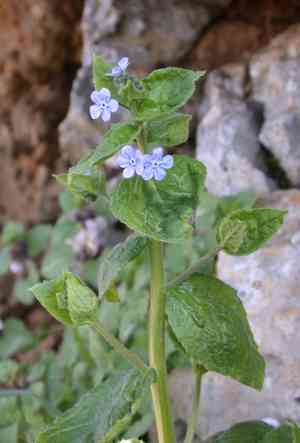
Brunnera (Brunnera) (Brunnera)
Also known as: Siberian bugloss, False Forget-me-not
Brunnera are flowering plants that produce a wide range of blue flowers and green or variegated foliage. They are generally used as a spreading ground cover by gardeners. Other names given to brunnera include bugloss or false forget-me-not. They are perennials, so they die back in the winter, but are easy to care for year-round.
In This Article
Attributes of Brunnera (Brunnera)
Lifespan
Perennial
Plant Height
50 cm
Spread
60 cm
Leaf Color
Green, often with white or silver variegation
Flower Size
0.2-0.3 inches (5-8 mm)
Flower Color
Blue
Images of Brunnera (Brunnera)
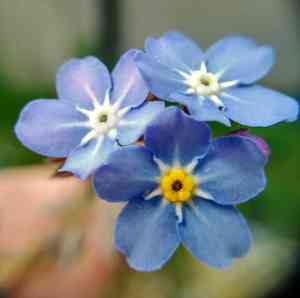
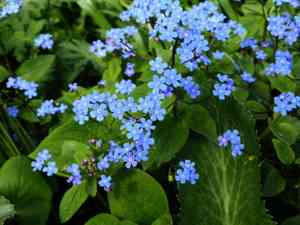
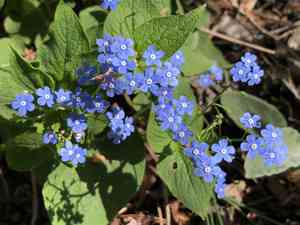
Quickly Identify Brunnera (Brunnera)
1
Brunnera can be identified by its heart-shaped leaves that often have white or silver markings and its delicate blue flowers that bloom in spring.
Scientific Classification of Brunnera (Brunnera)
Phylum
Magnoliophyta
Class
Magnoliopsida
Order
Boraginales
Family
Boraginaceae
Genus
Brunnera
Planting and Growing of Brunnera (Brunnera)
Care Difficulty
Easy
Watering Schedule
Every 3 days
Sunlight Requirements
Partial sun
Sunshine Duration
6-10 hours
Ideal Temperature
60-70℉
Soil Type
Potting Mix, Peat Mix
Soil pH
6.5-7.5
Fertilizer Type
Balanced
Pruning Season
Spring, Summer
Pruning Area
Branches, Leaves
Pruning Frequency
2 times a year
Repotting Season
Spring
Pot Type
Plastic, Terracotta
 How to Water Brunnera (Brunnera)?
Brunnera plants prefer moist, well-drained soil. You should aim to provide them with about 500 ml of water per session, soaking the soil thoroughly but ensuring it doesn't become soggy. The goal is to keep the soil consistently moist, similar to a wrung-out sponge, but never waterlogged.
What are the symptoms of an underwatered Brunnera (Brunnera)?
›
What should I do if my Brunnera (Brunnera) is not getting enough water?
›
What are the symptoms of an overwatered Brunnera (Brunnera)?
›
How to save an overwatered Brunnera (Brunnera)?
›
 What Are the Sunlight Requirements for Brunnera (Brunnera)?
Brunnera's ideal light range includes partial sun to partial shade, ensuring the plant can achieve a balance of light and darkness. This range is optimal for lush growth, preventing photodamage, and maintaining vibrant foliage.
What is Brunnera's ideal light condition?
›
How can I achieve the ideal lighting for Brunnera?
›
What benefits does Brunnera gain from ideal lighting?
›
 What Is the Ideal Temperature Range for Brunnera (Brunnera)?
Brunnera plants perform best in moderately cool temperatures ranging from 60°F to 70°F. This range allows for optimal photosynthesis and growth processes, supporting lush foliage and vibrant flowering.
 What Soil is Best for Brunnera (Brunnera)?
Brunnera thrives in well-draining soil that allows excess water to escape, preventing root rot and fostering healthy growth. The plant favors soil that retains moisture without becoming waterlogged, providing a steady supply of water while avoiding oversaturation. Brunnera benefits from soil enriched with organic matter, enhancing nutrient availability and promoting lush foliage.
 How to Fertilize Brunnera (Brunnera)?
For Brunnera, use a balanced, water-soluble fertilizer diluted to half strength. Typically, 1 tablespoon per gallon of water is recommended. This helps provide essential nutrients without overwhelming the plant.
 How to Prune Brunnera (Brunnera)?
To prune Brunnera effectively, start by identifying any dead or damaged leaves. Using sharp pruning shears, gently snip these leaves off at the base of the stem. This not only improves the plant's appearance but also encourages healthy new growth. Consider pruning after the plant has finished blooming to maintain its shape. Once Brunnera has completed its blooming period, it's beneficial to remove the spent flower stalks. Carefully cut them back to the base to prevent seed formation, which can sap energy from the plant. This process channels the plant's resources back to root and foliage growth, keeping it vigorous.
 How to Propagate Brunnera (Brunnera) plant?
1
Begin by collecting mature seeds from existing Brunnera plants in the late spring. Sow these seeds thinly in seed trays filled with well-draining potting mix. Cover them lightly with soil, and maintain even moisture without overwatering.
2
In early spring, choose a mature Brunnera plant with established growth. Dig around the base, lift the clump, and gently separate the plant into sections, ensuring each division has roots attached. Replant the divisions into prepared soil immediately.
3
After sowing seeds or planting divisions, water them thoroughly. Keep the soil evenly moist but not waterlogged. Monitor for signs of new growth, which indicates successful propagation. Adjust watering based on rainfall and temperature changes.
 How to Repot Brunnera (Brunnera) plant?
1
You should consider repotting your Brunnera when you notice roots protruding from the drainage holes or if the plant becomes root-bound, meaning the roots have filled the pot completely. Another signal is when the plant seems to outgrow its container, causing a lack of vigor or poor flowering. Spring and early summer are typically the best times to do this, as the plant is actively growing and can recover more easily from the disturbance.
2
When selecting a pot for repotting your Brunnera, opt for one that is only slightly larger than the current one, ideally 1-2 inches wider in diameter. This prevents excessive soil retention that could lead to waterlogging. A pot with adequate drainage holes ensures excess water escapes, improving root health. Material-wise, terracotta pots are often recommended for their porous nature, which allows the soil to breathe and maintain a healthy moisture balance.
3
Brunnera thrives in moist, rich organic soil. A good mix includes compost, peat moss, and perlite for drainage. The right soil should retain some moisture but not stay soggy, preventing root rot. This balance ensures the plant receives enough water while allowing necessary air circulation around the roots, promoting healthy growth and flowering.

