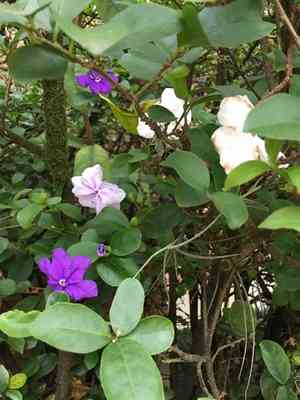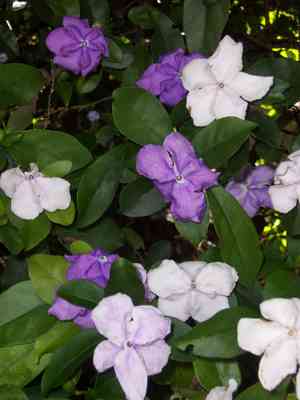
Lady of the night(Brunfelsia uniflora)

Lady of the night (Brunfelsia uniflora)

Also known as: Christmas bloom, White tree, Vegetable mercury, Good night

Lady of the Night (Brunfelsia uniflora) is a tropical evergreen shrub that typically grows between 2.5 to 7 meters in height. It produces highly fragrant, yellowish-white flowers in the spring, which are known to attract butterflies and moths. This plant is native to the Amazon and is often used to make perfume from its floral oils.

**Growing Conditions:**
- **Light**: Prefers partial shade but can tolerate some sun.
- **Soil**: Thrives in well-draining, slightly acidic soil.
- **Water**: Needs consistently moist soil; water when the top layer feels dry, but avoid waterlogging.
- **Temperature**: Favors warm temperatures between 60-85°F (15-29°C) and must be protected from frost.
- **Humidity**: Benefits from moderate to high humidity.
- **Fertilization**: Use a balanced fertilizer during the growing season for optimal growth and blooming.

Regular pruning can help maintain its shape and encourage more prolific blooming.

Attributes of Lady of the night

Lifespan
Perennial
Plant Type
Tree, Shrub
Plant Height
50 cm to 3 m
Spread
90 cm to 1.2 m
Leaf Color
Green
Flower Size
1.5 cm to 3 cm
Flower Color
White Pink Purple

ForwardPlant - Identify plants with a snap

Identify and diagnose plants, get toxicity alerts, and explore safety guides for all types of fungi.

Try for Free

Images of Lady of the night

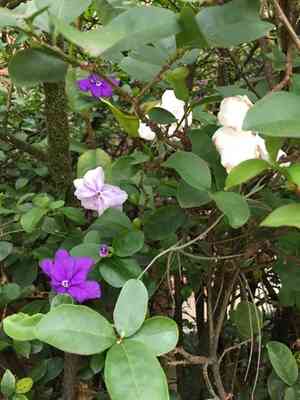
Lady of the night(Brunfelsia uniflora)

Quickly Identify Lady of the night

1
Identify Brunfelsia uniflora by its distinctive tri-colored flowers, beginning as purple and transitioning to lavender, then white. The plant has ovate leaves with smooth edges and a glossy surface. Look for a dense, bushy shrub structure and a pleasant fragrance emanating from the flowers.

Scientific Classification of Lady of the night

Phylum
Vascular plants
Class
Dicotyledons
Order
Solanales
Family
Nightshade
Genus
Lady of the night
Species
Lady of the night

Planting and Growing of Lady of the night

Care Difficulty
Easy
Watering Schedule
Every 3 days
Sunlight Requirements
Partial sun
Sunshine Duration
6-10 hours
Ideal Temperature
65-75℉
Soil Type
Potting Mix, Peat Mix
Soil pH
6.5-7.5
Fertilizer Type
Balanced
Pruning Season
Spring, Summer
Pruning Area
Branches, Leaves
Pruning Frequency
2 times a year
Repotting Season
Spring
Pot Type
Plastic, Ceramic

water icon How to Water Lady of the night?

Brunfelsia uniflora, commonly known as Yesterday-Today-and-Tomorrow, thrives with consistent moisture without being waterlogged. It prefers a deep watering of approximately 500 ml to ensure that the roots receive adequate hydration, avoiding dry soil but also preventing standing water.
What are the symptoms of an underwatered Lady of the night?
What should I do if my Lady of the night is not getting enough water?
What are the symptoms of an overwatered Lady of the night?
How to save an overwatered Lady of the night?
More About Watering Techniques

sunlight icon What Are the Sunlight Requirements for Lady of the night?

Sunlight Requirements: Partial sun, Full shade
Duration of light: 2 to 4 hours
Brunfelsia uniflora's ideal light range is partial sunlight. Proper lighting encourages lush growth and bountiful blooming, enhancing leaf health, bloom frequency, and overall vitality.
How much sunlight does Brunfelsia uniflora need?
What solutions help achieve ideal light levels?
What are the benefits if Brunfelsia uniflora receives ideal light?
More About Sunlight Requirements Techniques

temperature icon What Is the Ideal Temperature Range for Lady of the night?

Ideal Temperature: 65 ~ 75℉
Brunfelsia uniflora thrives best in temperatures ranging from 65°F to 75°F. This range allows for optimal growth and blooming. In this temperature band, the plant's metabolic processes function efficiently, ensuring that energy production and nutrient uptake occur at ideal levels.

soil icon What Soil is Best for Lady of the night?

Soil type: Loam, Sandy loam
Soil PH: 6.5 ~ 7.5
Brunfelsia uniflora thrives in well-drained soil, which prevents root rot by allowing excess water to escape easily. This supports healthy root development and ensures the plant's overall vitality. A nutrient-rich soil is essential for Brunfelsia uniflora as it requires adequate minerals for lush growth and vibrant flowering. The presence of organic matter boosts soil fertility, promoting a more robust plant. While drainage is crucial, maintaining a balanced level of moisture in the soil is also vital for Brunfelsia uniflora. Moisture retention supports sustained hydration and reduces water stress during dry periods, fostering consistent growth. More About Soil

fertilize icon How to Fertilize Lady of the night?

Fertilizer type: Balanced
Brunfelsia uniflora's fertilization needs are moderate. Use a balanced liquid fertilizer at half strength, about 1 tablespoon per gallon of water. This prevents nutrient burn while providing essential growth nutrients. Solid, slow-release fertilizers should be applied sparingly, about a teaspoon per foot of plant height, to avoid excess nutrient buildup. More About Fertilizing Techniques

prune icon How to Prune Lady of the night?

Pruning Time: Spring, Summer, Autumn
Start by cutting back the largest and most unruly branches. This simplifies the plant's structure and makes it easier to shape and manage further. Once the main branches are pruned, trim smaller branches to achieve your desired shape. Always cut just above a node to promote new growth in the right direction. Look for any suckers growing at the base of the plant or along the main stems. These should be removed as they can divert energy from healthy growth and desired blooms. More About Pruning Techniques

propagate icon How to Propagate Lady of the night plant?

Propagate Time: Spring, Early summer
1
Choose cuttings that are about 4 to 6 inches long with at least two to three sets of leaves. Make sure the stem is healthy and free from any signs of disease or pests.
2
Fill small pots with sterilized potting mix, ensuring good drainage by adding small stones or perlite at the bottom. Water the mix thoroughly to ensure it is moist but not waterlogged.
3
Gently insert the cut end of each cutting into the prepared potting mix. It’s important to plant deep enough to support the cutting, up to the first set of leaves.
More About Propagating Techniques

repot icon How to Repot Lady of the night plant?

Repotting frequency: Every 2-3 years
1
Brunfelsia uniflora should be repotted when you notice a few key signals: roots start creeping out of the drainage holes, water is not being absorbed effectively, or the plant becomes top-heavy and unstable. Ideally, these activities are observed in early spring when the plant initiates new growth.
2
Choose a pot that is one size larger than the current one and has adequate drainage holes. This ensures the roots have enough space to grow while preventing waterlogging, which is crucial for the delicate root system of Brunfelsia uniflora.
3
Opt for a well-draining soil mix rich in organic matter and slightly acidic in nature. This choice mirrors their natural habitat and promotes healthy root growth while preventing root rot and nutritional deficiencies.

ForwardPlant - Identify plants with a snap

Find the best spots for them to optimize their health, simply using your phone.

Try for Free

Toxicity of Lady of the night

Is Lady of the night toxic to humans?

The Lady of the Night is recognized for possessing a moderate degree of toxicity to humans, with every part of the plant posing potential harm if ingested. Its poisonous nature can be attributed to the presence of the toxic compound brunfelsamidine. Upon ingestion, individuals might experience a variety of symptoms that can include gastrointestinal issues such as nausea and vomiting, alongside neurological effects like tremors or seizures. The intensity of these symptoms can fluctuate based on the quantity consumed. Given that lady of the night is generally not used as food, poisoning primarily occurs through accidental ingestion. It is crucial for individuals to understand the dangers associated with lady of the night and to take measures to avoid accidental consumption, particularly in areas where the plant is found.

Is Lady of the night toxic to cat?

The Lady of the Night plant presents a moderate toxicity risk to felines. If a cat inadvertently ingests any part of this plant, it could lead to poisoning, as the entire Lady of the Night is toxic. Upon consumption, cats may display symptoms of physical distress, which is certainly a cause for alarm. The toxic compound identified in Lady of the Night, Brunfelsamidine, is responsible for the negative effects observed in cats. Should a cat show signs of illness after contact with the Lady of the Night, it is crucial to seek veterinary assistance promptly to guarantee their health and safety.

Is Lady of the night toxic to dog?

Brunfelsia uniflora, widely referred to as 'Lady of the Night', presents a moderate toxicity risk to dogs. Canines might unintentionally consume parts of lady of the night, resulting in poisoning. The entire plant is toxic, indicating that ingestion of any leaves, flowers, or stems can be dangerous. Signs of poisoning in dogs may include gastrointestinal distress, tremors, seizures, and cardiovascular issues. The harmful compound identified in lady of the night is Brunfelsamidine. If you suspect your dog has ingested any part of the lady of the night plant, it is essential to seek prompt veterinary attention to ensure the best possible recovery for your pet.

Identify toxic plants for your safety

Learn which plants are harmful to you and your pets, and make informed choices for a safer home!

Try for Free
WARNING
The judgment on toxicity and danger is for reference only. We DO NOT GUARANTEE any accuracy of such judgment. Therefore, you SHALL NOT rely on such judgment. It is IMPORTANT TO SEEK PROFESSIONAL ADVICE in advance when necessary.
More About Toxic Techniques