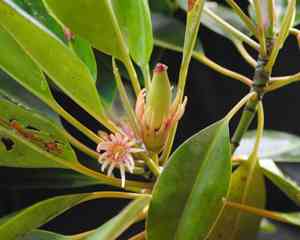
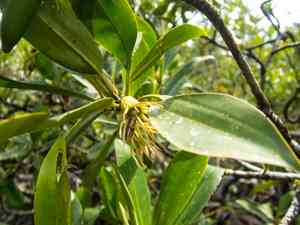
Oriental mangrove (Bruguiera sexangula)
Also known as: Six-angled orange mangrove
The oriental mangrove, a sizable tree with distinctive creamy orange blossoms pollinated solely by sunbirds, has experienced a significant population decrease, with around 20% of its native range suffering losses. This decline is largely due to several interrelated factors:
1. **Habitat Loss**: Coastal development and deforestation are major contributors to the reduction of mangrove ecosystems.
2. **Environmental Changes**: Climate change, including rising sea levels and more frequent storms, adversely affects these habitats.
3. **Pollution**: Runoff from agriculture and industry introduces harmful pollutants into the water, impacting mangrove health.
4. **Resource Exploitation**: The tree is often harvested for its tannin-rich wood and used as a fuel source, further depleting its numbers.
5. **Pollinator Issues**: The decline in sunbird populations, due to habitat destruction and other environmental pressures, hampers the mangrove's ability to reproduce.
These combined pressures have led to the notable decline of the oriental mangrove population.
Attributes of Oriental mangrove
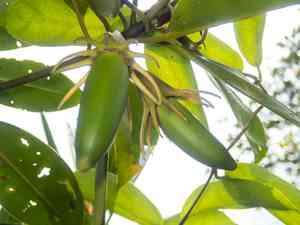
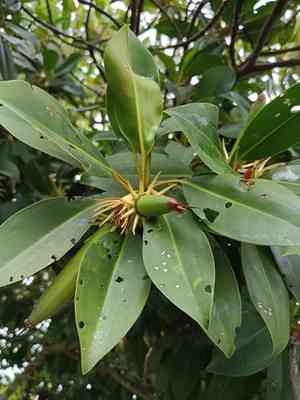
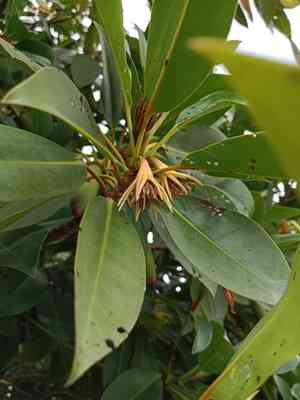
Images of Oriental mangrove
 How to Water Oriental mangrove?
  What Are the Sunlight Requirements for Oriental mangrove?
  What Is the Ideal Temperature Range for Oriental mangrove?
  What Soil is Best for Oriental mangrove?
  How to Fertilize Oriental mangrove?
  How to Prune Oriental mangrove?
  How to Propagate Oriental mangrove plant?
 How to Repot Oriental mangrove plant?



