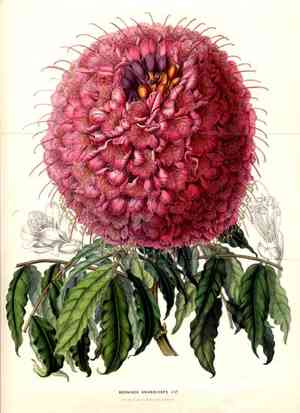
Scarlet flame bean (Brownea grandiceps)
Also known as: Rose of Venezuela, Scarlet Flame Bean
The terrestrial tree known for its cup-shaped red flowers, which attract hummingbirds, is called the **Brownea grandiceps**. Named after the famous Irish botanist Patrick Browne, this tree thrives in tropical climates and is often referred to as the scarlet flame bean. Its vibrant flowers produce sweet nectar that draws in hummingbirds.
In This Article
Attributes of Scarlet flame bean
Lifespan
Perennial
Plant Type
Tree
Plant Height
8 m
Spread
4.5 m
Leaf Color
Green Brown
Flower Size
15 cm to 30 cm
Flower Color
Red Orange
Images of Scarlet flame bean
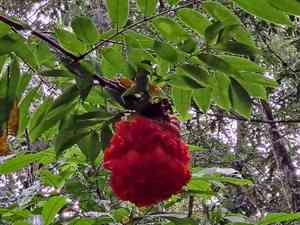
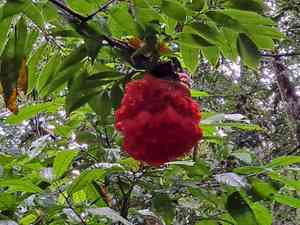
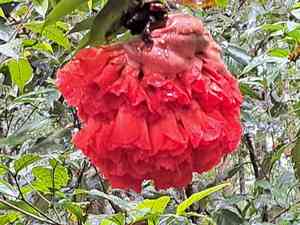
Quickly Identify Scarlet flame bean
1
Look for large, round clusters of red to deep pink flowers, lush green leaves, and a moderately tall tree height. The tree has a dense, rounded crown and the flowers are especially distinctive, resembling a pompoms.
Scientific Classification of Scarlet flame bean
Phylum
Vascular plants
Class
Dicotyledons
Order
Legumes, milkworts and allies
Family
Legume
Genus
Brownea
Species
Scarlet flame bean
Planting and Growing of Scarlet flame bean
Care Difficulty
Hard
Watering Schedule
Every 3 days
Sunlight Requirements
Partial sun
Sunshine Duration
6-12 hours
Ideal Temperature
75-85℉
Soil Type
Potting Mix, Peat Mix
Soil pH
6.5-7.5
Fertilizer Type
Balanced
Pruning Season
Spring, Summer
Pruning Area
Branches, Leaves
Pruning Frequency
2 times a year
Repotting Season
Spring
Pot Type
Plastic, Ceramic
 How to Water Scarlet flame bean?
Brownea grandiceps thrives when provided with consistent moisture. Approximately 500 milliliters per watering session ensures enough hydration, without overwhelming the root system. Water deeply until it begins to drain from the bottom of the pot. This encourages healthy root growth by reaching deep roots and prevents surface shallow watering, which might not suffice.
What are the symptoms of an underwatered Scarlet flame bean?
›
What should I do if my Scarlet flame bean is not getting enough water?
›
What are the symptoms of an overwatered Scarlet flame bean?
›
How to save an overwatered Scarlet flame bean?
›
 What Are the Sunlight Requirements for Scarlet flame bean?
Brownea grandiceps thrives best in partial shade, benefitting from indirect light throughout the day. Proper light exposure supports robust growth and enhances flower vibrancy and frequency.
More About Sunlight Requirements Techniques→
Solution for Optimal Light
›
Steps to Provide Ideal Light
›
Benefits of Optimal Lighting
›
 What Is the Ideal Temperature Range for Scarlet flame bean?
The ideal temperature range for Brownea grandiceps, commonly known as the Rose of Venezuela, is between 75°F and 85°F. These conditions mimic its native tropical habitat, encouraging robust growth and blossoming. Maintaining this temperature range ensures the plant's health and vibrancy.
 What Soil is Best for Scarlet flame bean?
Brownea grandiceps thrives in nutrient-rich soil that supports vibrant growth and abundant flowering. Nutrient-rich soil ensures the plant receives adequate minerals and nutrients necessary for robust health and development. This plant requires soil with excellent drainage to prevent waterlogging and root rot. By providing well-draining soil, you ensure that excess water is efficiently removed, promoting a healthy root system. While drainage is crucial, the soil should also retain some moisture to keep the plant hydrated. This balance helps maintain an optimal moisture level that supports continuous growth and flowering.
 How to Fertilize Scarlet flame bean?
When fertilizing Brownea grandiceps, use a balanced fertilizer such as a 10-10-10 or 14-14-14. Apply liquid fertilizer at a rate of 1 tablespoon per gallon of water, sufficient for a monthly regimen. For slow-release granules, use about 1/3 cup per plant, evenly spread across the soil surface.
 How to Prune Scarlet flame bean?
Start by identifying dead or diseased branches and cut them back to their base. Trim branches that cross or rub against each other to prevent wounds. Shape the tree by maintaining a balanced silhouette but avoid excessive trimming which might stress the plant. To encourage more flowers, cut back the tips of the branches lightly. This encourages branching and results in more flower buds. Aim to prune just after the blooming season to set the plant up for abundant blossoms next time.
More About Pruning Techniques→
 How to Propagate Scarlet flame bean plant?
1
Soak the seeds in warm water for approximately 24 hours to enhance germination. This will help soften the seed coat, making it easier for the plant to sprout.
2
Using clean pruning shears, select semi-hardwood cuttings, about 10-15 cm in length. Avoid overly woody or soft stems, as they may not root effectively.
3
Insert the cuttings into a pot filled with a potting mix. Ensure at least two nodes are buried under the soil, keeping the pot in a warm and humid environment.
 How to Repot Scarlet flame bean plant?
1
Repot Brownea grandiceps when you notice roots circling the pot's edges or poking through drainage holes. These signs indicate that the plant is root-bound and needs more space. Look for these cues particularly in the spring or early summer, when the plant is most ready for a transition.
2
Select a pot that's 2-3 inches larger in diameter than the current one. Ensure it has good drainage holes to prevent waterlogging, which can lead to root rot. A slightly larger pot provides adequate space for root expansion without overwhelming the plant, promoting healthy growth.
3
Opt for a well-draining, loamy soil mix. This type of soil ensures proper air circulation around the roots and prevents soggy conditions. It facilitates water drainage while retaining enough moisture for the plant's needs, creating an ideal environment for flourishing growth.



