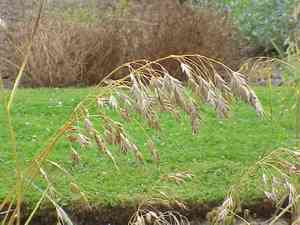
Bromes (Bromus) (Bromus)
Also known as: Cheat grasses
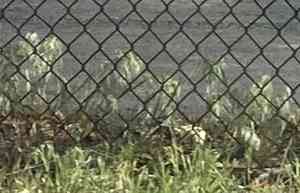
Bromes are classified as "cool-season" grasses because they experience peak growth during the cooler temperatures of spring and fall, rather than in the heat of summer. While they appear green and lush in early spring, making them initially attractive to grazing animals, they soon become tough and brown, reducing their value as fodder.
In This Article
Attributes of Bromes (Bromus)
Lifespan
Annual, Biennial, Perennial
Plant Height
0.5 to 1.5 meters
Spread
N/A
Leaf Color
Green to grayish-green
Flower Size
N/A
Flower Color
White Yellow Green
Images of Bromes (Bromus)
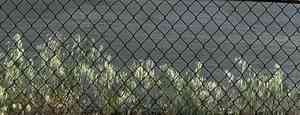
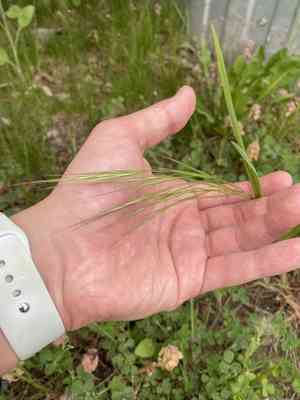
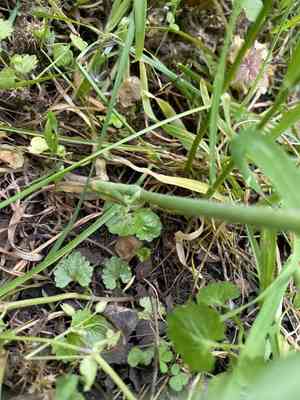
Quickly Identify Bromes (Bromus)
1
Bromus species can be identified by their spikelets with several florets, complex branched inflorescences, and leaf sheaths that are typically hairy and open to the base.
Scientific Classification of Bromes (Bromus)
Phylum
Magnoliophyta
Class
Liliopsida
Order
Poales
Family
Poaceae
Genus
Bromus
Planting and Growing of Bromes (Bromus)
Care Difficulty
Moderate
Watering Schedule
Every 3 days
Sunlight Requirements
Full sun
Sunshine Duration
4-8 hours
Ideal Temperature
60-75℉
Soil Type
Potting Mix, Peat Mix
Soil pH
5.5-8
Fertilizer Type
Balanced
Pruning Season
Spring, Summer
Pruning Area
Branches, Leaves
Pruning Frequency
2 times a year
Repotting Season
Spring
Pot Type
Terracotta, Plastic
 How to Water Bromes (Bromus)?
Bromus benefits from a moderate watering amount of approximately 500 milliliters per session. It's essential to ensure that the water penetrates deeply into the soil, reaching the root zone. Make sure the topsoil is moist but not excessively soaked, adhering to the principle that the soil should dry out slightly between waterings.
What are the symptoms of an underwatered Bromes (Bromus)?
›
What should I do if my Bromes (Bromus) is not getting enough water?
›
What are the symptoms of an overwatered Bromes (Bromus)?
›
How to save an overwatered Bromes (Bromus)?
›
 What Are the Sunlight Requirements for Bromes (Bromus)?
Bromus prefers full to partial sun exposure, with 5-7 hours as an ideal light range. This ensures optimal growth, vigor, and the development of healthy foliage.
What is the ideal lighting condition for Bromus?
›
How to achieve ideal lighting conditions for Bromus?
›
Benefits of ideal lighting conditions for Bromus?
›
 What Is the Ideal Temperature Range for Bromes (Bromus)?
For optimal growth, Bromus species thrive best in temperatures ranging from 60°F to 75°F. Within this range, Bromus can effectively photosynthesize and maintain healthy metabolic processes, leading to robust growth and reproduction.
 What Soil is Best for Bromes (Bromus)?
Bromus thrives in well-draining soil that prevents waterlogging. This requirement ensures that the plant roots receive adequate air and minimize root rot, promoting healthy growth. Loamy soil with a balanced mix of silt, clay, and sand offers the ideal environment for Bromus. Rich in organic matter, it provides essential nutrients for robust growth. While Bromus can tolerate dryness, it prefers soil that retains moderate moisture. This condition helps the plant maintain cellular turgor pressure, leading to better physiological functions.
 How to Fertilize Bromes (Bromus)?
For Bromus species, it's important to use a balanced fertilizer that provides equal parts nitrogen, phosphorus, and potassium. Typically, you should aim for around 0.5 pounds of fertilizer per 1,000 square feet. It is crucial not to over-fertilize as Bromus is sensitive to an excess of nutrients, which can lead to undesirable growth patterns.
 How to Prune Bromes (Bromus)?
Do not remove more than one-third of the plant at a time. Excessive pruning can stress Bromus, hampering its growth and vitality. Prune during cooler parts of the day to reduce stress on the plant. Avoid harsh sunlight conditions immediately after cutting to allow natural recovery.
 How to Propagate Bromes (Bromus) plant?
1
Begin by filling seed trays with a quality potting mix. Sow the Bromus seeds evenly across the surface and cover them lightly with soil. Keep the soil moist until seedlings appear.
2
When using division propagation, carefully dig up the mature plant using a trowel. Gently separate the clumps into smaller sections with roots intact and replant them in a prepared site.
3
Once seedlings have germinated and grown a few inches, gradually reduce watering to help them adapt to less frequent moisture while still ensuring they don't dry out completely.
 How to Repot Bromes (Bromus) plant?
1
The Bromus typically needs repotting when growth slows or the roots begin circling the pot’s bottom. You might also notice yellowing leaves or soil drying out too quickly. Observing these signs indicates it’s time to refresh its living space to foster healthier growth.
2
Selecting a pot for your Bromus focuses on size and material. Choose a pot that's slightly larger than the current one to allow root expansion, but avoid oversized pots to prevent waterlogging. Opt for containers with drainage holes to ensure excess water can escape, preventing root rot and promoting a healthy environment.
3
For Bromus, a well-draining loamy mix is optimal. It provides the essential balance of moisture retention and air circulation. This ensures roots get the oxygen they need while preventing excess water retention, which can be detrimental to this grass-like plant's health.

