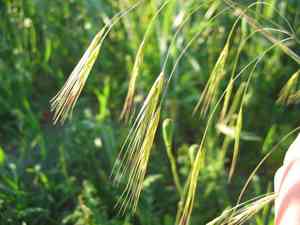
Poverty brome (Bromus sterilis)
Also known as: Barren brome grass
Poverty brome (Bromus sterilis) is a grass species native to Eurasia, now found on multiple continents where it can be invasive. The name "Poverty brome" highlights its poor nutritional value for livestock, making it a last resort for forage. The term "poverty" also hints at its ability to grow in nutrient-deficient soils.
In This Article
Attributes of Poverty brome
Lifespan
Annual
Plant Type
Grass
Plant Height
20 cm to 90 cm
Spread
N/A
Leaf Color
Green
Flower Size
7 cm to 12 cm
Flower Color
White Yellow Green Purple Brown
Images of Poverty brome
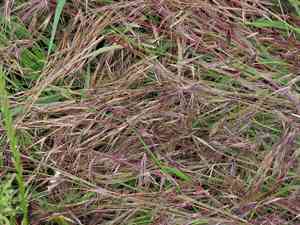
Quickly Identify Poverty brome
1
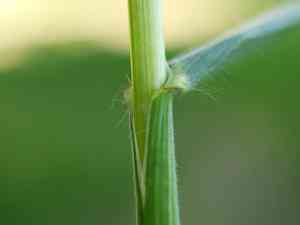
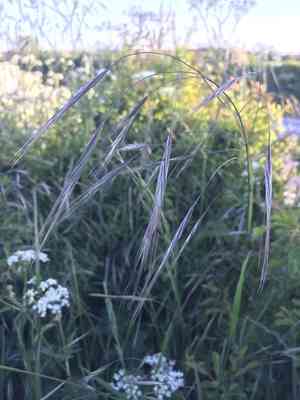
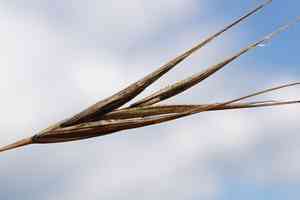
Bromus sterilis can be identified by its loose, nodding panicles with long, slender spikelets and awns. The leaves are flat and rough with a pronounced midrib, and the plant has a distinctive reddish to purple tinge at the base of the stems.
Scientific Classification of Poverty brome
Phylum
Vascular plants
Class
Monocotyledons
Order
Poales
Family
Grass
Genus
Bromes
Species
Poverty brome
Planting and Growing of Poverty brome
Care Difficulty
Easy
Watering Schedule
Every 2 days
Sunlight Requirements
Full sun
Sunshine Duration
4-8 hours
Ideal Temperature
50-70℉
Soil Type
Potting Mix, Peat Mix
Soil pH
6.5-7.5
Fertilizer Type
Balanced
Pruning Season
Spring, Summer
Pruning Area
Branches, Leaves
Pruning Frequency
2 times a year
Repotting Season
Spring
Pot Type
Plastic, Ceramic
 How to Water Poverty brome?
Bromus sterilis prefers its soil to be moderately moist, so watering it with approximately 150 ml each time ensures that there's enough moisture to penetrate the soil without waterlogging it. Aim to water enough until the top few centimeters of soil feel moist but not soggy.
What are the symptoms of an underwatered Poverty brome?
›
What should I do if my Poverty brome is not getting enough water?
›
What are the symptoms of an overwatered Poverty brome?
›
How to save an overwatered Poverty brome?
›
 What Are the Sunlight Requirements for Poverty brome?
Bromus sterilis typically requires full sun exposure, meaning around 6-8 hours of light per day. Good light availability energizes its growth cycle, improving vitality and productivity.
What is the optimal amount of sunlight for Bromus sterilis?
›
How can I ensure Bromus sterilis receives the ideal lighting?
›
What benefits does Bromus sterilis gain from ideal lighting conditions?
›
 What Is the Ideal Temperature Range for Poverty brome?
Bromus sterilis thrives best in temperatures ranging from 50°F to 70°F. These conditions provide the necessary climate for optimal growth, encouraging healthy development and reproduction. It's important to maintain this temperature range to avoid stress and ensure the plant’s robustness.
 What Soil is Best for Poverty brome?
Bromus sterilis thrives in well-drained soil that allows excess water to escape quickly. This condition prevents waterlogged roots, reducing the risk of root rot and ensuring the plant's healthy growth. A nutrient-rich substrate is essential for Bromus sterilis. It provides the necessary minerals and vitamins that support the plant's development and vigor, leading to lush and robust growth. Good aeration in the soil is crucial for Bromus sterilis. It facilitates proper root expansion and enhances microbial activity, which contributes to the plant's overall health and resilience against diseases.
 How to Fertilize Poverty brome?
For Bromus sterilis, it is essential to provide an appropriate amount of nutrients without over-fertilizing. A good rule of thumb is to use half the recommended amount on the fertilizer package. This plant does well with fertilizers low in nitrogen but richer in phosphorous and potassium, which support healthy growth and root development.
 How to Prune Poverty brome?
While working with Bromus sterilis, it's advisable to wear gloves, as contact with the plant can sometimes cause skin irritation. Always wash your hands and any exposed skin after handling to prevent any allergic reactions. Given that Bromus sterilis often grows densely, always check for nesting wildlife such as birds or small mammals before starting your pruning. This ensures you do not disrupt local fauna, maintaining a harmonious garden environment.
 How to Propagate Poverty brome plant?
1
Fill the seed tray with potting soil, leaving a small gap at the top. This ensures the seeds have enough space to grow without being washed away by water.
2
Scatter Bromus sterilis seeds thinly over the prepared soil in the seed tray. Press them gently into the soil surface to ensure good contact.
3
Water the seed tray lightly with a fine mist to avoid displacing the seeds. Ensure the soil remains moist but not waterlogged throughout the germination period.
 How to Repot Poverty brome plant?
1
Bromus sterilis shows signs of needing a repot when you notice roots protruding through the drainage holes or circling the surface of the soil. Another indicator is if the plant experiences stunted growth, suggesting it’s become root-bound. Ideally, repotting should align with its active growing seasons, usually in spring or autumn, when the plant can recover swiftly from the disturbance.
2
Select a pot that's about 2 inches larger in diameter than the current one. This allows sufficient space for the roots to expand without overburdening the plant with excess soil, which could waterlog and cause root rot. Ensure the pot has good drainage holes. The material of the pot can range from terracotta, which breathes well, to plastic, which retains moisture better but needs careful watering.
3
Opt for a loamy, well-draining soil mix that suits Bromus sterilis' preference for not sitting in wet conditions. A mixture that includes perlite or sand can enhance drainage, which keeps the roots healthy by preventing excess moisture retention. Such soil also supports adequate aeration, promoting vigorous root growth and nutrient uptake.


